Advanced ESG in Private Equity
ESG Integration in Private Equity
ESG Beyond the Buzzword
In the world of private equity, investing is about finding promising companies and helping them grow. Traditionally, this meant focusing on financial statements and market trends. But today, savvy investors look at a bigger picture, using a framework called ESG.
ESG stands for Environmental, Social, and Governance. It's a set of criteria used to screen investments based on corporate policies and to encourage companies to act responsibly.
Integrating ESG means weaving these factors into the entire investment process, from the initial decision to buy a company to the day-to-day work of improving its operations. It's not a separate checklist; it's a core part of the strategy. Let's break down the three pillars:
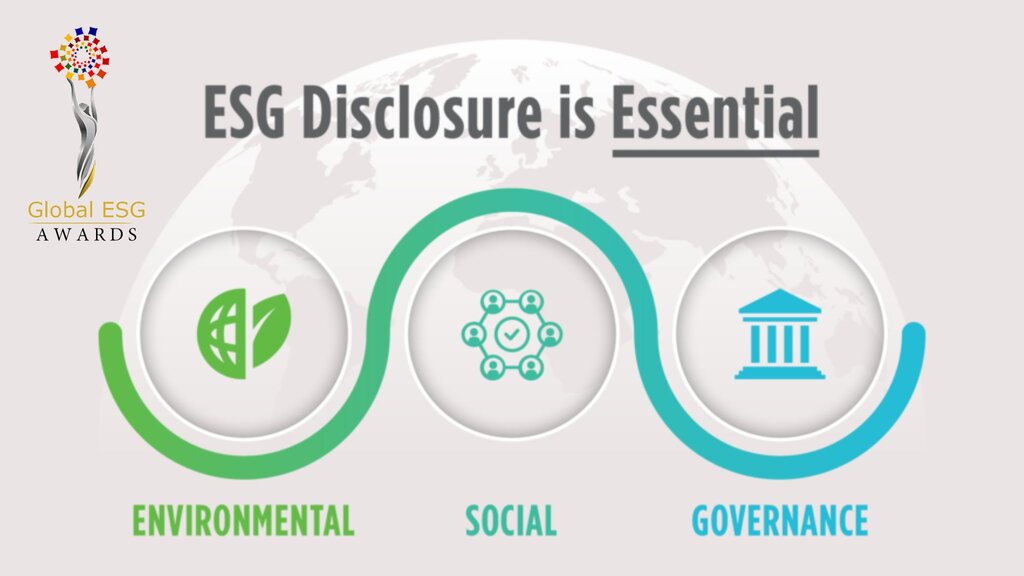
- Environmental: This looks at a company's impact on the planet. It covers everything from energy consumption and waste management to carbon emissions and resource depletion.
- Social: This pillar focuses on how a company manages relationships with its employees, suppliers, customers, and the communities where it operates. Think labor standards, data privacy, and customer satisfaction.
- Governance: This deals with a company's leadership, executive pay, audits, internal controls, and shareholder rights. It’s about how the company is run.
From Risk to Resilience
Why does this matter to a private equity firm focused on financial returns? Because ESG factors are directly tied to risk and opportunity. A company that ignores environmental regulations could face hefty fines. A business with poor labor practices might struggle with high employee turnover and a damaged reputation. These are not just ethical issues; they are financial risks.
ESG criteria can also help investors avoid companies that might pose a greater financial risk due to their environmental or other practices.
By evaluating a company through an ESG lens, investors can spot potential problems that a standard financial analysis might miss. This proactive approach helps build more resilient companies that are better prepared for future challenges, whether it's new climate regulations or shifts in consumer expectations.
| ESG Factor | Potential Risk | Potential Return |
|---|---|---|
| Environmental | Fines for pollution, supply chain disruption from climate events. | Lower costs from energy efficiency, access to green-focused markets. |
| Social | High employee turnover, lawsuits, negative brand image. | Improved productivity, stronger customer loyalty, attracting top talent. |
| Governance | Corruption scandals, shareholder lawsuits, poor strategic decisions. | Increased investor confidence, better long-term planning, operational stability. |
Creating Lasting Value
ESG integration isn't just about dodging risks. It's a powerful tool for creating value. Private equity firms have a unique ability to influence the companies they own. By improving a company's ESG performance, they can make it more efficient, more innovative, and more attractive to future buyers.
For example, helping a manufacturing company reduce its waste not only lowers its environmental impact but also cuts operational costs. Implementing better employee training and safety protocols can lead to a more skilled and motivated workforce, boosting productivity. These improvements make the company fundamentally stronger and more valuable in the long run.
As investors, customers, and regulators pay more attention to ESG, companies with strong sustainability profiles are better positioned for success. For private equity firms, integrating ESG is becoming an essential part of smart, modern investing.
What does ESG stand for in the context of investing?
A private equity firm evaluating a company's policies on labor standards, data privacy, and customer satisfaction is focusing on which pillar of ESG?
By embedding ESG principles into their strategies, private equity firms can mitigate risks, uncover opportunities, and build more resilient, valuable companies for the future.