Advanced Enterprise Network Architecture
Hierarchical Design Principles
Designing for Growth
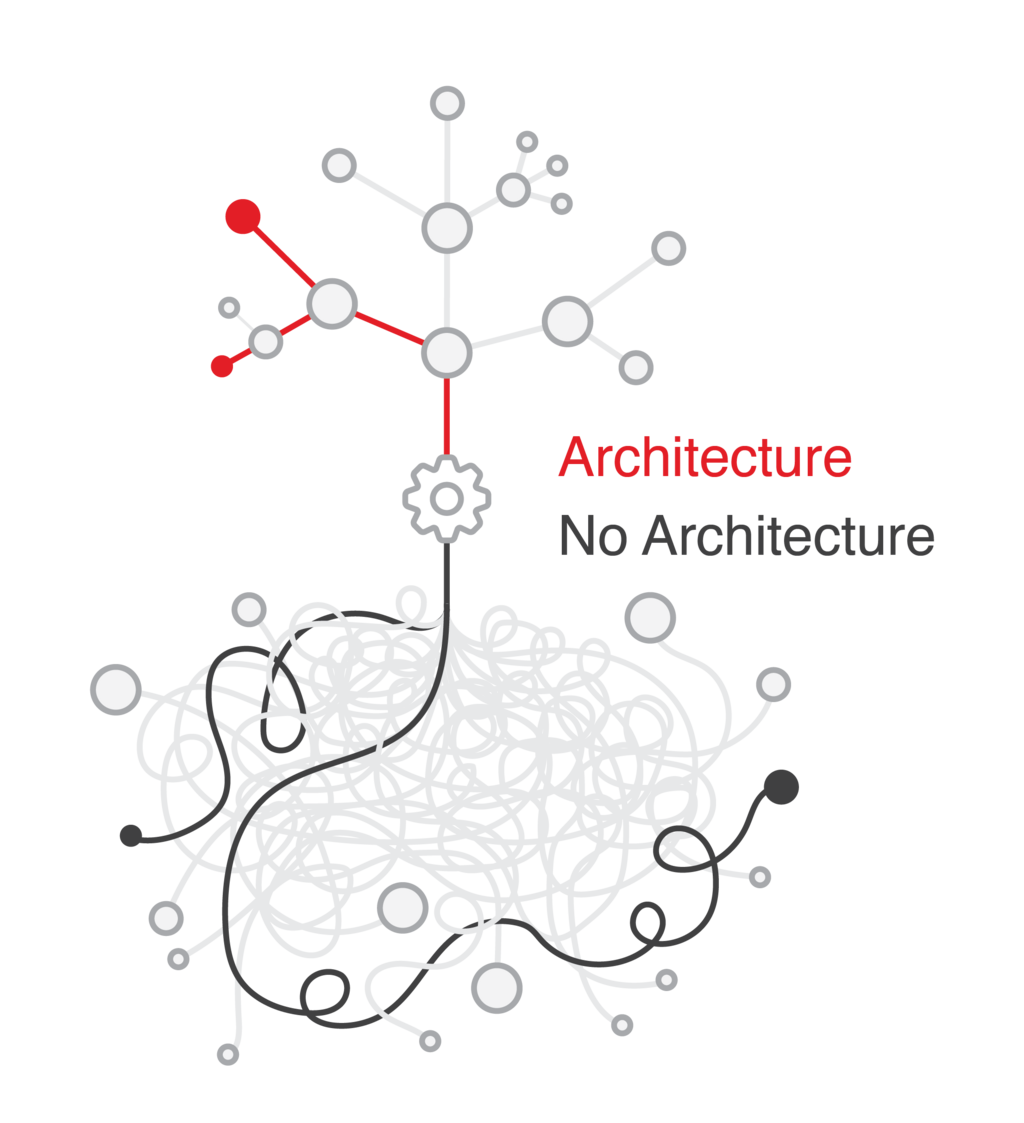
As networks grow from a handful of devices to hundreds or thousands, they can quickly become a tangled mess. Without a clear plan, adding new users, departments, or services leads to a chaotic 'fur-ball' architecture. Troubleshooting becomes a nightmare, and a single device failure can cause widespread outages. To prevent this, network designers use a structured, layered approach.
The goal is to create a network that is scalable, reliable, and easy to manage. The most common and time-tested blueprint for this is the three-tier hierarchical model.
This model divides the network into three distinct layers: Access, Distribution, and Core. Each layer has a specific job, which creates predictable data flows and isolates problems. Let's break down the role of each one.
The Layers Explained
The Access Layer is where end-user devices connect to the network. This includes computers, printers, servers, and IP phones. Access layer switches are the entry point to the network infrastructure. A key feature at this layer is providing Power over Ethernet (PoE), which allows devices like phones and security cameras to receive electricity directly through their network cables, simplifying wiring.
Above the Access Layer is the Distribution Layer. Think of this as the network's middle management. It aggregates the traffic from all the Access layer switches and acts as a communications hub. Its primary job is to enforce policies. This is where you'll find Access Control Lists (ACLs) that filter traffic and provide security. The Distribution layer is also responsible for routing traffic between different (Virtual LANs), allowing, for example, the Sales department's network to talk to the Engineering department's network in a controlled way. It effectively creates boundaries within the network.
At the top of the hierarchy is the Core Layer, the network's high-speed backbone. The core's only job is to switch packets as fast as possible. It connects the Distribution layer switches together and provides a fast path to critical resources like data centers or the internet. There is no complex packet inspection, filtering, or policy enforcement here. The Core layer is all about speed and reliability. It's built with the most powerful and redundant equipment in the network.
When to Collapse the Core
A full three-tier design isn't always necessary. For smaller companies or branch offices, the cost and complexity of a dedicated Core layer can be overkill. In these cases, a Collapsed Core architecture is common.
In this design, the functions of the Core and Distribution layers are combined into a single layer of switches. These switches handle both high-speed switching and policy enforcement. This reduces cost and simplifies the network's physical footprint while still providing more structure than a flat, single-tier network. The trade-off is reduced scalability and resilience compared to a true three-tier model, but it's often the right balance for many organizations.
The key benefit of hierarchical design is creating clear failure domains. If a switch at the Access layer fails, it only affects the users connected to that specific switch. The rest of the network remains operational. This modularity makes troubleshooting much faster and contains the blast radius of any single problem.
Ready to test your understanding of these design principles?
What is the primary function of the Core layer in a three-tier hierarchical network design?
A network administrator needs to implement a policy to prevent the Marketing department's devices from accessing servers in the Engineering department's network segment. At which layer would this policy typically be enforced?