Advanced English Speaking Fluency
Advanced Phonetics
The Mechanics of Sound
You've learned the basic sounds of English. Now, let's refine them. Advanced pronunciation isn't about learning new letters; it's about mastering the physical movements inside your mouth. Think of it like learning an instrument. At first, you just hit the right notes. Later, you learn the subtle techniques that make the music flow.
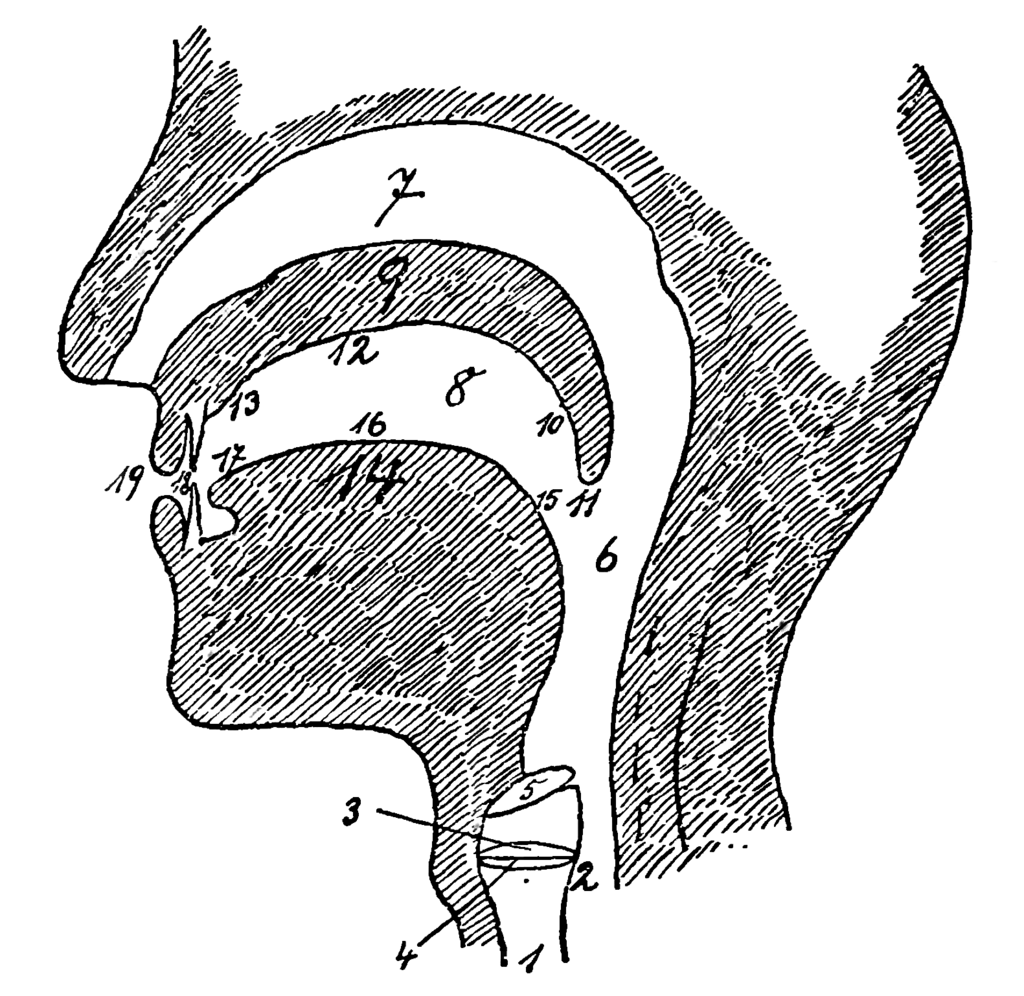
The parts of your mouth and throat that shape sound are called articulators. This includes your lips, teeth, tongue, the roof of your mouth (the palate), and your vocal cords. The slightest change in the position of your tongue or the shape of your lips can completely alter a sound. To sound more native-like, we need to focus on controlling these movements with precision.
The Elusive Schwa
The most common vowel sound in English is one you might not even notice. It’s called the , and its phonetic symbol is /ə/. It's a quick, relaxed, neutral vowel sound. You hear it in the unstressed syllables of many words.
Think of the 'a' in about, the 'e' in taken, the 'i' in pencil, the 'o' in lemon, or the 'u' in supply. In each case, the vowel is reduced to a soft "uh" sound. Making this sound requires minimal effort. Your jaw is relaxed, and your tongue rests in the middle of your mouth. Mastering the schwa is crucial for achieving the natural rhythm and flow of spoken English.
Pronouncing the schwa sound correctly is the real secret of making your pronunciation sound more accurate and natural.
The Power of a Puff
Have you ever noticed the small puff of air that follows some sounds? This is called and it's a key feature of the voiceless plosives /p/, /t/, and /k/ in English. However, it only happens when they appear at the beginning of a stressed syllable. When they follow an /s/ or are at the end of a word, the puff of air disappears.
Hold your hand in front of your mouth and say the word "pin." You should feel a distinct puff of air on the 'p'. Now say "spin." The puff is gone. The 'p' in "spin" is unaspirated. This same rule applies to 't' in "top" versus "stop," and 'k' in "kin" versus "skin."
Taming the 'Th' Sounds
The "th" sounds, known as dental fricatives, are notoriously tricky. There are two of them: the voiceless /θ/ in "thin" and "thought," and the voiced /ð/ in "this" and "they." The only difference between them is whether you use your vocal cords.
For both sounds, the mechanics are the same. Gently place the tip of your tongue between your upper and lower front teeth. Don't bite down hard. Then, push air through the small gap. For /θ/, you only push air. For /ð/, you do the same thing but also hum, activating your vocal cords. You should feel a vibration in your throat.
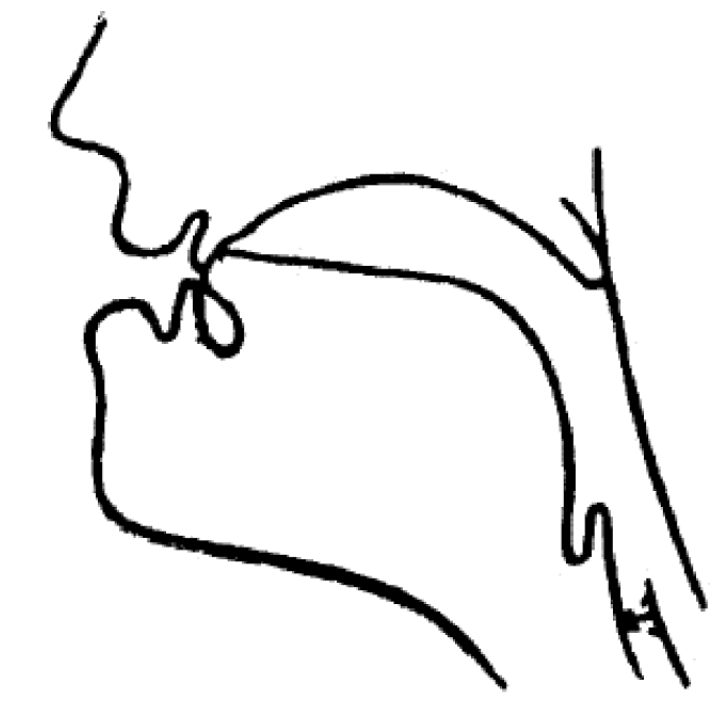
A common mistake is substituting /t/ and /d/ or /s/ and /z/. Saying "dis" instead of "this" happens because the tongue touches the ridge behind the teeth instead of resting between them. Practice in front of a mirror to ensure your tongue is in the right place.
Ready to test your knowledge? Let's see how well you've grasped these advanced phonetic concepts.
What are the parts of your mouth and throat that shape sound, such as the lips, teeth, and tongue, called?
The schwa sound (/ə/) is most likely to be found in which part of a word?
By focusing on these physical details—the relaxed schwa, the puff of aspiration, and the precise tongue placement for 'th'—you can move beyond just being understood and start sounding truly natural in English.