Advanced English Language Proficiency
Mastering Narrative Tenses
Setting the Scene in Your Stories
Telling a good story is not just about listing events in order. It's about painting a picture and creating a mood. To move from simple reporting to compelling narrative, you need to control time. This means setting a background scene and then placing specific, completed actions within it. The Past Continuous and the Past Perfect Continuous are your tools for this.
Use the Past Continuous to describe an action in progress at a specific moment in the past. It creates atmosphere.
When I walked into the office, the phone was ringing, and two colleagues were arguing loudly near the coffee machine.
Here, the ringing and arguing create the 'background noise' of the scene. The main event is 'I walked into the office'.
The Past Perfect Continuous takes this a step further. It describes a longer, continuous action that was happening before another past event. It explains the context or the 'why' behind the main event.
When I walked into the office, my boss looked exhausted. He had been working on the report all night.
The boss's exhaustion is the result of the all-night work session. The Past Perfect Continuous provides the backstory for his state.
Use Past Continuous for atmosphere at a point in time. Use Past Perfect Continuous for the background leading up to that point in time.
Sequencing Key Events
Once you've set your scene, you need to narrate the key actions that drive the story forward. This is where the Past Perfect Simple comes in. You already know the Past Simple describes completed actions in the past. The Past Perfect Simple (had + past participle) is used to clarify that one past event happened before another past event.
Imagine you're telling a story about a surprise party. A simple recount might be: Sara arrived. We shouted 'Surprise!'. She was shocked. We had hidden behind the sofa.
This is a bit clunky. The last sentence feels out of place. Using the Past Perfect Simple creates a much smoother sequence.
Sara was shocked when she arrived and we shouted 'Surprise!'. We had hidden behind the sofa just moments before she opened the door.
This structure shows the 'hiding' happened before the 'arriving' and 'shouting'. It allows you to manipulate the order of events in your telling without confusing the listener. You are no longer trapped by chronology.
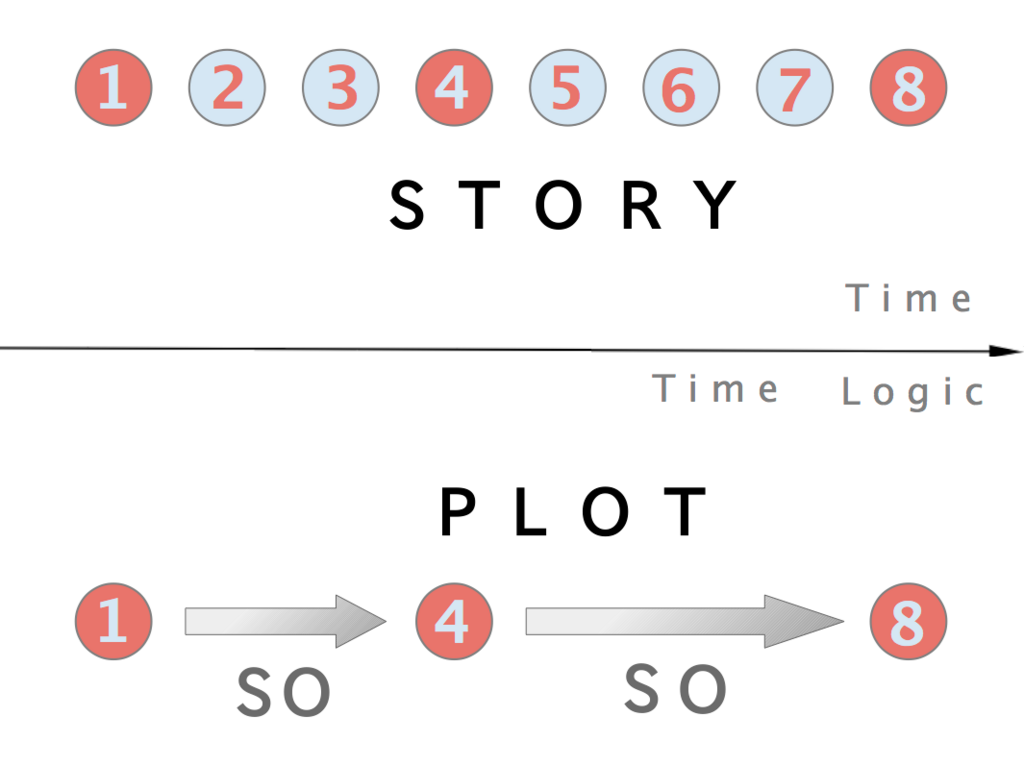
By combining these tenses, you can build a layered narrative. You are not just listing facts; you are creating a scene, providing backstory, and highlighting the most important moments. It's the difference between a simple list of events and a true story.
Recalling Past Habits
When talking about repeated actions or states in the past, both 'used to' and 'would' are common. However, they are not always interchangeable. Understanding their subtle differences adds a layer of sophistication to your speech.
'Used to' is the most versatile. It can describe both past actions and past states that are no longer true.
- I used to live in Manchester. (A state)
- We used to go to the park every Saturday. (A repeated action)
'Would' is more specific and often more evocative. It is only used for repeated past actions, not states. You cannot say, "I would live in Manchester." It often carries a sense of nostalgia, painting a fond picture of the past.
- On Saturdays, we would go to the park. My dad would buy us ice cream, and we would play on the swings until it got dark.
Notice how 'would' creates a story-like feeling. It's less of a dry fact and more of a fond memory.
| Feature | used to | would |
|---|---|---|
| Usage | Past actions & states | Past actions only |
| Example (Action) | We used to walk to school. | We would walk to school. |
| Example (State) | I used to have long hair. | (Not possible) |
| Feeling | Factual, neutral | Often nostalgic, reminiscent |
A good rule of thumb is to establish the context with 'used to' before continuing with 'would' to add descriptive details.
When I was a child, we used to visit my grandparents every summer. We would spend all day helping in their garden, and my grandmother would tell us stories about her childhood.
Using these narrative structures correctly will transform your speaking and writing. You'll be able to tell more engaging, complex, and human stories, which is a key part of communicating at an advanced level.
Which sentence correctly uses tenses to describe a background scene and a specific action that happened within it?
Complete the sentence: Her eyes were red because she ______ about the sad news.