Advanced Emotional Intelligence Mastery
Emotional Neurobiology
The Brain’s Emotional Tug-of-War
Your brain houses a constant negotiation between two key players: the ancient, instinct-driven limbic system and the modern, rational prefrontal cortex. At the heart of the limbic system is the amygdala, a pair of almond-shaped structures that act as your brain's smoke detector. It's constantly scanning for threats. When it perceives danger, real or imagined, it can trigger a rapid, overwhelming emotional response before your rational brain has a chance to weigh in. This is the infamous amygdala hijack .
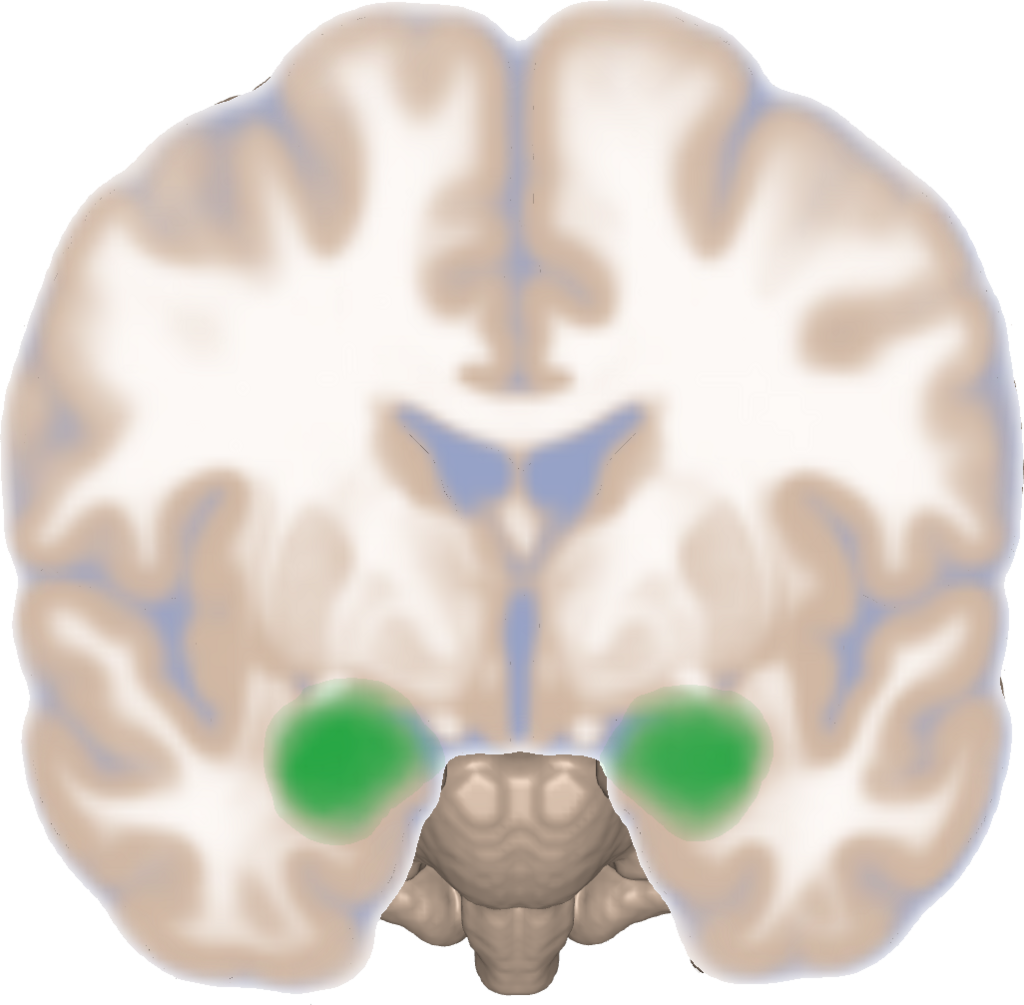
Meanwhile, your (PFC), located at the very front of your brain, is the executive suite. It's in charge of planning, reasoning, and impulse control. In an ideal world, the PFC receives information from the amygdala and makes a calm, calculated decision. But during an amygdala hijack, the signal is so strong that it bypasses the PFC, triggering an immediate fight-or-flight reaction. Think of it like a fire alarm that automatically deploys the sprinklers, locks the doors, and calls the fire brigade before the building manager can check if someone just burnt toast in the breakroom.
The Stress Chemical Cascade
When the amygdala sounds the alarm, it doesn't just act alone. It kicks off a hormonal chain reaction known as the HPA axis — the hypothalamic-pituitary-adrenal axis. Here’s the sequence:
- Hypothalamus: The command centre, it releases a hormone to alert the pituitary gland.
- Pituitary Gland: This gland then sends its own hormonal signal down to the adrenal glands.
- Adrenal Glands: Located on top of your kidneys, they pump out cortisol, the body’s primary stress hormone.
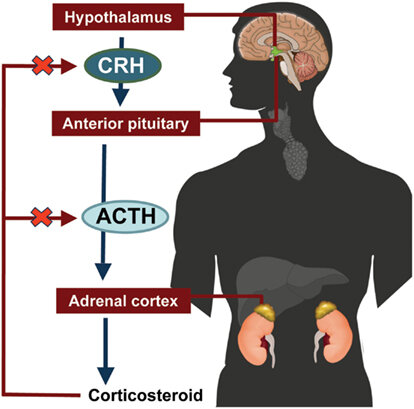
Cortisol floods your system, preparing you to face a threat by increasing your heart rate, raising blood sugar, and diverting energy away from non-essential functions like digestion. While useful for short-term crises, chronic stress keeps cortisol levels high. This prolonged exposure can actually impair the function of the prefrontal cortex, making it harder to calm down and think clearly. It also strengthens the neural pathways to the amygdala, making the brain even more sensitive to future stressors. It’s a feedback loop that can prime you for anxiety and reactivity.
Rewiring Your Emotional Responses
The brain isn't fixed hardware. It’s a dynamic, living system that continuously adapts based on our experiences. This remarkable ability is called neuroplasticity . Every time you successfully manage an emotional impulse, you are physically strengthening the neural connections between your prefrontal cortex and your amygdala. You're building a neurological 'off-ramp' from the emotional superhighway.
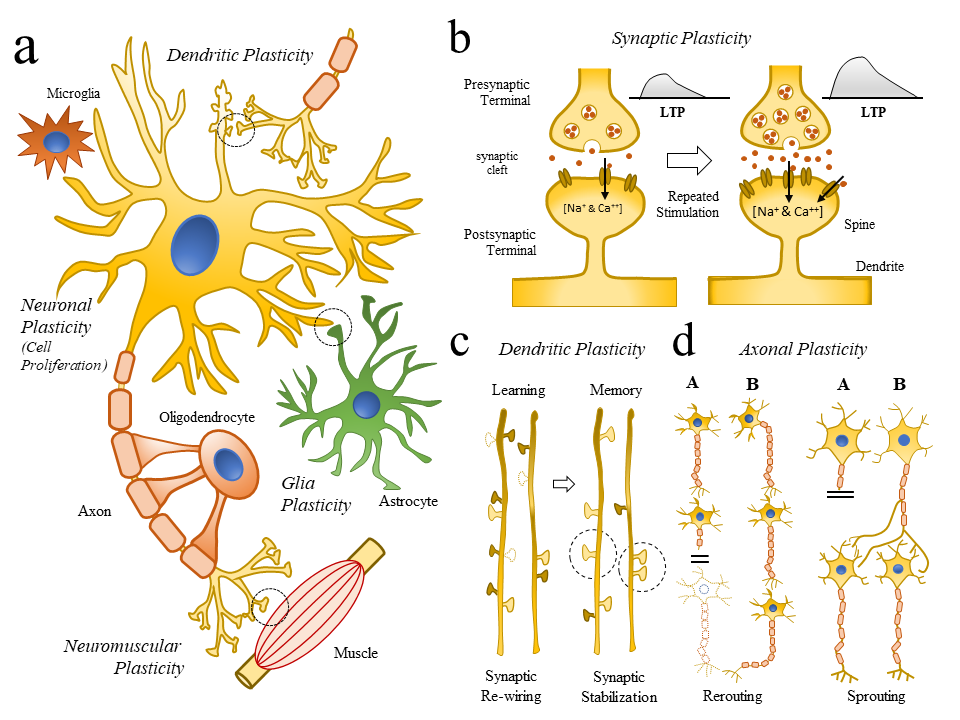
High-level regulation strategies are essentially targeted exercises in neuroplasticity. Practices like cognitive reappraisal, where you reframe a stressful situation, actively engage the PFC, teaching it to modulate the amygdala’s alarmist tendencies. Over time, the rational brain becomes faster and more effective at intervening, reducing the frequency and intensity of emotional hijacks.
By intentionally engaging our prefrontal cortex, we can train it to become a more effective manager of our emotional responses.
Another powerful tool for regulation is the vagus nerve, the longest cranial nerve in your body. It acts as a superhighway of information between your brain and your internal organs, particularly your gut and heart. When you practice physiological grounding techniques like deep, slow breathing, you are directly stimulating the vagus nerve. This sends a signal of safety and calm back to the brain, deactivating the stress response. It’s a direct biological hack to tell your amygdala that the threat has passed and it’s safe to stand down. This mind-body connection is not just a metaphor; it's a tangible neural pathway you can leverage to master your emotional state.
What is an "amygdala hijack"?
In the HPA axis stress response, the hypothalamus signals the pituitary gland, which in turn signals the ______ to release cortisol.