Advanced Electric Vehicle Engineering and Infrastructure
Battery Chemistry Trade-offs
The Electrolyte Dilemma
At the heart of every battery is an electrolyte, the medium that allows charged ions to flow between the negative anode and the positive cathode. In the dominant Lithium-ion (Li-ion) batteries that power most electric vehicles today, this electrolyte is a liquid. It's a proven, effective, and relatively inexpensive solution that has served us well.
However, this liquid has a significant drawback: it's flammable. If a battery is damaged or overheats, this liquid can lead to a dangerous chain reaction called thermal runaway where the cell rapidly heats up, potentially causing a fire. This safety concern is a major driver behind the search for a better alternative.
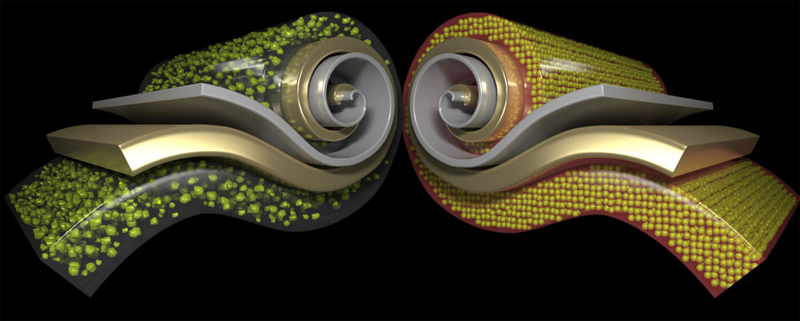
Most lithium-ion electrolytes are a mix of flammable lithium salts and toxic liquids, which means that “in today’s lithium-ion chemistry you have a recipe for disaster,” says Jeff Maranchi, the materials science program manager at APL.
Enter solid-state batteries (SSBs). As the name suggests, they replace the liquid electrolyte with a solid material, often a ceramic or polymer. This simple change has massive implications. By eliminating the flammable liquid, SSBs are inherently safer. But the benefits don't stop there. This solid structure unlocks the potential for new, more powerful battery designs.
Energy Density and the Anode
Energy density is the measure of how much energy a battery can store for its size or weight. It's measured in watt-hours per kilogram (Wh/kg) for weight or watt-hours per liter (Wh/L) for volume. A higher energy density means a longer driving range without making the battery pack bigger or heavier.
Current Li-ion batteries typically have an energy density of around 250-300 Wh/kg. Solid-state batteries, however, promise to push that to 500 Wh/kg or even higher. Much of this potential leap comes from changing the anode material.
Most Li-ion batteries use graphite for the anode. It’s stable and reliable. Some newer designs use silicon-carbon composites, which can hold more lithium ions but tend to swell and crack over time. The ultimate goal, however, is to use pure lithium metal. A lithium-metal anode offers the highest possible energy density.
The problem is that in a liquid electrolyte, lithium metal anodes form needle-like structures called as the battery charges and discharges. These dendrites can grow across the electrolyte, pierce the separator, and cause a short circuit, leading to battery failure or fire. A solid electrolyte acts as a physical barrier, preventing dendrite growth and making the use of powerful lithium-metal anodes a real possibility.
The Li-ion Family
Even within the world of traditional Li-ion batteries, not all chemistries are created equal. Automakers choose specific types based on a trade-off between performance, cost, and longevity. Three of the most common cathode chemistries are LFP, NMC, and NCA.
| Chemistry | Key Metals | Cost | Energy Density | Safety | Lifespan (Cycles) |
|---|---|---|---|---|---|
| LFP (Lithium Iron Phosphate) | Iron, Phosphate | Low | Lower | Excellent | 3000+ |
| NMC (Nickel Manganese Cobalt) | Nickel, Manganese, Cobalt | Medium | High | Good | 1000-2000 |
| NCA (Nickel Cobalt Aluminum) | Nickel, Cobalt, Aluminum | High | Very High | Fair | ~1000 |
LFP batteries don't use expensive and controversial cobalt, making them cheaper and more ethical. They are also incredibly stable and long-lasting. Their lower energy density means they provide less range for the same weight, so they are often used in standard-range, more affordable EVs.
NMC and NCA batteries pack more energy into the same space, making them ideal for long-range and high-performance vehicles. However, they rely on cobalt and nickel, driving up costs and environmental concerns. They also have a shorter lifespan and a slightly lower safety threshold than LFP. This is the core trade-off automakers face: cost and stability versus range and power.
What is the primary safety concern associated with the liquid electrolyte used in most current Lithium-ion batteries?
A solid electrolyte enables the use of a pure lithium-metal anode primarily by acting as a physical barrier to prevent the growth of what structures?
The world of battery technology is one of constant innovation, balancing the practical needs of today with the incredible promise of tomorrow.