Advanced DISC Theory Applications
Advanced DISC Applications
Putting DISC to Work
Understanding your own DISC style and recognizing it in others is just the start. The real power of this framework comes from applying it to broader organizational challenges. When you can see the behavioral patterns across an entire team or company, you can start making strategic decisions about how to structure work, develop talent, and navigate change.
Think of it as moving from individual portraits to a group photograph. By analyzing the mix of Dominance, Influence, Steadiness, and Conscientiousness in a department, you can spot collective strengths and hidden weaknesses. A team dominated by 'D' and 'C' styles might be fantastic at executing precise tasks, but they could struggle to adapt or innovate. Recognizing this allows a leader to consciously build a more balanced team or adjust processes to encourage creative thinking.
The true value of DISC for team building lies in how well it performs in regular team interactions and procedures.
Navigating Change and Growth
Change is a constant in any organization, but it affects each DISC style differently. A new company-wide policy might excite a 'D' type who sees it as a path to better results, while creating anxiety for an 'S' type who values stability. Using DISC allows leaders to anticipate these reactions and tailor their communication.
This same principle applies to training. Instead of a one-size-fits-all program, development can be personalized. A high 'i' manager might benefit from training that strengthens their organizational and analytical skills. A high 'C' employee moving into a leadership role might need coaching on how to delegate and make decisions with incomplete information. This tailored approach makes training more effective and respects individual working styles.
When onboarding a high 'S' employee, provide a structured plan and a dedicated mentor. For a high 'D' new hire, give them a clear goal and the autonomy to achieve it.
Leading in a Modern Workplace
The workplace is more complex than ever, with remote teams and global collaboration becoming standard. DISC provides a valuable framework for navigating these challenges.
In a virtual setting, the natural tendencies of each style can be amplified. 'D' types might seem abrupt in chat messages, while 'S' types may hesitate to speak up in video calls. A leader who understands DISC can proactively structure communication to include everyone. They might implement regular one-on-one check-ins for 'S' types or use shared documents to give 'C' types the space to process information before a meeting.
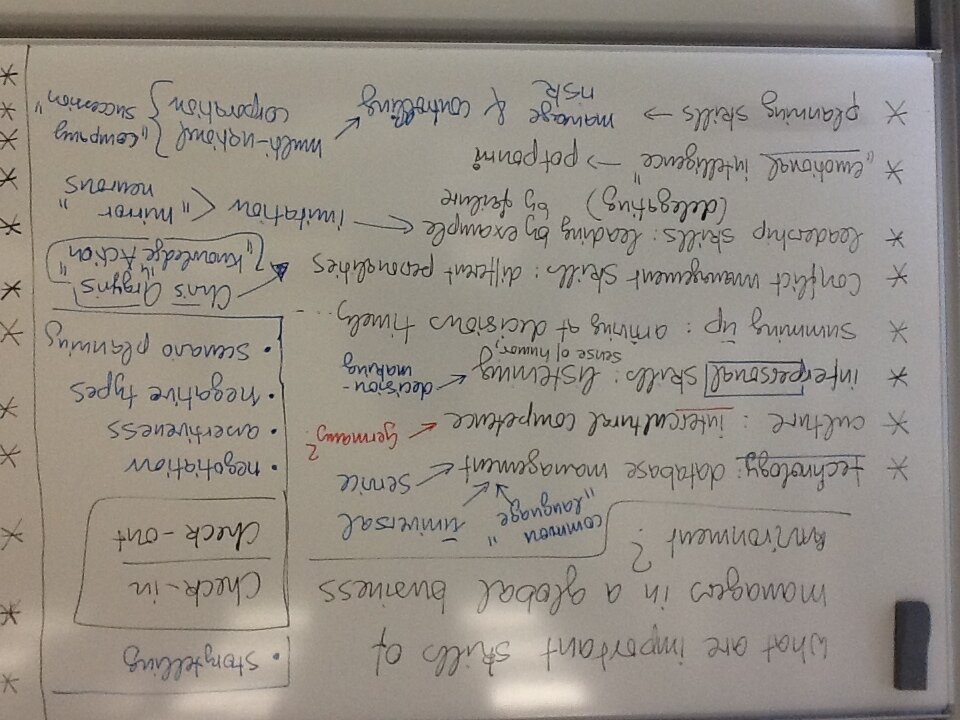
Cross-cultural communication adds another layer of complexity. While DISC describes individual behaviors, not cultural stereotypes, it can offer a neutral language to discuss differences in work styles. A team member from a culture that values consensus (often associated with 'S' tendencies) might clash with a direct, results-focused colleague (a 'D' tendency). Using DISC helps frame the conversation around observable behaviors rather than cultural judgments, making it easier to find a productive middle ground.