Advanced Dimensions of Psychological Science
Advanced Neurobiological Frameworks
Beyond Chemical Imbalance
For decades, the story of depression was simple: a chemical imbalance, usually a lack of serotonin. While influential, this model is now seen as incomplete. The modern understanding, often called the Neuroplasticity Framework, reframes Major Depressive Disorder (MDD) not as a simple deficit, but as a problem of impaired adaptation and connectivity within the brain.
Neuroplasticity is the brain's ability to reorganize itself by forming new neural connections. It’s how we learn, form memories, and recover from injury. In a healthy brain, this process is dynamic. Synapses—the connections between neurons—strengthen and weaken in response to experience, allowing us to adapt. The Neuroplasticity Framework proposes that in MDD, this process stalls. Instead of being flexible, key brain circuits become rigid, locked into negative patterns of thought and emotion.
Depression isn't a lack of a chemical, but a loss of the brain's ability to adapt and rewire itself.
Stuck Circuits and Brain Networks
To understand this stalled plasticity, we need to look at large-scale brain networks. Think of these not as individual structures, but as interconnected hubs that communicate to perform complex tasks. In MDD, the communication within and between these networks breaks down. We can observe these changes using techniques that measure functional connectivity—how the activity of different brain regions correlates over time.
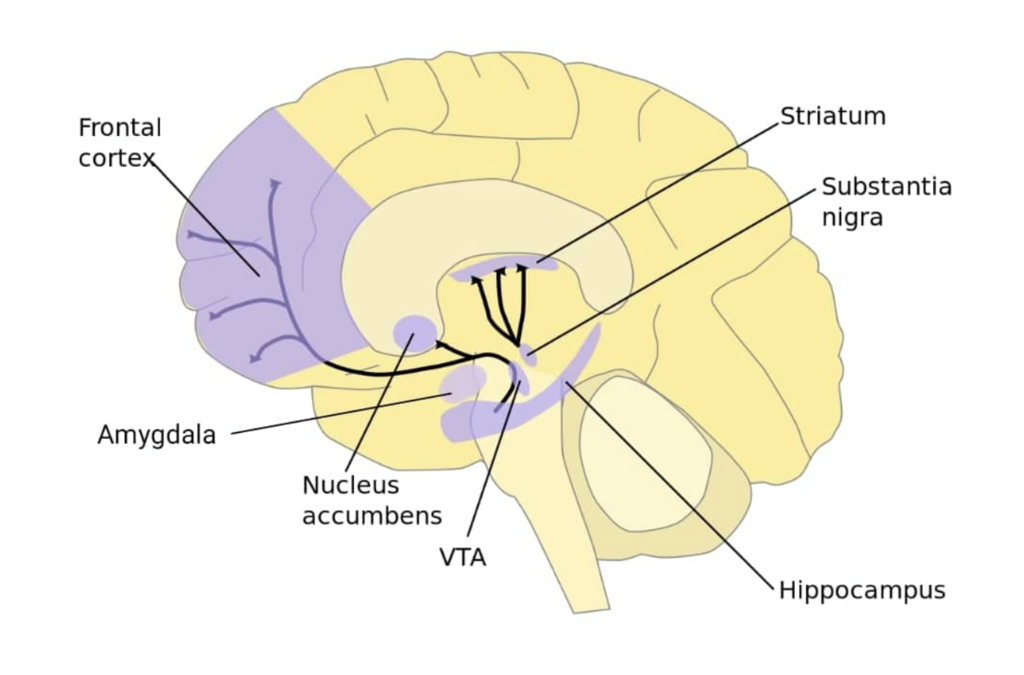
A key circuit implicated in depression involves the prefrontal cortex (PFC), the amygdala, and the hippocampus.
- Prefrontal Cortex (PFC): The brain's executive control center, responsible for planning and regulating emotions.
- Amygdala: The emotional alarm system, processing fear and threat.
- Hippocampus: Crucial for memory formation and contextualizing emotions.
In a healthy state, the PFC exerts top-down control, calming the amygdala's alarm signals. In depression, this connection weakens. The amygdala becomes hyperactive, while PFC activity decreases. This results in a brain stuck in a threat-response loop, where negative emotions are amplified and difficult to regulate. The hippocampus, under the chronic stress of this state, can even shrink, impairing its ability to form new memories and regulate the stress response.
The Gut-Brain Connection
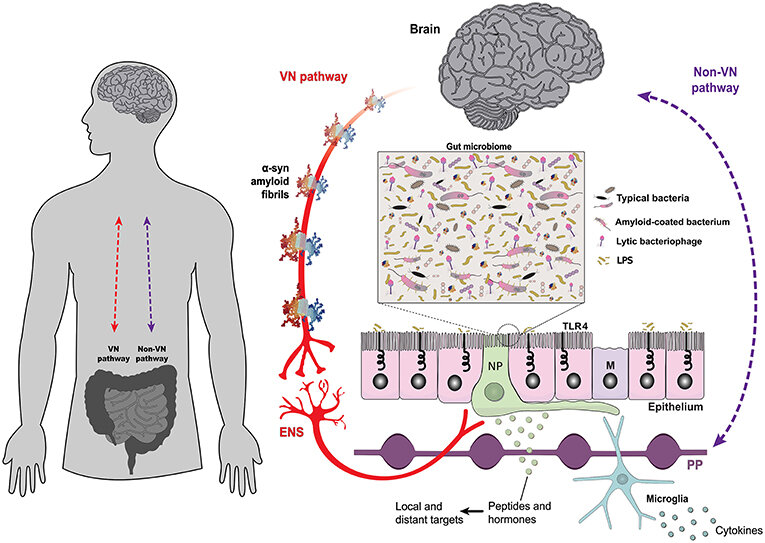
The brain isn't an isolated organ. It's in constant communication with the rest of the body, especially the gut. The microbiota-gut-brain axis refers to the two-way signaling network between the central nervous system and the trillions of microbes living in our intestines. This connection is profoundly changing our understanding of mental health.
Your gut bacteria produce hundreds of neuroactive substances, including neurotransmitters like serotonin and dopamine. They also play a crucial role in regulating the immune system. When the gut microbiome is out of balance—a state called dysbiosis—it can lead to a low-grade, body-wide inflammation. This neuro-inflammation disrupts brain function by interfering with neuroplasticity and altering neurotransmitter production. Inflammatory molecules can cross the blood-brain barrier, directly impacting the neural circuits we've discussed and contributing to depressive symptoms.
New Biomarkers for Depression
This new understanding of depression is paving the way for biological markers, or biomarkers, that could help diagnose and treat the condition more effectively. Two key areas of research are the kynurenine pathway and mitochondrial function.
The is a metabolic route that gets activated by stress and inflammation. It can break down the amino acid tryptophan into two different end products: one is neuroprotective (kynurenic acid), while the other is neurotoxic (quinolonic acid). In many people with depression, especially during adolescence, this pathway is biased toward producing the neurotoxic compound, which damages neurons and inhibits neuroplasticity. Measuring the ratio of these compounds could one day become a diagnostic test, identifying a specific "inflammatory biotype" of depression that might respond best to anti-inflammatory treatments.
Finally, we have mitochondrial function. Mitochondria are the powerhouses of our cells, and neurons are incredibly energy-hungry. Chronic stress drains their energy reserves. Impaired mitochondrial function means less energy for essential processes like maintaining synapses and creating new connections. This energy deficit can be a root cause of the fatigue, cognitive fog, and stalled plasticity seen in MDD. Improving mitochondrial health through lifestyle changes or targeted therapies is emerging as a critical component of building stress resilience.
Time to check your understanding of these advanced frameworks.
According to the Neuroplasticity Framework, what is the primary problem in Major Depressive Disorder (MDD)?
In depression, the connection between the prefrontal cortex (PFC) and the amygdala often weakens. What is the typical result of this change?
By moving beyond a simple chemical model, these frameworks offer a more holistic and accurate picture of depression. They highlight how genetics, environment, immunity, and metabolism all converge on the brain's remarkable capacity for change.