Advanced Digital Marketing Strategy
Integrated Strategy Frameworks
Beyond Silos: Building a Unified Strategy
Effective digital marketing is no longer about mastering a single channel. A great SEO strategy alone won't build a lasting brand, and a viral social media campaign won't sustain a business without a system to capture that interest. The real goal is to create a unified engine where every channel works in concert. This integrated approach ensures your efforts aren't just a series of isolated tactics, but a cohesive strategy that guides customers from awareness to loyalty.
An integrated channel plan functions as the operational blueprint that orchestrates content marketing, organic search, and paid media into a cohesive system.
To achieve this, marketers rely on frameworks that structure their thinking and planning. These models provide a map for navigating the complex, non-linear paths customers take today. Instead of a straight line, the modern customer journey is more like a web, bouncing between search engines, social feeds, email newsletters, and review sites. A solid framework helps you create a consistent brand experience across this web while still tailoring your message to fit the unique format of each platform.
Frameworks for Growth and Integration
Two types of frameworks are essential for building an integrated strategy: those that map the customer's psychological journey and those that organize your marketing channels. For the customer journey, models like AIDAR and AARRR provide a structured way to think about growth.
The AIDAR model breaks the customer journey into five stages:
- Awareness: The prospect becomes aware of your brand or solution.
- Interest: They develop an interest in your product or service.
- Desire: You nurture that interest into a desire for what you offer.
- Action: The prospect takes a key step, like making a purchase or signing up.
- Retention: You work to keep the customer happy and turn them into a repeat buyer.
This classic framework is excellent for focusing on the marketing and sales process from a customer's emotional and psychological perspective.
A more product-focused alternative is the , often called 'Pirate Metrics'. It's especially popular with startups and software-as-a-service (SaaS) businesses because it centers on user behavior.
- Acquisition: How do users find you?
- Activation: Do they have a great first experience?
- Retention: Do they come back?
- Referral: Do they tell others?
- Revenue: How do you make money?
While AIDAR focuses on the pre-purchase journey, AARRR is more concerned with what happens after a user signs up, making it ideal for businesses driven by user engagement and growth loops.
With a journey framework in place, you need a way to organize your channels. This is where the PESO model comes in. It categorizes your marketing activities into four media types: Paid, Earned, Shared, and Owned.
The power of PESO isn't in just using each category, but in making them work together.
- Paid Media: This is advertising. You pay to get your message in front of an audience, whether through search engine ads, social media ads, or sponsored content.
- Earned Media: This is what others say about you. Think press coverage, media mentions, or positive reviews. You don't pay for it directly; you earn it through public relations and a good reputation.
- Shared Media: This is user-generated content and social media engagement. It's the conversation happening around your brand on platforms like Instagram, Twitter, and TikTok.
- Owned Media: This is any channel you control. Your website, blog, and email newsletter are prime examples. You set the rules and own the platform.
An integrated strategy might use a Paid ad to boost a blog post (Owned), which encourages readers to post about it (Shared), eventually leading a journalist to write an article about the topic (Earned). This synergy turns four separate channels into a powerful growth engine.
Adapting Your Strategy
Your strategy must also adapt to your audience and business model. A often looks very different from a B2C one. B2B (business-to-business) sales cycles are typically longer, involve more decision-makers, and rely heavily on building trust and authority. Here, channels like LinkedIn, detailed white papers (Owned), and industry webinars (Owned, often promoted with Paid) are critical. The focus is on lead generation and nurturing relationships over a longer period.
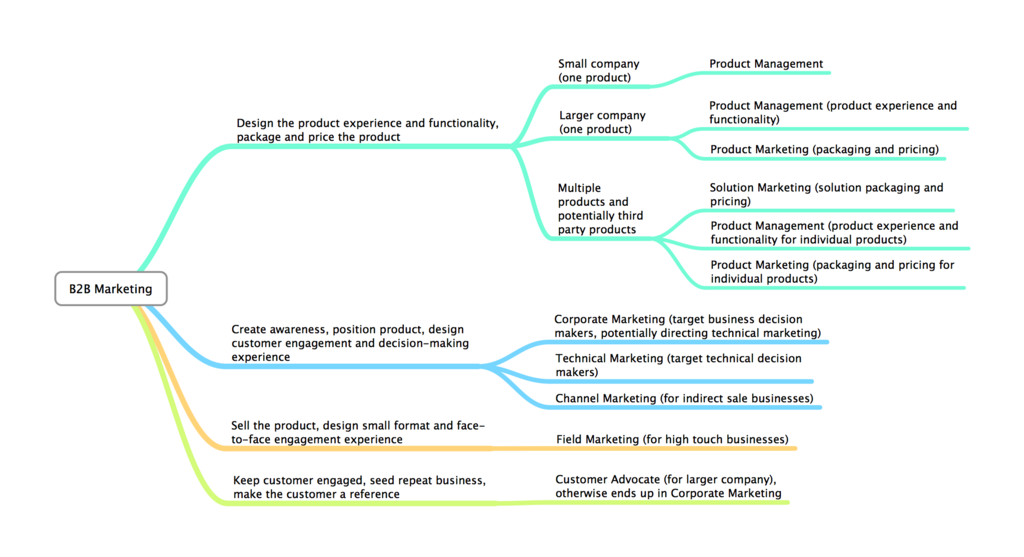
In contrast, B2C (business-to-consumer) strategies often prioritize broader reach and a more direct path to purchase. The goal is to capture attention and drive action quickly. Visually-driven platforms like Instagram and TikTok (Shared), email marketing with promotions (Owned), and influencer collaborations (a blend of Paid and Shared) are common. While brand consistency is always important, B2C content often needs to feel more native to each platform, embracing trends and informal communication styles to connect with consumers on a personal level.
The key is to maintain a consistent brand identity (logo, colors, voice) while adapting the content format and tone to feel natural on each platform. A professional case study on your website shouldn't look the same as a 15-second video on TikTok, but both should clearly come from the same brand.
Ultimately, these frameworks aren't rigid rules but flexible guides. By combining a customer journey model like AIDAR with a channel integration model like PESO, you can move from executing isolated tasks to orchestrating a sophisticated, multi-channel strategy that drives measurable growth.
What is the primary goal of creating an integrated digital marketing strategy?
A startup focused on a mobile app wants to analyze its user lifecycle, including how users find the app, their first experience, and whether they recommend it to friends. Which framework is best suited for this purpose?