Advanced Data Protection Strategies
Data Protection Fundamentals
What is Data Protection?
Data protection is the practice of safeguarding important information from corruption, compromise, or loss. Think of it like a digital version of a bank vault. Just as a bank protects money and valuable items, data protection secures your information.
The need for this protection grows every day as more of our lives move online. The information being protected is often “personal data,” which is any information that can be used to identify a specific person. This includes your name, email address, financial information, and even your location.
Protecting this data isn't just a technical challenge; it's about respecting individual privacy and maintaining trust. When organizations handle personal data responsibly, they build confidence with their users.
The Core Principles
To protect data effectively, experts rely on three foundational principles. Together, they form what is known as the CIA triad: Confidentiality, Integrity, and Availability. Every security measure is designed to uphold at least one of these principles.
Confidentiality ensures that data is kept private and secret. Only authorized individuals should be able to access it. Think of it as a sealed letter. Only the intended recipient has the right to open it and read the contents.
Integrity is about maintaining the accuracy and trustworthiness of data. The information must not be altered or tampered with by unauthorized people. This is like the safety seal on a bottle of medicine. If the seal is broken, you can't trust that the contents are safe.
Availability means that data should be accessible to authorized users when they need it. It’s no good having perfectly secure data if you can’t get to it. This is like a library being open during its stated hours, ensuring people can access the books they need.
Laws and Regulations
Because data protection is so critical, governments around the world have created laws to enforce these principles. The most well-known of these is the General Data Protection Regulation (GDPR) in the European Union.
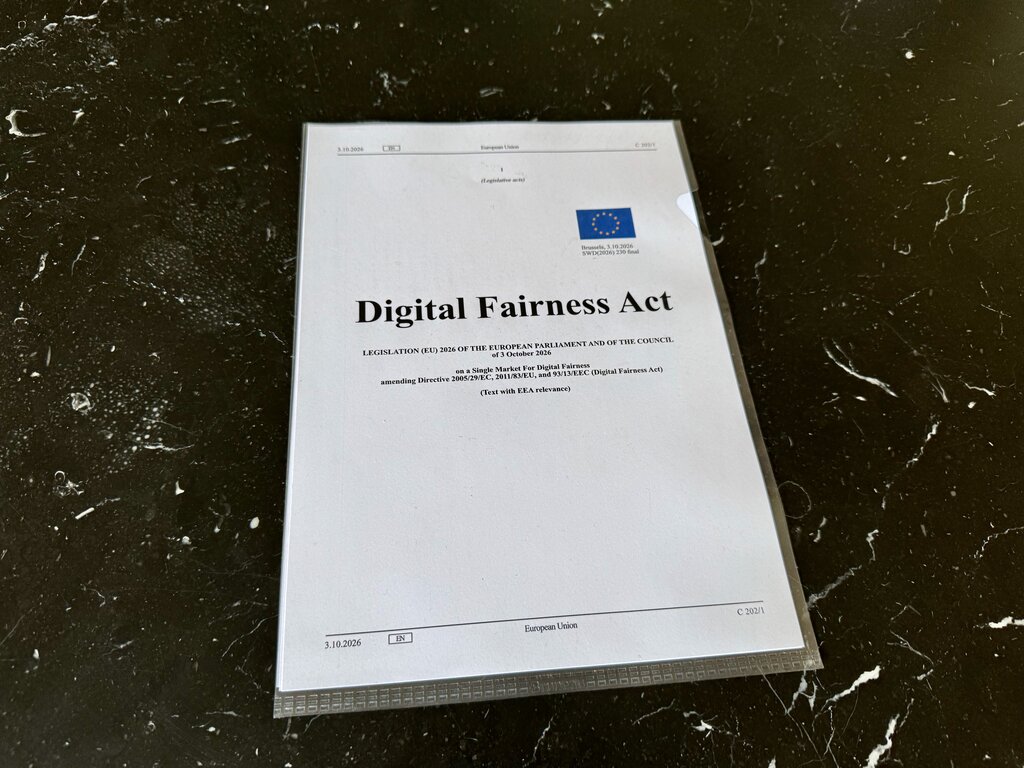
The GDPR gives individuals fundamental rights over their personal data. It requires organizations to be transparent about how they collect, use, and store information. It also mandates that they implement strong security measures to protect that data.
For example, one of the core tenets of the GDPR is that data processing must be lawful, fair, and transparent. Organizations can't just collect data for any reason; they must have a legitimate basis for it and be open about their practices.
With clear principles such as lawfulness, fairness, transparency, data minimization, accuracy, and accountability, the General Data Protection Regulation requires organizations to handle personal data responsibly.
While the GDPR is a European law, its influence is global. Many other countries and regions have adopted similar data protection laws, making these principles a worldwide standard. Understanding these fundamentals is the first step toward building secure and trustworthy systems.
Now, let's test your knowledge of these core concepts.
What are the three foundational principles of data protection known as the CIA triad?
An online bank ensures that its customers' account balances cannot be secretly changed by unauthorized individuals. Which principle of the CIA triad does this measure primarily uphold?