Advanced Data Generation Engineering
Data Generation Fundamentals
The Starting Point
Every data journey begins with generation. This is the moment data is born, whether it's created, captured, or received. Think of it as the foundational layer of a skyscraper. If the foundation is weak, the entire structure is at risk. Similarly, if the data generated is flawed, every analysis, insight, and decision that follows will be unreliable.
Data Generation
noun
The process of creating or capturing new digital data. It is the initial stage in the data lifecycle.
The quality of your data at this first step dictates the potential value you can extract later. High-quality, relevant data is the raw material for sound business intelligence, powerful machine learning models, and informed decision-making. Garbage in, garbage out isn't just a catchy phrase; it's a fundamental truth in the world of data.
Where Data Comes From
Data doesn't appear out of thin air. It's generated through various methods, each with its own characteristics.
Human-Sourced Data: This is data created through direct human input. Examples include filling out a registration form, writing a product review, or posting on social media. It's rich with context but can be prone to errors and biases.
Process-Mediated Data: Businesses generate enormous amounts of data just by operating. Every time a customer makes a purchase, a record is created in a transactional database. Web servers keep logs of every visitor. These are automated byproducts of processes.
Machine-Generated Data: This category is exploding with the rise of the Internet of Things (IoT). It includes data from sensors on industrial machinery, fitness trackers monitoring your heart rate, or GPS signals from your phone. This data is often high-volume and continuous.
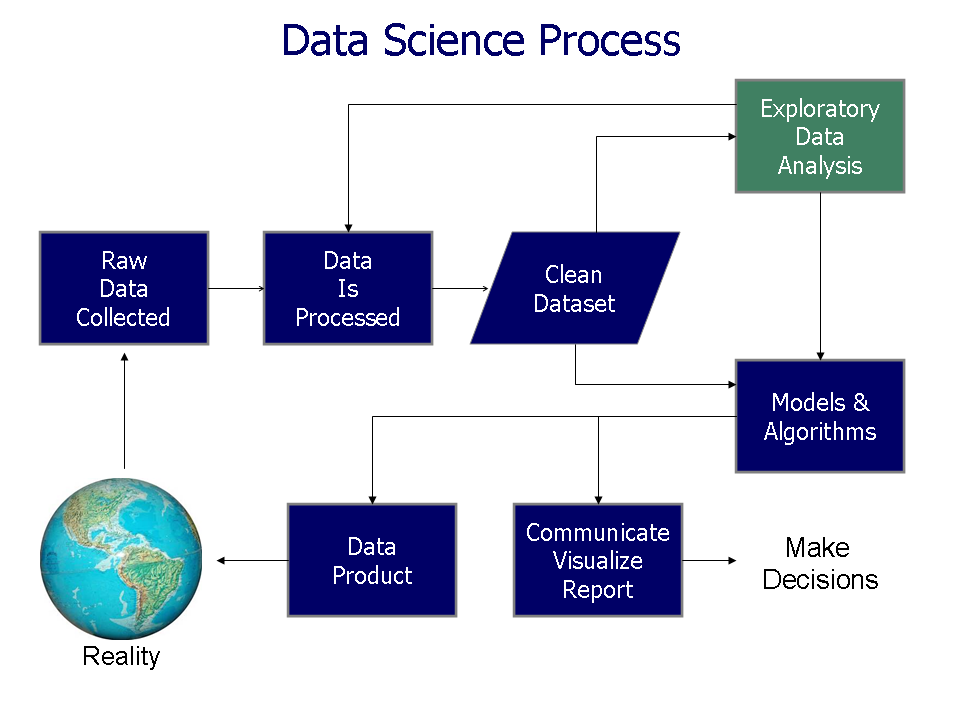
Understanding the source is crucial because it gives you context about the data's potential strengths and weaknesses.
A smartphone, for instance, generates data from multiple sources at once: human-sourced (texts), process-mediated (app usage logs), and machine-generated (GPS, accelerometer).
The Data Engineer's Role
So, who makes sure this initial step goes smoothly? Enter the data engineer. At the generation stage, a data engineer isn't just a passive observer; they are the architect and plumber of the data collection systems.
Their job is to design, build, and maintain the pipelines that capture data from its source. They ensure the collection process is reliable, scalable, and secure. They might set up an API to pull data from a third-party service, write a script to scrape information from a website, or configure sensors to stream data into a collection point.
A key part of their role is to work with stakeholders, like software developers and business analysts, to understand what data is needed and how it should be structured right from the point of creation. They are the gatekeepers who ensure that the data flowing into the organization's systems is ready for the journey ahead.
Quality From the Start
Fixing data problems is always more expensive and time-consuming the later you catch them. That's why ensuring data quality at the source is a core principle of good data engineering. It’s like a chef inspecting ingredients as they arrive from the supplier, rather than waiting to find a rotten tomato in the final sauce.
Data engineers implement checks and validations at the point of collection. This proactive approach is called "shifting left," a term borrowed from software development that emphasizes catching issues early in the process.
| Quality Check | Bad Data Example | Good Data Example |
|---|---|---|
| Completeness | A user record is missing an email address. | All required fields in the user record are filled. |
| Validity | An email field contains "john doe" (no @ symbol). | An email field contains "john.doe@example.com". |
| Accuracy | A birth date is listed as 1850. | The birth date is a plausible date, like 1995. |
| Consistency | A customer's state is "CA" in one system but "California" in another. | The state is consistently stored as "CA" across all systems. |
By building these simple rules into the data generation process, engineers prevent many common data quality issues from ever entering the system. This saves countless hours of cleanup work down the line and builds a foundation of trust in the organization's data.
According to the principle of "garbage in, garbage out," why is the data generation stage so critical?
The transaction log from a point-of-sale system in a retail store is a classic example of what type of data?
Data generation is more than just the start of a process; it's the most critical step for determining the ultimate value of your data. Getting it right sets the stage for everything that follows.