Advanced Critical Thinking Strategies
Logical Fallacies
Spotting Flaws in Arguments
Have you ever been in a discussion where the other person's point just felt... off? Even if you couldn't put your finger on why, you sensed a weak spot. Often, that weakness is a logical fallacy. These are common errors in reasoning that make an argument seem stronger than it really is. They can be intentional tricks or unintentional mistakes, but either way, they derail productive conversation.
Fallacy
noun
A mistaken belief, especially one based on an unsound argument. It's a failure in reasoning that renders an argument invalid.
Attacking the Person, Not the Point
One of the most common fallacies is the ad hominem attack, which is Latin for "to the person." Instead of addressing the actual substance of an argument, the person using this fallacy attacks the character, motive, or some other attribute of the person making the argument. The goal is to discredit the speaker and, by extension, their argument, without ever engaging with the ideas presented.
For example: "You can't trust Dr. Chen's research on climate change. I heard she's a terrible tipper." Dr. Chen's tipping habits have nothing to do with the validity of her scientific research.
Next up is the straw man fallacy. This happens when someone distorts, exaggerates, or completely fabricates an opponent's argument to make it easier to attack. They aren't debating the person's actual position; they're fighting a flimsy caricature they built themselves—a "straw man" that's easy to knock down.
False Choices and Slippery Slopes
The false dilemma, or false dichotomy, is a fallacy that presents only two options as the only possibilities, when in fact more alternatives exist. It's an
"Either you're with us, or you're against us." This kind of thinking corners you into a choice that isn't real. It deliberately hides the middle ground and other nuanced positions to force a simple, often emotionally charged decision. For instance, in a debate about city planning, someone might say, "We can either build the new highway, or we can let our city's economy stagnate." This ignores other possibilities like improving public transport or optimizing existing roads.
Closely related is the slippery slope argument. This fallacy claims that a relatively small first step will inevitably lead to a chain of related events culminating in some significant, usually negative, effect. It argues that we must not take the first step, because if we do, we'll slide all the way down the slope to disaster. The problem is that it asserts this chain reaction will happen without offering any real evidence.
| Step | Claim | Flaw |
|---|---|---|
| Initial Action | "If we allow the city to ban plastic bags..." | A reasonable policy proposal. |
| Chain Reaction | "...soon they'll ban plastic straws, then plastic bottles..." | Assumes a connection without proof. |
| Extreme Outcome | "...and eventually, all plastics will be outlawed, crippling our industries!" | Jumps to a dramatic, unsupported conclusion. |
Playing with Emotions
Finally, there's the appeal to emotion. This fallacy manipulates an emotional response in place of a valid or compelling argument. While emotion can be a part of persuasive speech, it becomes a fallacy when it's used to obscure the facts or as the sole basis for a conclusion. The goal is to get you to agree based on how you feel, rather than what you think.
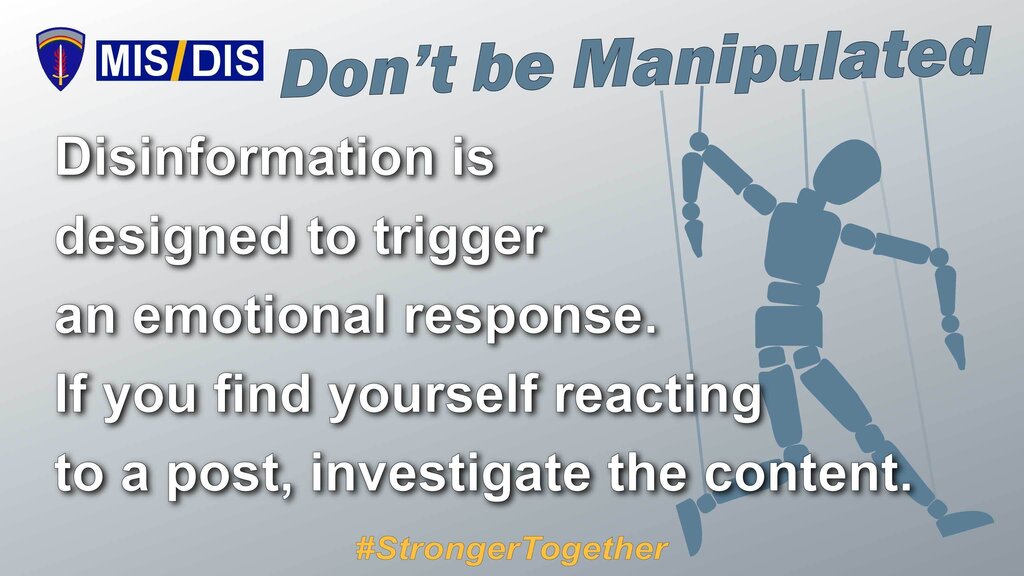
You see this often in advertising and political campaigns. A commercial might show a sad-looking puppy to get you to donate to a charity, without providing much information about how the money is used. Or a political ad might use fear-mongering language to sway voters, rather than discussing the details of a policy proposal. The emotional tug is powerful, but it's not a logical reason to support a claim.
Now, let's test your ability to spot these common fallacies.
Politician A argues for stricter environmental regulations. Politician B responds, "Politician A wants to destroy our economy and send us back to the Stone Age!" Which fallacy is Politician B using?
Which fallacy involves attacking the character or personal traits of an opponent rather than engaging with their actual argument?
Recognizing these fallacies is a crucial skill. It allows you to see the weak points in arguments and helps you build stronger, more logical ones yourself.