Advanced Critical Reading Strategies
Structural Analysis
Reading the Blueprint
Reading isn't just about understanding words on a page. It's about understanding the author's plan. A well-written book, whether fiction or non-fiction, has a deliberate architecture. Learning to see this structure is the first step toward deeper analysis. It’s like the difference between walking through a house and studying its blueprint. Both give you a sense of the space, but only the blueprint reveals the design, the load-bearing walls, and the flow from room to room.
The first step to reading more critically and efficiently is to understand the structure of the source you’re reading.
This is the essence of structural reading. Instead of diving straight into the first chapter and reading word for word, you start by getting a high-level view. The goal is to grasp the author's main argument or narrative arc before you get lost in the details. Think of it as creating a mental map of the territory you're about to explore.
The Skeleton of an Argument
Non-fiction texts are built on a logical skeleton. The author makes a central claim, or thesis, and then supports it with a series of smaller arguments, evidence, and examples. Your job as a structural reader is to identify this framework.
The easiest place to start is the table of contents. It’s not just a list of chapters; it’s the author’s outline. Look at how the sections and chapters are grouped. Do they move from theory to practice? From a historical overview to a modern analysis? This progression is your first major clue.
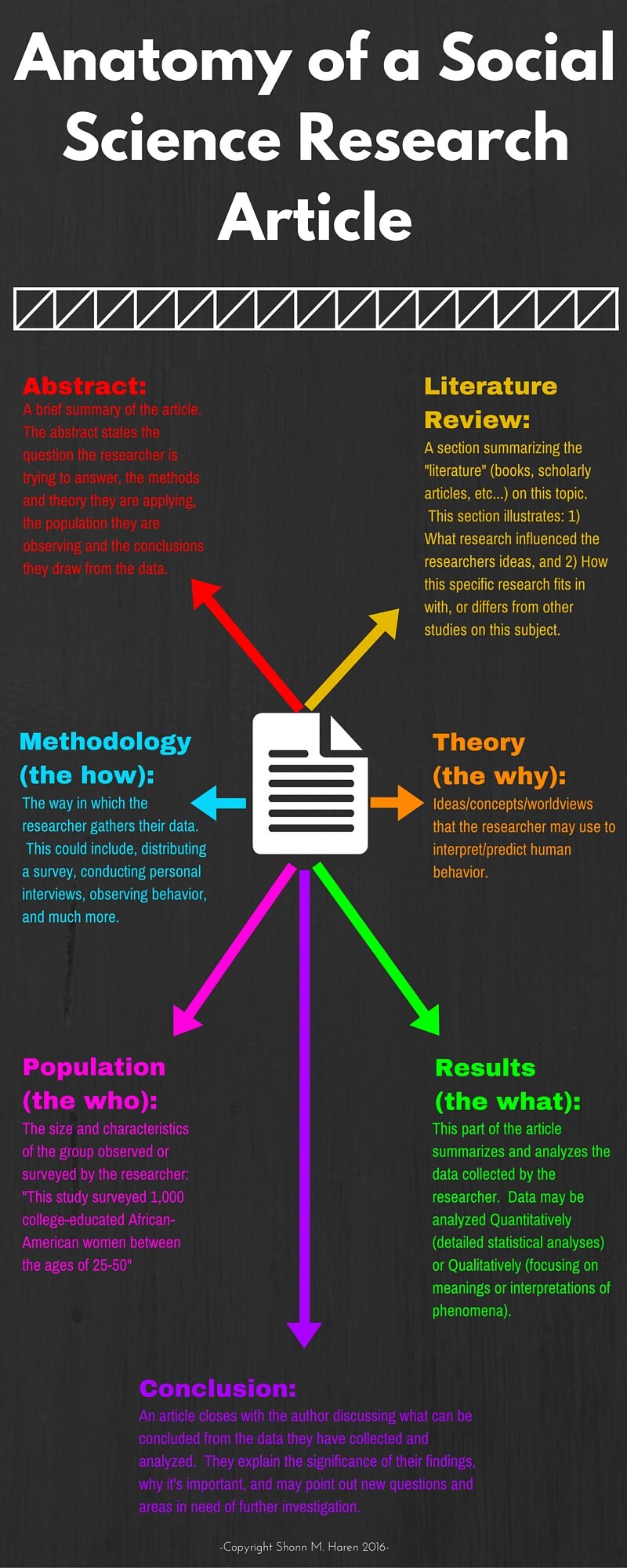
Once you have the big picture, you can start identifying the key propositions in each section. A proposition is a statement that can be argued or proven. For example, in a book about climate change, a key proposition might be "Human activity is the primary driver of rising global temperatures." The rest of the chapter will then be dedicated to providing evidence for that claim.
This process is about separating the argument from the illustration. The argument is the core logic; the illustrations are the stories, data, and anecdotes used to make the argument compelling and understandable. A structural read focuses on the argument first.
This method helps you read actively, not passively. You are engaging in a conversation with the author, questioning their structure and evaluating the strength of their claims before you even commit to a deep, semantic read where you focus on the meaning of every sentence.
Thematic Architecture
Literary fiction works differently. While a novel has a plot—a sequence of events—its deeper structure is built from themes, character arcs, and motifs. A structural analysis of a novel means looking for these repeating patterns. Instead of a logical argument, you're looking for a thematic framework that gives the story its meaning.
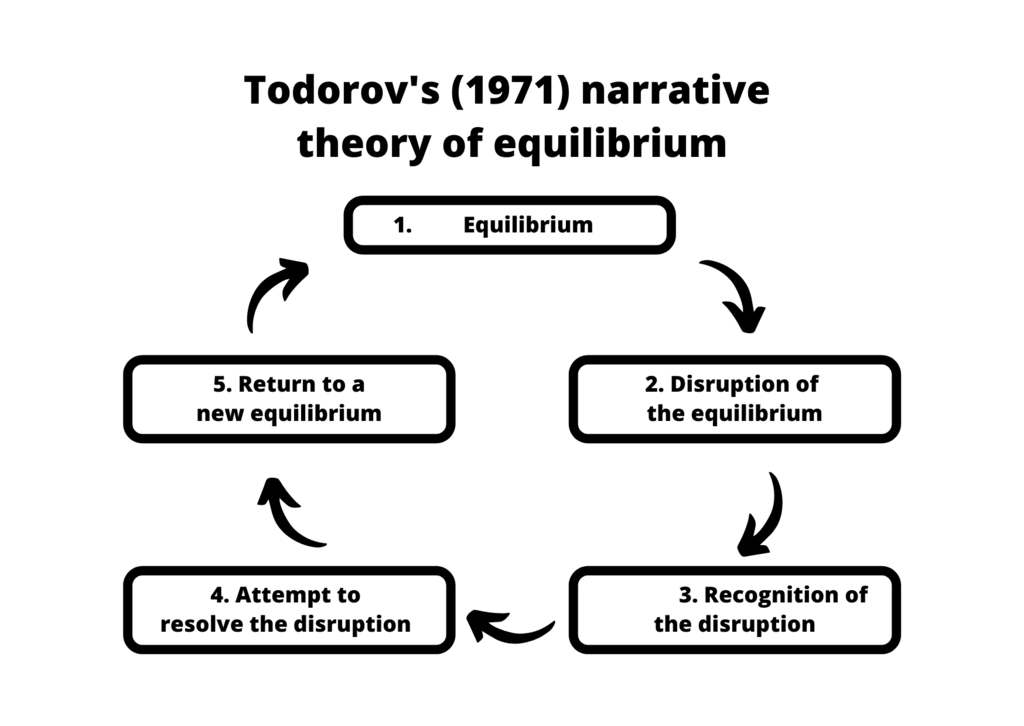
For example, in The Great Gatsby, the plot follows Jay Gatsby's attempts to win back Daisy Buchanan. But a structural reading reveals a thematic architecture built on the decay of the American Dream, the hollowness of the upper class, and the illusion of the past.
How do you spot this? Look for:
- Motifs: Recurring images or ideas, like the green light at the end of Daisy's dock.
- Character Foils: Characters who contrast with each other to highlight particular traits, like the honest Nick Carraway versus the dishonest Jordan Baker.
- Juxtaposition: Placing contrasting scenes or ideas next to each other to create a specific effect.
Reading for literary structure means mapping how these elements connect and build on each other throughout the narrative. You're not just asking "What happens next?" but "Why is this happening now, and how does it connect to what came before?"
Structural reading turns a story from a simple sequence of events into a complex, interconnected web of meaning.
So, before your next deep read, take a moment to step back. Skim the table of contents. Read the introduction and conclusion. Identify the big questions or claims. By understanding the blueprint first, you'll build a much deeper and more lasting comprehension of the text.
Ready to test your understanding of structural analysis?
What is the primary goal of structural reading?
When beginning a structural read of a non-fiction book, what is the most effective starting point?