Advanced Creatine Science
ATP-CP Bioenergetics
The Immediate Energy System
Your cells run on a single currency: Adenosine Triphosphate, or ATP. When a muscle contracts or a neuron fires, it 'spends' ATP by breaking a high-energy phosphate bond, turning it into Adenosine Diphosphate (ADP). The problem is, your body only keeps a tiny amount of ATP on hand—enough for just a few seconds of all-out effort. For any intense activity, from lifting a heavy weight to solving a complex problem under pressure, you need a way to regenerate ATP almost instantly.
This is the job of the phosphagen system, also known as the ATP-CP system. It relies on a high-energy molecule called Phosphocreatine (PCr) stored directly in your muscle and brain cells. When ATP is broken down to ADP for energy, an enzyme called Creatine Kinase immediately springs into action. It strips the phosphate group from a PCr molecule and attaches it to an ADP molecule, instantly creating a new ATP.
This reaction is incredibly fast, providing the energy needed for maximal efforts before slower metabolic pathways can ramp up. It's the reason you can perform explosive movements or maintain sharp focus under sudden, high demand.
The enzyme creatine kinase (CK) facilitates the transfer of a phosphate group from creatine phosphate to ADP, yielding ATP and free creatine.
An Energy Buffer Against Fatigue
Think of Phosphocreatine as a crucial energy buffer. When cells use ATP, the ratio of ATP to ADP starts to drop. This shift is a key signal of metabolic stress, which, if unchecked, leads to fatigue as the cell's energy-producing machinery can't keep up. The ATP-CP system prevents this immediate stress signal by rapidly converting ADP back into ATP, thus maintaining cellular energy homeostasis and keeping the cell in a high-energy state.
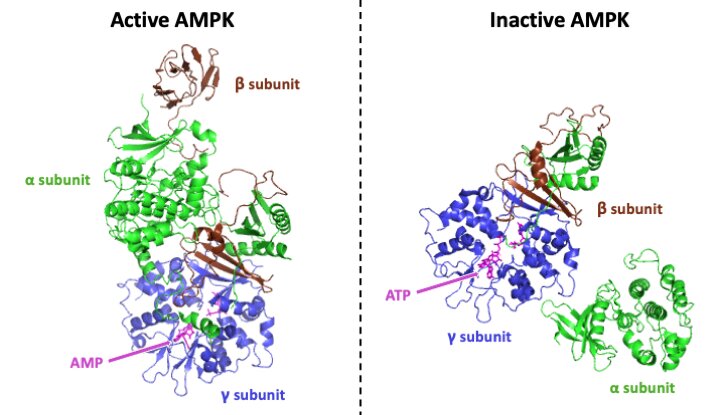
By buffering the ATP/ADP ratio, the phosphagen system delays the need to rely on slower, more complex energy pathways like glycolysis, which produces lactate and other metabolic byproducts that contribute to fatigue. This allows for a longer duration of high-power output before performance declines. The system essentially buys your cells precious seconds to perform at their peak.
Muscle and Brain Saturation
Both muscle and brain tissue have high and fluctuating energy demands, making them heavily reliant on the ATP-CP system. However, the body's natural creatine stores are typically not fully saturated. This means there's untapped potential in the energy buffer. By increasing the total creatine pool through exogenous supplementation, you can increase the amount of Phosphocreatine stored in these tissues.
A larger PCr reservoir means the Creatine Kinase reaction can run for longer and more effectively during periods of high metabolic demand. For muscles, this translates to an enhanced capacity for strength, power, and high-intensity endurance, allowing for an extra repetition or a more explosive sprint. In the brain, which consumes about 20% of your body's energy, a larger PCr pool can support cognitive functions that require rapid energy expenditure, such as working memory, quick decision-making, and mental processing under stress. Increasing saturation essentially upgrades the immediate energy buffer in your most metabolically active tissues.
What is the primary function of the phosphagen (ATP-CP) system?
When ATP is used for energy, it breaks down into which molecule?