Advanced Creatine for Law Enforcement Performance
Creatine's Role in Energy Systems
The Immediate Energy System
Every physical action, from a slight movement to an all-out sprint, is powered by a single molecule: adenosine triphosphate, or ATP. Think of ATP as the direct, spendable cash your muscles use for energy. However, your muscles only store a tiny amount of ATP, enough for just a few seconds of intense effort. When that runs out, your body needs to make more, and it needs to do it fast.
This is where the phosphocreatine (PCr) system comes in. It's your body's most rapid method for regenerating ATP. This system acts as an immediate energy reserve, a small but potent backup battery ready to recharge ATP at a moment's notice.
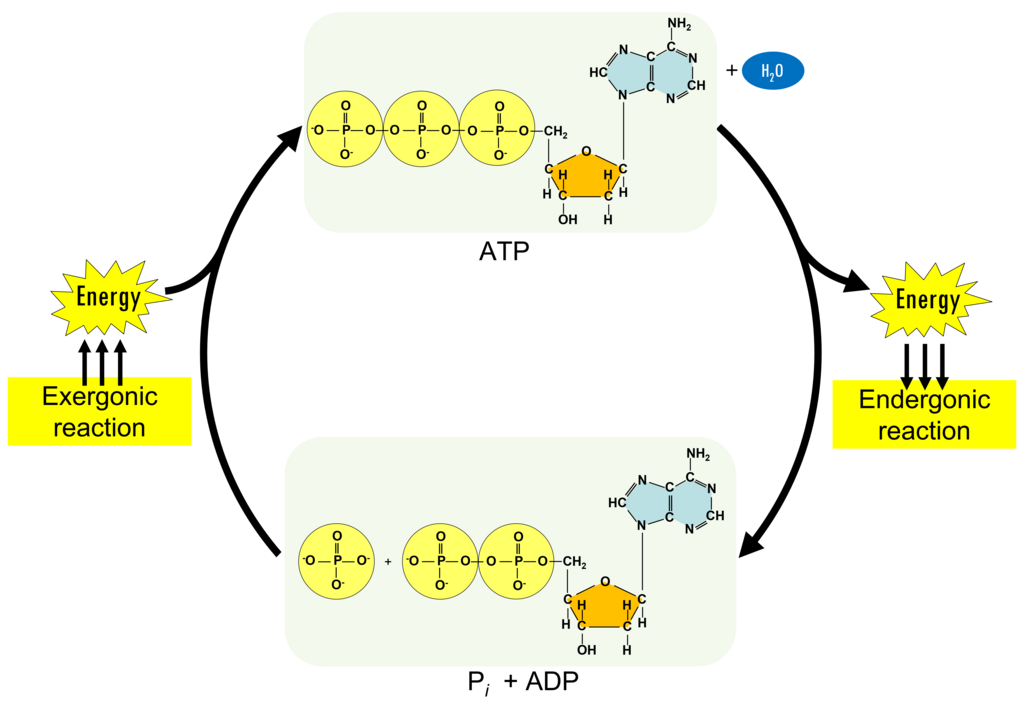
Creatine, which is stored in your muscles as phosphocreatine, is the key player. Phosphocreatine holds a high-energy phosphate group. When ATP is used, it breaks down into adenosine diphosphate (ADP) and an inorganic phosphate. The PCr system swoops in to save the day.
The enzyme creatine kinase (CK) facilitates the transfer of a phosphate group from creatine phosphate to ADP, yielding ATP and free creatine.
This reaction is incredibly fast, allowing muscles to maintain force and power during sudden, maximal efforts.
Fuel for Explosive Action
The phosphocreatine system is the dominant energy source for very short, high-intensity activities. We're talking about all-out efforts lasting from about 2 to 15 seconds. It's the physiological equivalent of hitting the afterburner.
This system is your sprinter's tank, not your marathoner's fuel. It's built for explosive power and is depleted quickly.
Once the initial phosphocreatine stores are used up, the body must rely on other, slower energy systems like glycolysis to continue producing ATP. This is why you can't sprint at top speed indefinitely. The immediate, high-octane fuel simply runs out, and muscle fatigue begins to set in as the body struggles to keep up with the energy demand.
Energy Demands in the Field
For law enforcement officers, peak physical readiness isn't about endurance alone. The job often demands sudden bursts of maximal effort in unpredictable situations. These are the moments where the phosphocreatine system is critical.
Consider these common tasks:
- Sprinting: A short foot pursuit or running for cover.
- Physical Control: A sudden struggle to control or restrain a resisting subject.
- Breaching: Forcing entry through a door.
- Lifting/Carrying: Quickly moving a civilian or another officer out of harm's way.
Each of these actions relies on the ability to generate maximum force in a matter of seconds. A well-functioning phosphocreatine system ensures that the ATP needed for these powerful muscle contractions is available instantly, directly impacting effectiveness and safety in critical incidents.
What is the direct energy molecule that powers all muscle contractions?
The phosphocreatine (PCr) system is the dominant energy source for activities lasting approximately how long?