Advanced Corporate Stock and Dividend Accounting
Stock Basics
Ownership in a Box
A stock is a simple idea: it's a slice of ownership in a company. When you buy a company's stock, you own a small piece of that business. If the company grows and becomes more valuable, your piece of ownership can also increase in value. Think of it like owning a single brick in a huge building. You don't own the whole building, but you are one of its many owners.
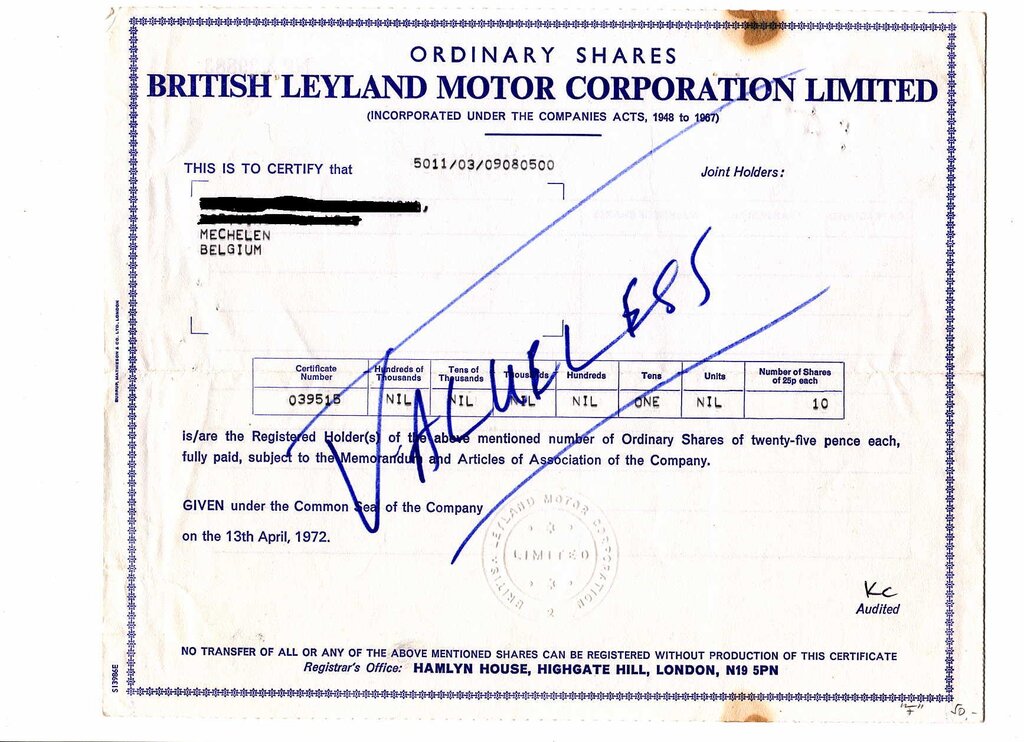
But not all slices of ownership are the same. Companies can issue different types of stock, each with its own set of rules and benefits. The two main categories are common stock and preferred stock.
Common Stock: The Driver's Seat
Common stock is the most, well, common type of stock. It represents true ownership in a company. The defining feature of common stock is voting rights. For each share you own, you typically get one vote on major company decisions, like electing the board of directors who oversee the CEO and guide the company's strategy.
Owning common stock means you share in the company's successes and failures. If the company hits a home run with a new product, the value of your shares can soar. However, if the company struggles, the value can fall. Common stockholders are paid only after all other obligations are met, including payments to preferred stockholders. This makes it a higher-risk, higher-reward position.
Common stock gives you a voice (voting rights) and a stake in the company's potential growth, but you're last in line for payments.
Preferred Stock: The VIP Lane
Preferred stock is a bit like a hybrid between a stock and a bond. It represents ownership, but with a different set of priorities. The main advantage is the dividend entitlement. Preferred stockholders are typically guaranteed a fixed dividend payment and must receive it before any dividends are paid to common stockholders.
They also have liquidation preference. If the company goes out of business and its assets are sold off, preferred stockholders get their initial investment back before common stockholders get anything. This priority makes preferred stock a less risky investment.
The trade-off? Most preferred stock comes with no voting rights. You get the financial perks and safety, but you give up your say in how the company is run.
| Feature | Common Stock | Preferred Stock |
|---|---|---|
| Voting Rights | Yes | Typically No |
| Dividends | Variable; paid last | Fixed; paid first |
| Liquidation | Paid last | Paid first |
| Risk/Reward | Higher | Lower |
Par Value: A Historical Footnote
When you look at a stock certificate or a company's financial filings, you might see a "par value" listed. This is a purely legal and accounting concept that has very little to do with the stock's actual market price.
Historically, par value was the minimum price for which a company could sell a share. It was meant to protect early investors from the company diluting their ownership by selling new shares for pennies. Today, it's largely a relic. Most companies set an extremely low par value, like $0.0001 per share, just to meet legal requirements.
Par Value
noun
A nominal face value assigned to a share of stock for legal and accounting purposes, which bears no relation to its market value.
So, while you'll see it mentioned, don't mistake par value for the actual worth of a share. The market price, driven by the company's performance and investor demand, is what truly matters.
What does owning a share of a company's common stock represent?
What is the primary advantage common stockholders have that preferred stockholders typically do not?