Advanced Corporate Governance and Secretarial Leadership
Advanced Compliance Frameworks
Beyond the Checklist
Effective compliance isn't just about following rules; it's about building a strategic system. As a Company Secretary, your role is to move the organization from a reactive, checklist-mentality to a proactive framework that anticipates risk and manages legal obligations efficiently. This is strategic compliance management.
A robust system integrates legal interpretation, risk assessment, and technology. It’s a living part of the business, not a dusty file cabinet of legal opinions. The goal is to create a structure that not only prevents penalties but also supports sound corporate governance and decision-making.
Interpreting the Rules
The foundation of any compliance framework is the ability to correctly interpret laws, regulations, and . This goes beyond simply reading the text. It requires understanding the legislative intent, the context in which the law was created, and how it applies to your specific business operations.
Often, you'll face a choice between strict, literal compliance and a more flexible, risk-based approach. A literal interpretation follows the exact wording of the law, which can sometimes be inefficient or impractical. A risk-based approach focuses compliance efforts on the areas of highest potential impact, accepting a minimal level of risk in less critical areas. Neither is universally correct; the right choice depends on the company's risk appetite and the specific regulation in question.
| Approach | Pros | Cons |
|---|---|---|
| Strict Literal Compliance | Minimizes legal risk; clear and easy to audit. | Can be costly, inefficient, and stifle innovation. |
| Risk-Based Governance | More flexible and efficient; focuses resources where they matter most. | Requires sophisticated judgment; may be harder to defend if a breach occurs. |
This decision-making process is the core of regulatory risk assessment. You must identify potential compliance failures, analyze their likelihood, and evaluate their potential impact on the business, from financial penalties to reputational damage.
Regulatory Risk
noun
The risk of a change in laws and regulations that will materially impact a security, business, sector, or market. A change in the law can increase a company's costs, reduce the attractiveness of an investment, or change the competitive landscape.
The Compliance Dashboard
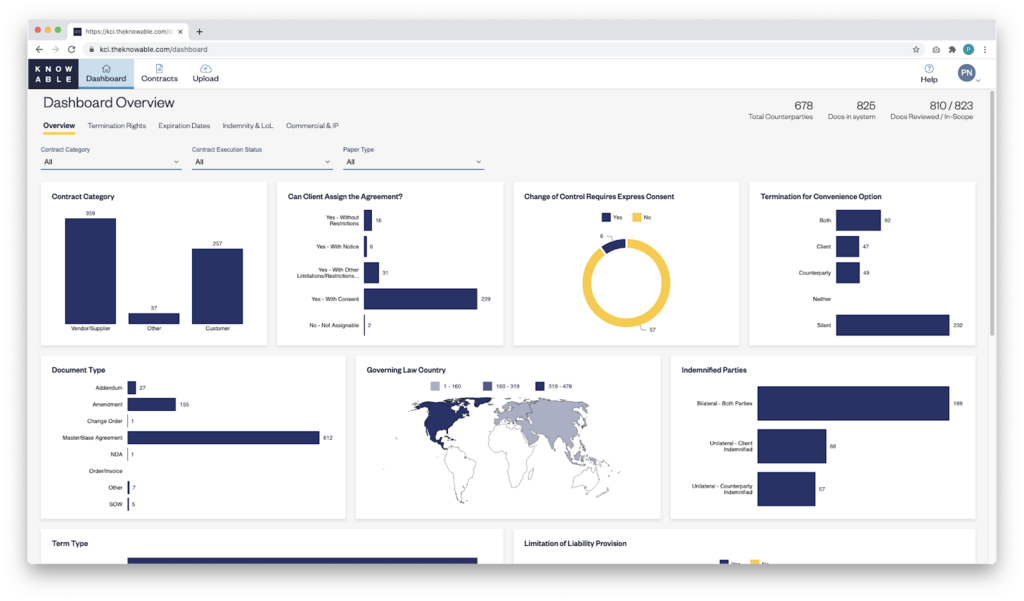
Managing this complexity manually is nearly impossible in a modern enterprise. This is where a compliance dashboard becomes an indispensable tool. It's a centralized, often software-based, interface that provides a comprehensive overview of the organization's compliance status.
Key features include:
- Deadline Tracking: Automates reminders for recurring obligations like annual filings, board meetings, and regulatory reports.
- Regulatory Change Alerts: Monitors legal databases and government sources to flag new or amended regulations that affect the company.
- Risk Visualization: Translates risk assessments, like the matrix above, into clear visual reports for the board and senior management.
- Audit Trails: Records all compliance activities, creating a defensible log of who did what and when.
A well-designed dashboard utilizes to ensure that the information is always current, allowing the CS to spot and address potential issues before they become major problems.
Navigating Global Rules
The challenge intensifies for companies operating across borders. A CS for a multinational entity must harmonize compliance programs that span multiple, often conflicting, legal systems. For example, a company with operations in both India and the United Kingdom must navigate the nuances of both the Indian Companies Act 2013 and the UK Companies Act 2006.
What happens when one jurisdiction requires public disclosure of information that another considers confidential? Or when corporate governance standards for board composition differ significantly? There is no single answer. The CS must analyze each conflict, often engaging local legal counsel, to determine the best path forward. This might involve adopting the stricter of the two standards globally or developing region-specific policies that still align with the overall corporate governance framework.
Now, let's test your understanding of these advanced compliance concepts.
What is the primary goal of shifting from a reactive, checklist-based approach to a strategic compliance management framework?
A company identifies that a new data privacy law has a high potential impact. Instead of applying the law's strictest interpretation to all data, they focus enhanced security measures on customer financial data (high-risk) and apply standard measures to internal operational data (low-risk). What approach does this exemplify?
Mastering these frameworks is about transforming the Company Secretary role from a record-keeper to a strategic advisor who safeguards the company's integrity and enables its growth in a complex world.