Advanced Content Writing Mastery
Advanced Content Strategy
Strategy Beyond Creation
You've moved past the basics of just making content. Now, it's about making the right content for the right person at the right time. An advanced content strategy isn't about volume; it's about precision. It's a plan that connects every piece of content directly to a business objective, guided by a deep understanding of your audience and their journey.
This approach transforms content from a simple marketing tactic into a powerful engine for growth. The goal is to create a seamless experience that guides people from their first interaction with your brand to becoming loyal customers.
A content strategy is the planning, creation, publication, management, and governance of content.
Let's break down how to build this engine.
Know Your Audience Deeply
You can't create resonant content without knowing who you're talking to. Basic demographics are a start, but an advanced strategy relies on detailed audience personas. A persona is a fictional character representing your ideal customer, built from research and data.
This character shouldn't just have a job title and age. It should have goals, daily frustrations, and specific problems they need to solve. What motivates them? What are their biggest pain points? Where do they look for information? Answering these questions helps you create content that speaks directly to their needs.
| Persona Trait | Details: “Growth-Focused Mark” |
|---|---|
| Role | Marketing Manager at a mid-sized tech company. |
| Demographics | 34 years old, urban, Master's degree. |
| Goals | Increase lead quality by 25% this year; prove marketing ROI to leadership. |
| Pain Points | Struggling to generate high-quality leads; overwhelmed by data; team is stretched thin. |
| Motivations | Wants to be seen as a data-driven leader; eager to adopt new technologies that show clear results. |
| Content Habits | Reads industry blogs, listens to marketing podcasts, active on LinkedIn. Prefers case studies and data reports over fluffy articles. |
With a persona like "Growth-Focused Mark," you know exactly what kind of content to create. He doesn't want another generic listicle. He wants a detailed case study showing how a similar company improved lead quality, or a report on emerging marketing technologies. Every content decision becomes clearer.
Map Content to the Journey
A persona doesn't exist in a vacuum. They go through a process before making a purchase, often called the buyer's journey. This journey typically has three main stages:
- Awareness: The person is experiencing a problem but may not have a name for it. They're looking for educational, high-level information to understand their issue.
- Consideration: They've defined their problem and are now researching potential solutions. They compare different approaches, products, or services.
- Decision: They've narrowed down their options and are ready to choose one. They need final convincing that your solution is the best fit.
By mapping your content to these stages, you ensure you have the right information available whenever your audience needs it. Someone in the Awareness stage isn't ready for a sales demo, but they'd love an ebook that helps them understand their problem. This targeted approach builds trust and makes your marketing more effective.
Align Content with Business Goals
Great content is nice, but content that grows the business is essential. Every piece you create should have a purpose that ties back to a larger company objective, whether that's generating leads, increasing sales, or improving customer retention.
Start with your business goals and work backward. If your goal is to increase qualified leads by 20%, what content will help you do that? Perhaps it's a series of webinars for the Consideration stage, gated behind a form. If your goal is to reduce customer churn, you might create a robust onboarding video series or an exclusive resource hub for existing clients.
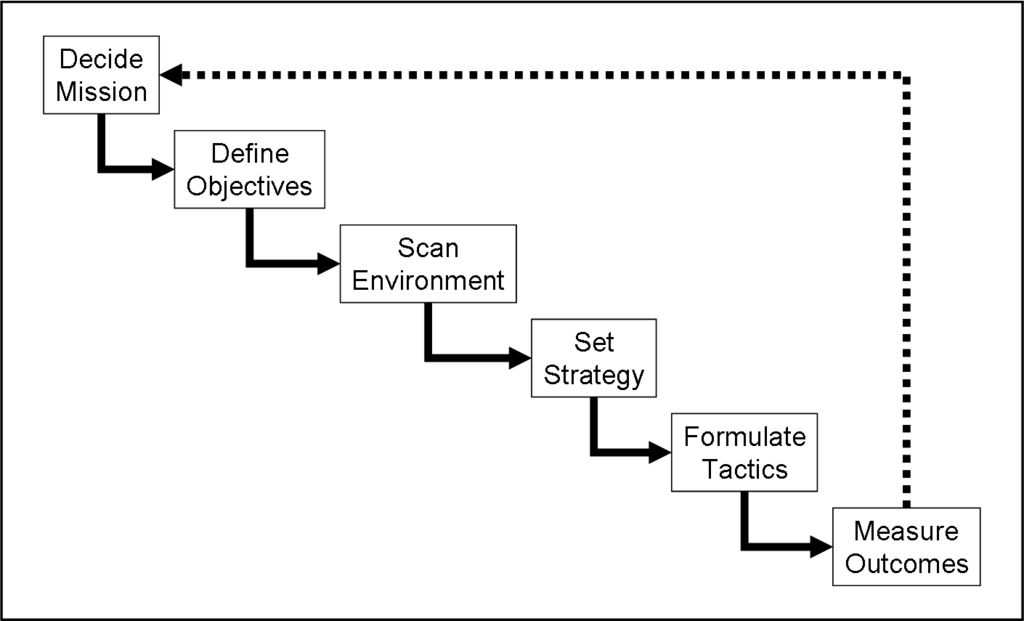
This alignment forces you to think critically about every content idea. Instead of asking, "Is this interesting?" you start asking, "How will this help us achieve our goals?" This simple shift focuses your efforts on what truly matters.
Content that drives engagement and conversions feels like a helpful conversation, not a sales pitch. It anticipates the reader's next question and provides a clear next step, whether that's downloading a guide, watching a demo, or contacting sales.
By combining deep audience understanding with journey mapping and a clear focus on business objectives, your content strategy becomes a predictable, scalable driver of growth. You're no longer just creating content; you're building relationships and delivering value at every step.
What is the primary focus of an advanced content strategy?
According to the provided text, a detailed audience persona should go beyond basic demographics to include what key elements?