Advanced Construction Tendering for Health and Safety
Health and Safety Regulations
The Foundation of Safety
When bidding on a construction project, the blueprints and budget are only part of the story. Health and safety regulations form the invisible framework that holds everything together. These rules aren't just best practices; they are strict legal requirements that protect workers and the public. Failing to address them properly in a tender can lead to disqualification, fines, or worse, preventable accidents on site.
Every construction tender must demonstrate a clear understanding and commitment to these regulations. This means proving you have a plan to manage risks before a single brick is laid. Think of it as a promise to the client and the government that the project will be executed not just on time and on budget, but safely.
Global and National Rules
Safety standards in construction are guided by both international agreements and national laws. At the global level, organizations like the International Labour Organization (ILO) set the tone. The ILO's Safety and Health in Construction Convention (No. 167) is a key document that establishes principles for preventing accidents and protecting workers' health on construction sites worldwide.
The Convention outlines the responsibilities of employers to provide a safe workplace, ensure proper training, and supply protective equipment without cost to the workers.
While international conventions provide a framework, each country enforces its own specific regulations. In the United States, for example, the Occupational Safety and Health Administration (OSHA) is the primary governing body. A foundational piece of legislation is the Contract Work Hours and Safety Standards Act, specifically U.S. Code § 3704. This law mandates that any contractor working on a federally funded or assisted project must maintain health and safety standards to protect workers.
Safety in Your Tender
So how do these regulations affect your tender submission? You must actively prove your commitment to safety. This involves more than just a statement of intent; it requires detailed documentation outlining your safety procedures and protocols.
Your bid will likely need to include:
- A Site-Specific Safety Plan: This isn't a generic document. It must identify the unique hazards of the project and detail specific mitigation strategies.
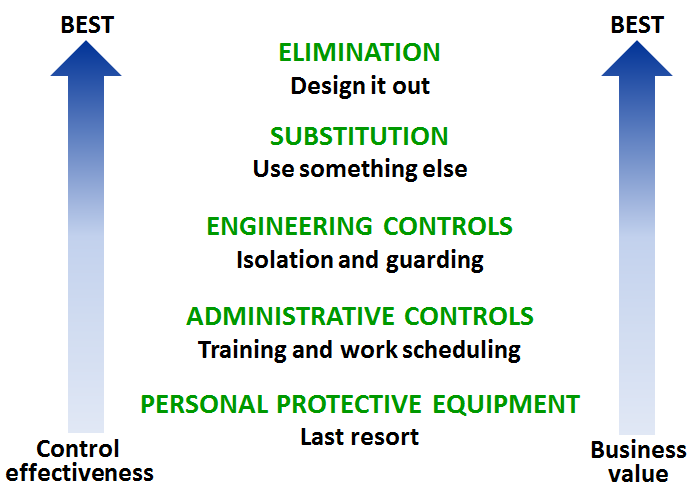
- Risk Assessments: A formal process of identifying potential hazards, evaluating the risk, and implementing control measures.
- Proof of Training and Competence: Documentation showing that your team, including subcontractors, is properly trained and certified for their roles.
- Emergency Response Procedures: A clear plan for how to handle accidents, fires, or other emergencies on site.
Optimizing health and safety on worksites, anticipating risks, and keeping up with regulatory changes are essential to controlling costs, protecting workers, and ensuring the long-term sustainability of the business.
By integrating these elements directly into your tender, you show the client that safety is a core part of your operational philosophy, not an afterthought. It demonstrates professionalism and a reliable approach to project management.
Time to check your understanding of these crucial safety regulations.
What is the primary reason for including detailed health and safety regulations in a construction tender?
Which organization sets international principles for construction safety, influencing national laws worldwide?
Adhering to health and safety regulations is a non-negotiable aspect of construction. It protects lives, ensures legal compliance, and ultimately builds a stronger reputation for your company.