Advanced Cognitive Architecture and Bias Mitigation
Neurological Bias Substrates
Valuation and the vmPFC
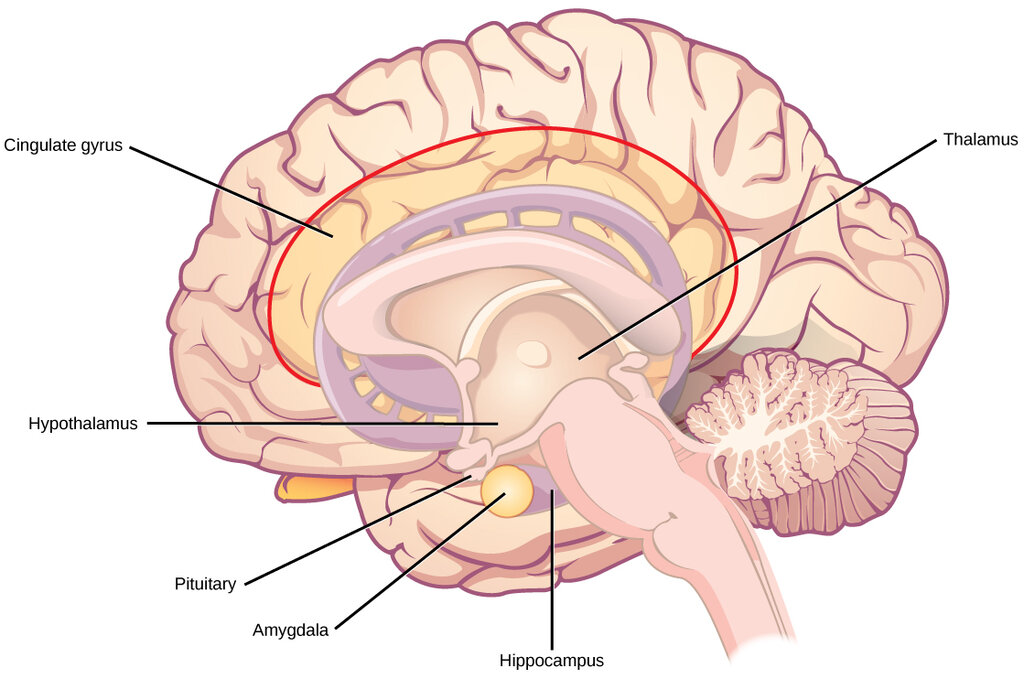
Cognitive heuristics aren't abstract psychological flaws; they are the direct output of specific neurobiological architectures. Central to this is the functional dissociation between the ventromedial prefrontal cortex (vmPFC) and the amygdala. The doesn't just process rational inputs; it acts as a valuation hub, integrating somatic markers and emotional salience with abstract goals to compute the subjective value of potential outcomes. During high-stakes decision-making, its activity is critical for encoding the expected utility of a choice.
However, this integrative function is highly susceptible to interference. When the amygdala flags a situation as emotionally potent—particularly with fear or high reward—it can effectively hijack the decision-making process. Increased amygdalar activity can attenuate vmPFC signalling, leading to choices driven by immediate emotional response rather than a deliberated valuation of long-term consequences. This is the neurological basis of affect heuristics, where 'what feels right' overrides 'what is logical'.
The Persistence of Error
The brain isn't just wired to make quick, emotionally-charged decisions; it's also wired to stick with them, even in the face of failure. This is largely governed by dopamine-driven reward circuitry. The persistence of the sunk-cost fallacy, for example, isn't a simple failure of logic; it's a neurochemical trap. When we invest resources (time, money, effort) into a project, our reward system anticipates a future payoff. Abandoning the project guarantees a negative —the outcome (loss) is worse than the expectation (potential gain).
This dopaminergic signal to 'keep going' can overpower conflicting information. The brain becomes biased towards actions that avoid the immediate negative feedback of admitting a loss, even if that means incurring greater losses in the future. The very system designed to help us learn from outcomes becomes a mechanism for reinforcing bad decisions.
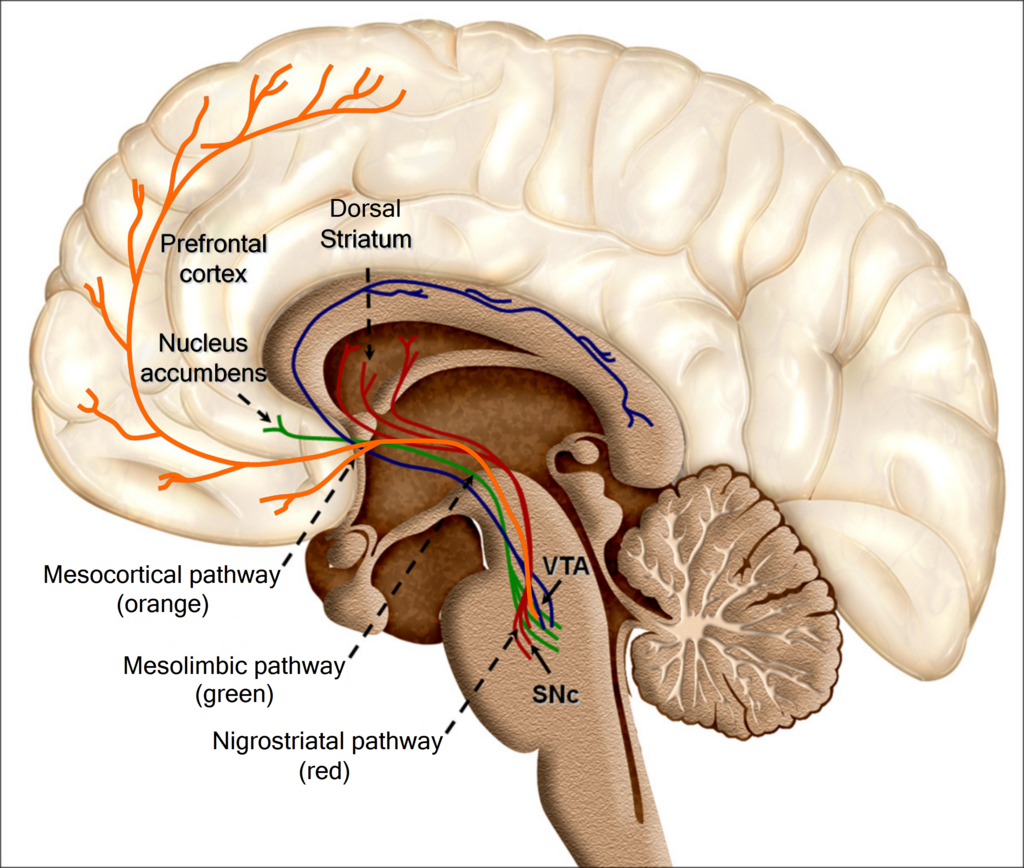
Meanwhile, the anterior cingulate cortex (ACC) serves as a conflict monitor. It becomes highly active when there's a discrepancy between an expected outcome and the actual result, such as when a chosen action fails to yield a reward. The ACC signals that something is wrong, prompting a potential change in strategy. This is a critical component of cognitive control.
The ACC flags the error, but the dopamine system's aversion to a negative reward-prediction error can override the ACC's warning, creating a neural tug-of-war.
The Limits of Cognitive Control
This brings us to the neurobiological limits of debiasing. Standard debiasing techniques often rely on conscious, logical override—engaging the prefrontal cortex to correct for heuristic-driven errors. However, they fail at the synaptic level because they are fighting against deeply ingrained and chemically reinforced pathways.
The amygdala's rapid, powerful signalling can preempt slower, more energy-intensive deliberation by the vmPFC. The dopamine system's reinforcement of past actions creates strong synaptic weights that are difficult to overturn. And while the ACC might flag a mistake, its signal can be drowned out by the more primitive and compelling drive to avoid loss or seek reward. True cognitive control is not just about knowing the right strategy; it's about having the neural architecture capable of implementing that strategy in the face of powerful, competing signals.
Now, let's test your understanding of these neurobiological substrates.
What is the primary role of the ventromedial prefrontal cortex (vmPFC) in decision-making, as described in the text?
According to the text, how does the amygdala's activity lead to the affect heuristic, where choices are driven by feelings rather than logic?
Understanding these circuits reveals why simply being aware of a bias is often insufficient to correct it. The roots of heuristic thinking are buried deep in the brain's functional architecture.