Advanced Coffee Science and Cultivation
Advanced Coffee Cultivation
Farming for Flavor
The journey of a coffee bean from farm to cup is long and complex. While your brewing technique at home is crucial, the story of a coffee's flavor begins much earlier, rooted in the soil and climate where it grows. Advanced cultivation methods do more than just grow coffee; they carefully craft the potential for exceptional taste while protecting the environment.
Factors such as altitude, soil composition, climate, and rainfall play significant roles in the development of coffee beans with exceptional flavors.
We're moving beyond simple farming and into the world of agricultural science, where every decision can influence the final brew.
Growing in the Shade
Coffee originally evolved as an understory plant in the forests of Ethiopia, thriving under the canopy of larger trees. Shade-grown coffee mimics this natural habitat. Instead of clearing land for massive, sun-exposed fields, farmers integrate coffee plants into a diverse forest environment.
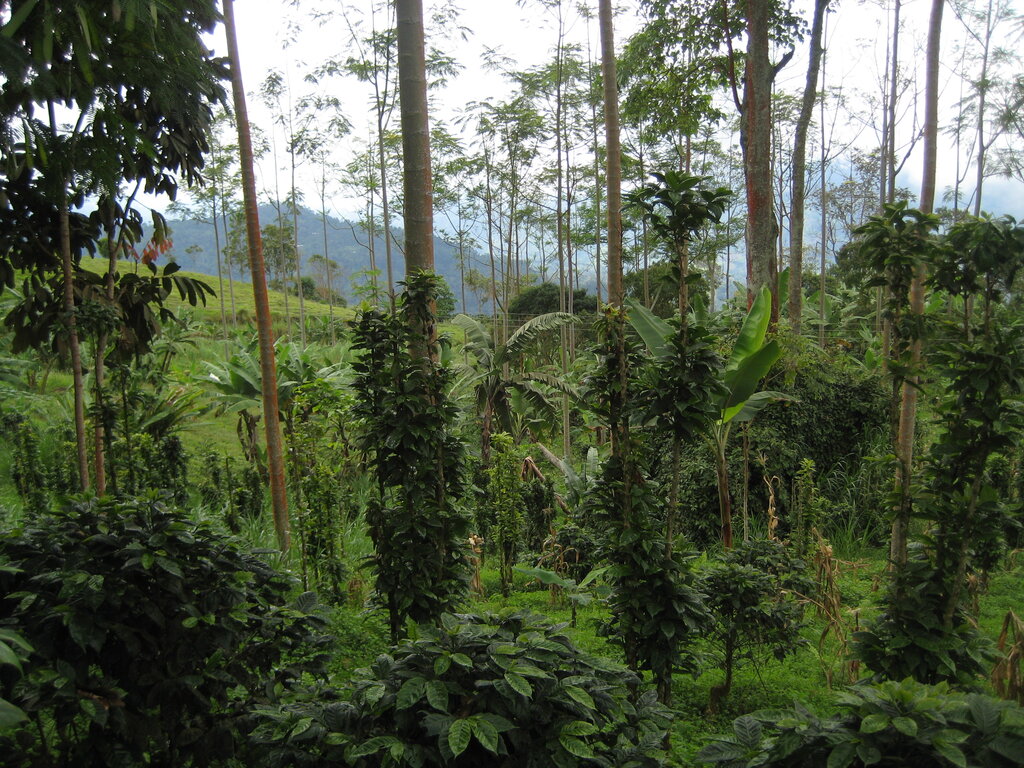
This method has profound benefits. The shade slows the coffee cherry's ripening process, allowing more complex sugars and acids to develop within the bean. This often leads to a more nuanced and flavorful cup. The forest canopy also provides a natural habitat for birds and insects, which act as pest control, reducing the need for chemical pesticides. The layer of falling leaves from the canopy trees creates a natural mulch, enriching the soil with organic matter.
This approach isn't just about better taste; it's about creating a sustainable ecosystem. The deep roots of the canopy trees help prevent soil erosion on steep hillsides, a common feature of coffee-growing regions.
Precision and Regeneration
Modern technology is also transforming coffee farming. Precision agriculture uses tools like GPS, sensors, and drones to give farmers a detailed view of their land. Instead of treating a whole farm identically, they can apply water or organic fertilizer only to the specific plants that need it. This conserves resources and reduces waste, leading to healthier plants and a cleaner environment.
This data-driven approach allows for targeted interventions, improving both crop yield and sustainability.
Regenerative agriculture takes this a step further. The goal isn't just to sustain the land, but to actively improve it. Regenerative coffee farmers focus on building healthy soil. They use practices like composting, planting cover crops between rows of coffee to prevent erosion and add nutrients, and integrating livestock to naturally fertilize the fields. Healthy soil holds more water, is more resistant to disease, and produces more flavorful coffee beans.
Water management is another key pillar. Many coffee-growing regions face water scarcity. Advanced farms use drip irrigation to deliver water directly to the base of each plant, minimizing evaporation. They also create systems to capture and reuse rainwater or water used during the coffee processing stage, turning a potential pollutant into a valuable resource.
Time to see how these concepts connect. Test your knowledge on how farming practices shape the coffee in your cup.
What is the primary benefit of growing coffee in the shade of a forest canopy?
Regenerative agriculture in coffee farming focuses primarily on which of the following goals?
Understanding these advanced techniques reveals the deep connection between sustainable farming and a high-quality product. The care taken at the farm level is the first, and perhaps most important, step in creating a truly exceptional cup of coffee.