Advanced Coffee Extraction and Brewing
Water Chemistry Fundamentals
The Unseen Ingredient
You already know that water makes up about 98% of your coffee, but its role goes far beyond simple dilution. Water is the solvent that pulls flavor from the grounds. The secret to a truly exceptional cup isn't just using clean water; it's using water with the right chemical composition.
The minerals dissolved in your water act like tiny hands, grabbing onto the flavorful oils and acids in your coffee. Without them, your brew would taste thin and sour. With too many, or the wrong kinds, it can become chalky and bitter. Getting the water chemistry right is about creating the perfect conditions for extraction.
Water represents 98% of the final beverage, making its quality control essential for professional results.
Hardness, Softness, and Flavor
The starting point for understanding your water is its mineral content, often measured as (TDS). This number tells you the total concentration of all dissolved substances in your water. However, not all solids are created equal. For coffee, we care most about two types of hardness.
General Hardness (GH) refers to the concentration of calcium and magnesium ions. These are the workhorses of extraction. They are positively charged and readily bond with negatively charged flavor compounds in coffee, pulling them into your brew. Magnesium is particularly effective at this, often highlighting brighter, fruitier notes.
Carbonate Hardness (KH), on the other hand, is about your water's buffering capacity. It's a measure of bicarbonates, which neutralize acid. A certain amount of KH is good, as it can tame excessive sharpness and balance the cup. But too much will neutralize the delicate, desirable acids that make a coffee vibrant, resulting in a flat, dull taste.
Think of GH as the engine of extraction and KH as the brakes. You need both to be in balance for a smooth ride.
Building Your Perfect Water
So, how do you get this ideal water? You build it. The most reliable method is to start with a blank slate—distilled or reverse osmosis (RO) water—and add minerals back in precise amounts. This removes all the guesswork associated with tap water, which can vary day-to-day.
Many baristas use pre-made mineral packets, like those from Third Wave Water, which are formulated to meet the Specialty Coffee Association's (SCA) standards when mixed with a gallon of distilled water. These packets provide a balanced ratio of magnesium sulfate (for GH), calcium citrate (also GH), and sodium bicarbonate (for KH).
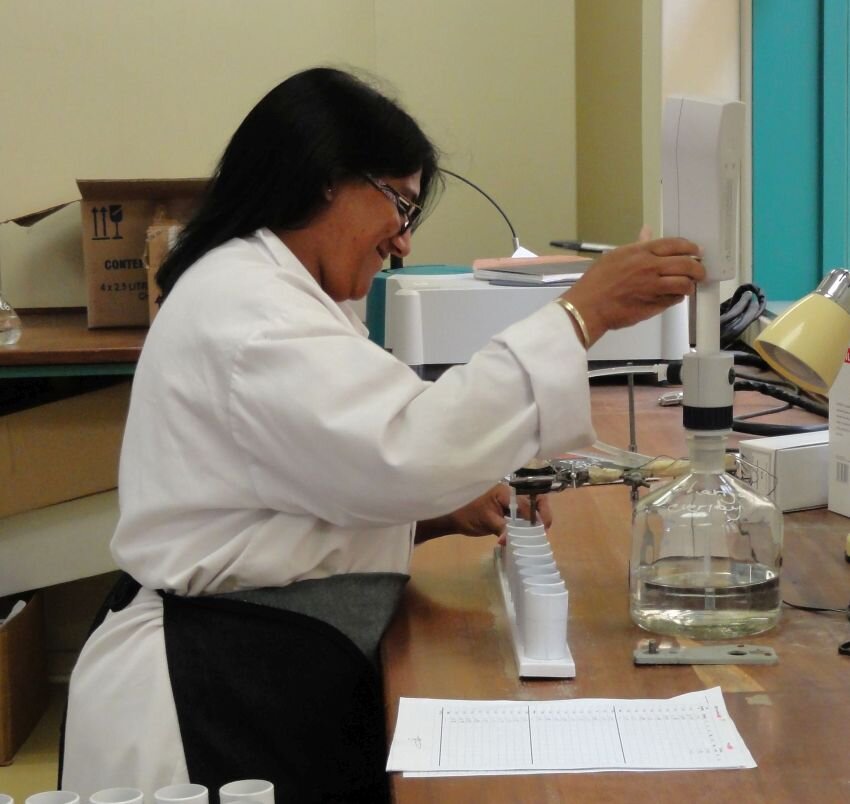
For those who enjoy a bit of home chemistry, you can create your own mineral concentrates. A common approach involves making two separate solutions:
- Hardness Concentrate: Made by dissolving Epsom salt (magnesium sulfate) and calcium chloride in distilled water.
- Alkalinity/Buffer Concentrate: Made by dissolving baking soda (sodium bicarbonate) in distilled water.
You can then add a few grams of each concentrate to your brewing water, adjusting the ratio to hit your desired GH and KH targets. This method offers ultimate control, allowing you to tailor your water profile for specific beans or brewing methods.
| Parameter | SCA Target Range |
|---|---|
| TDS | 75-250 ppm |
| General Hardness (GH) | 51-68 ppm (3-4 grains) |
| Carbonate Hardness (KH) | Around 40 ppm |
| pH | 6.5 to 7.5 |
Putting It All Together
If building your own water sounds like a step too far, you still have great options. Many commercial water filters can improve your tap water significantly. A simple carbon filter, like those in a Brita pitcher, will remove chlorine and some organic compounds, which is a great first step.
For more advanced filtering, look for systems that use ion-exchange resins. These can specifically target and reduce calcium and magnesium, softening hard water to bring it closer to the ideal range. Some systems even allow you to blend filtered and unfiltered water to achieve a precise mineral level.
Experimentation is key. Try brewing a coffee with your standard tap water, then with filtered water, and then with a bottled spring water known for good mineral content (like Acqua Panna). Notice the differences in acidity, body, and aftertaste. This practice will train your palate and help you understand how much of what you taste is the bean, and how much is the water.
What is the primary role of minerals like calcium and magnesium in coffee brewing?
An excess of Carbonate Hardness (KH) in your brewing water is likely to result in a coffee that tastes:
Ultimately, controlling your water chemistry is one of the final frontiers for perfecting your coffee. It transforms brewing from a simple routine into a precise science, ensuring every cup is as delicious as it can possibly be.