Advanced Clinical Oncology of Antibody-Drug Conjugates
Current ADC Therapies
The Current ADC Arsenal
Antibody-Drug Conjugates, or ADCs, are a class of cancer therapy designed to be highly specific. Think of them as guided missiles. An antibody, which is engineered to seek out a specific protein (an antigen) found on the surface of cancer cells, is linked to a potent chemotherapy drug, called the payload. The antibody navigates through the body, latches onto its target on a tumor cell, and is then taken inside. Only then is the payload released, killing the cancer cell from within.
This targeted approach is designed to minimize damage to healthy tissues, a common problem with traditional chemotherapy. Several ADCs have been approved for use, each tailored to a specific type of cancer by targeting a unique antigen.
Targets and Triumphs
The success of an ADC depends heavily on its target. The ideal target antigen is abundant on cancer cells but rare on healthy ones. This selectivity is what gives ADCs their power. Let's look at a few examples of approved ADCs and the cancers they are used to treat.
| ADC Name (Brand Name) | Target Antigen | Cancer Type(s) |
|---|---|---|
| Trastuzumab emtansine (Kadcyla) | HER2 | HER2-positive Breast Cancer |
| Brentuximab vedotin (Adcetris) | CD30 | Hodgkin Lymphoma, Anaplastic Large Cell Lymphoma |
| Polatuzumab vedotin (Polivy) | CD79b | Diffuse Large B-cell Lymphoma |
| Enfortumab vedotin (Padcev) | Nectin-4 | Urothelial (Bladder) Cancer |
| Sacituzumab govitecan (Trodelvy) | Trop-2 | Triple-negative Breast Cancer, Urothelial Cancer |
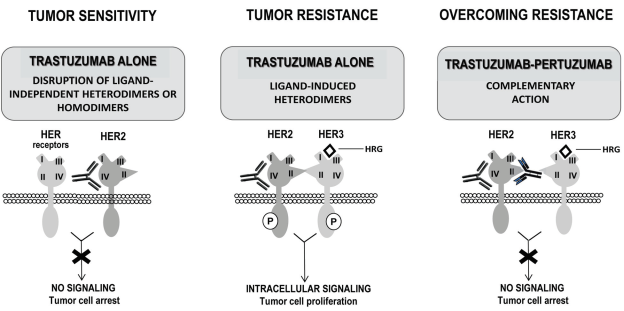
Each of these therapies works because the antibody component recognizes a protein that is overexpressed on the surface of specific tumor cells. For instance, the HER2 protein is found in high amounts on certain breast cancers, making it an excellent target for an ADC like Trastuzumab emtansine. The antibody part is derived from trastuzumab (Herceptin), a therapy that already targets HER2, but the ADC adds a powerful cytotoxic punch.
The Double-Edged Sword
While ADCs are more targeted than traditional chemotherapy, they are not without side effects. The clinical challenge is always to balance efficacy with safety. Toxicity can arise from a few different scenarios.
One is called "on-target, off-tumor" toxicity. This happens when the ADC's target antigen is also present, even at low levels, on healthy cells. The ADC can bind to and kill these healthy cells, leading to side effects. Another issue is the stability of the linker that connects the antibody and the payload. If the linker is not stable enough, the cytotoxic drug can detach prematurely and circulate in the bloodstream, causing damage to healthy tissues indiscriminately.
Common adverse effects of ADCs include fatigue, nausea, nerve damage (peripheral neuropathy), and suppression of bone marrow, which leads to low counts of red blood cells, white blood cells, and platelets.
Over time, cancer cells can also develop resistance to ADCs. This can happen in several ways. The tumor cells might reduce the amount of the target antigen on their surface, giving the ADC fewer places to bind. They could also develop mechanisms to pump the drug out of the cell before it can do its job, or they might alter their internal machinery to become insensitive to the payload's toxic effects.
Let's check your understanding of these approved therapies.
What are the three core components of an Antibody-Drug Conjugate (ADC)?
What is the primary function of the antibody component in an ADC?
Managing these challenges is a key part of using ADCs effectively in the clinic, requiring careful patient selection and monitoring for side effects and signs of resistance.