Advanced Clinical Music Therapy and Neuro-Rehabilitation
Neurological Rehabilitation Mechanisms
Music as a Brain-Building Tool
Your brain is not a fixed circuit. It constantly rewires itself based on experience, a process called neuroplasticity. When it comes to neurological rehabilitation, the goal is to guide this rewiring to restore lost function. Music is a uniquely powerful tool for this because it engages multiple brain regions simultaneously—auditory, motor, and emotional.
One key framework for understanding this is the 'Shared Affective Motion Experience' (SAME) model. It proposes that when we listen to music, our brains don't just process sound. We internally simulate the movements and emotions expressed in the music. The perceived pulse of a beat, the rise and fall of a melody—these elements trigger our motor system as if we were creating the sounds ourselves. This mirroring provides a blueprint for movement, helping the brain rebuild connections that control motor skills.
Playing a musical instrument is a rich and complex experience that involves integrating information from the senses of vision, hearing, and touch, as well as fine movements, and learning to do so can induce long-lasting changes in the brain.
This isn't just a passive process. The strong link between music, emotion, and movement creates a powerful feedback loop. The affective, or emotional, quality of the music motivates engagement, while the simulated motion provides a template for physical action. It’s this combination that makes music a potent driver of neuroplastic change.
The Reward System and Motivation
Rehabilitation is hard work. Sustaining motivation is a major challenge. This is where the brain's dopaminergic reward system comes in. When we listen to music we enjoy, our brains release dopamine, a neurotransmitter associated with pleasure and reward. This isn't just a fleeting good feeling; it's a core biological mechanism for reinforcing behaviour.
In a therapeutic context, this dopamine release has two critical functions. First, it makes the therapy session itself more engaging and less of a chore, improving patient compliance. Second, and more importantly, dopamine plays a crucial role in synaptic plasticity—the strengthening of connections between neurons. By pairing motor or cognitive exercises with pleasurable music, the dopamine released helps to solidify the new neural pathways being formed. It essentially tells the brain, "This is an important activity; remember how to do it."
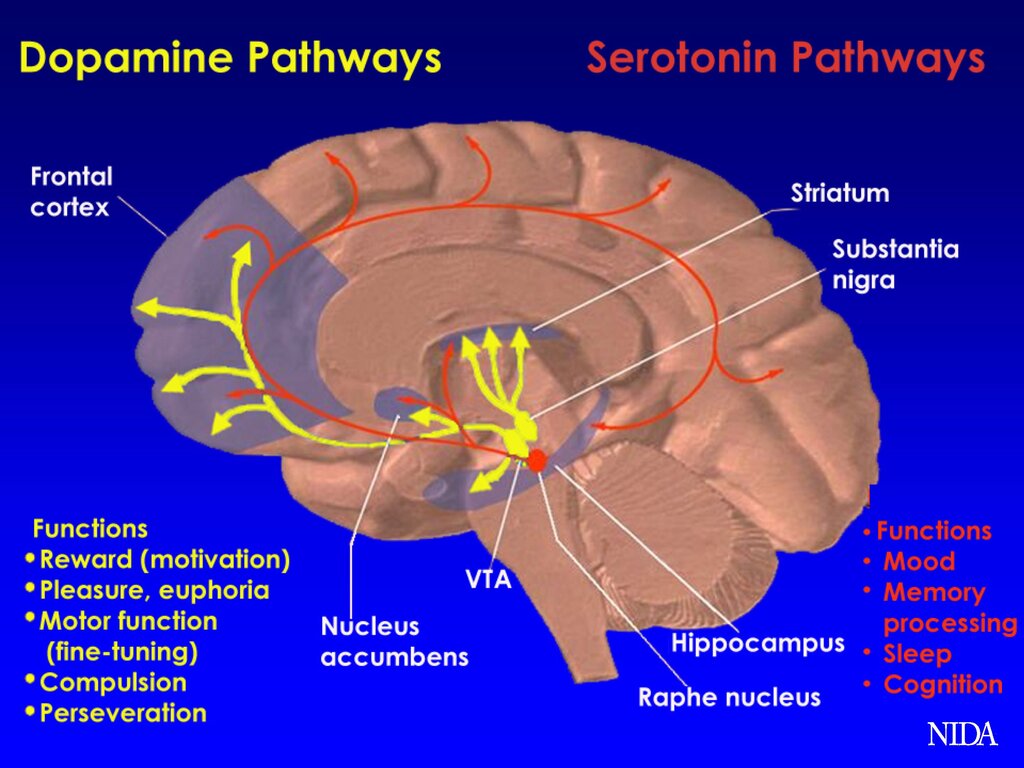
This mechanism links the enjoyment of music directly to the biological process of learning and recovery. The harmonic tension and resolution in a piece of music can create a cycle of anticipation and release, which is particularly effective at stimulating the reward system and enhancing the brain's ability to adapt.
Precision Tools for Recovery
Music therapy isn't a one-size-fits-all approach. Specific techniques are designed to target specific neurological deficits by carefully mapping musical parameters to neural circuits.
Rhythmic Auditory Stimulation
noun
A technique that uses a metronome-like rhythm to cue movement, helping to improve gait, balance, and motor timing.
For patients with Parkinson's disease or stroke survivors struggling with walking, Rhythmic Auditory Stimulation (RAS) is a primary intervention. Parkinson's affects the basal ganglia, the brain's internal timekeeper, leading to an inconsistent gait. RAS provides an external, predictable timing cue. The steady beat entrains the motor system, bypassing the damaged internal pacemaker and allowing for a smoother, more stable walking pattern. The tempo is precisely controlled and gradually increased as the patient's function improves.
For communication disorders, another technique called Melodic Intonation Therapy (MIT) is used, particularly for non-fluent aphasia resulting from damage to the left hemisphere's language centres, such as Broca's area. Patients often retain the ability to sing. MIT leverages this by teaching patients to intone short, functional phrases using simple, melodic patterns.
This technique engages the right hemisphere of the brain, which is more involved in processing melody and rhythm. By doing so, it encourages the brain to create new language pathways, effectively building a 'bridge' around the damaged left-hemisphere regions. It’s a classic example of using one brain system to compensate for another.
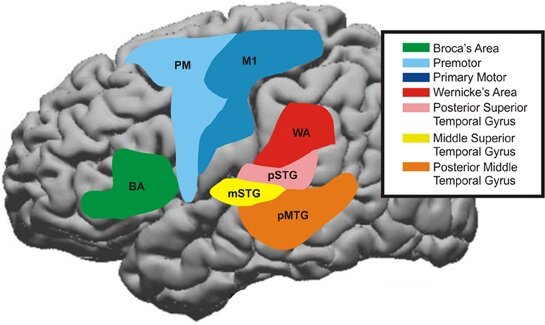
This principle of bilateral activation is a cornerstone of music-based stroke recovery. Because music is processed across both brain hemispheres, it stimulates widespread neural activity. This helps to strengthen connections across the corpus callosum—the bundle of nerves connecting the two halves of the brain—and promotes a more holistic functional reorganisation after injury.
Time to check your understanding of these core concepts.
What is the fundamental biological principle that allows music therapy to effectively help the brain recover from injury?
A stroke survivor with non-fluent aphasia due to damage in Broca's area is taught to sing short phrases like "I need water." Which therapy technique is being used?
By understanding these precise mechanisms, therapists can move beyond simply playing pleasant music and instead design targeted interventions that harness the brain's own capacity for change.