Advanced Circumpolar Studies
Indigenous Governance Models
Models of Self-Determination
Across the Circumpolar North, Indigenous peoples have forged unique paths to self-governance. These are not one-size-fits-all solutions but tailored frameworks that reflect distinct histories, cultures, and relationships with central states. Broadly, these arrangements can be seen as variations of three main types: public government, ethnic self-rule, and shared rule. Each model offers a different balance of territorial control, cultural authority, and political power, fundamentally shaping how Indigenous nations manage their resources and secure their future.
Public Government: The Nunavut Model
One of the most significant achievements in Indigenous self-determination is the creation of Nunavut in Canada. Established in 1999, Nunavut operates on a 'public government' model. This means its institutions serve all residents of the territory, regardless of ethnic background. However, since Inuit make up about 85% of the population, they have effective political control. The government conducts business in Inuktitut and English, and its policies are naturally shaped by Inuit culture and priorities.
This structure arose from the Nunavut Land Claims Agreement, the largest Indigenous land claim settlement in Canadian history. The agreement didn't create an ethnically exclusive government, but it did secure Inuit ownership of vast tracts of land and a share of resource royalties. It also mandated the creation of the new territory. Power continues to be transferred from the federal government to the territory in a process called devolution, giving Nunavut more control over its land and resources. This model demonstrates how demographic weight within a public system can be a powerful tool for self-determination.
Self-Rule and Sovereignty: The Case of Greenland
Greenland (Kalaallit Nunaat) presents a more extensive form of autonomy, often described as 'self-rule'. Though still formally part of the Kingdom of Denmark, Greenland exercises a high degree of sovereignty over its internal affairs. The pivotal moment was the 2009 Self-Government Act, which recognised the Greenlandic people as a people pursuant to international law with the right to self-determination.
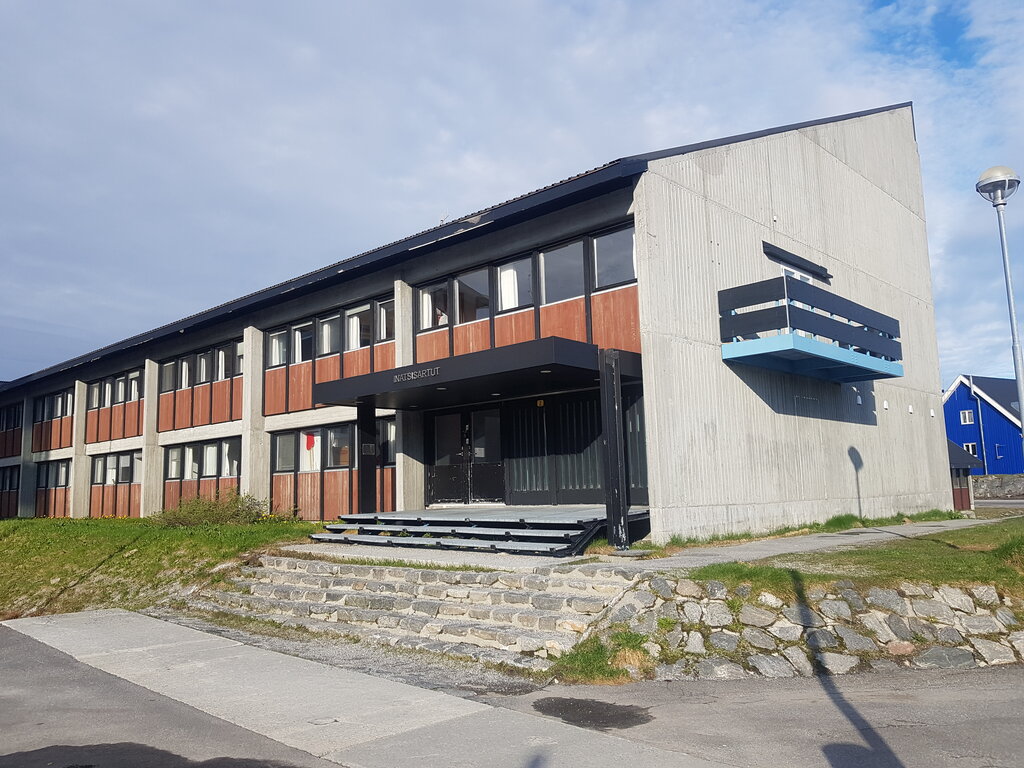
Under this act, Greenland assumed responsibility for most governing powers, including policing, the justice system, and importantly, management of its vast mineral and hydrocarbon resources. This is a crucial distinction from many other models. While Denmark still manages defence and foreign policy, the Self-Government Act explicitly outlines a path toward full independence, should the people of Greenland choose it. This framework provides a powerful lever for economic development and cultural preservation, placing control directly in the hands of the Kalaallit Inuit.
Greenlanders are among the only indigenous people in the world with their own parliament, political institutions and education system and who have maintained their own language.
Shared Rule: The Sámi Parliaments
In contrast to territorial models, the Sámi people of Norway, Sweden, and Finland use a 'shared rule' system. The Sámi homeland, called Sápmi, stretches across the northern parts of these three countries and Russia. Rather than governing a specific territory, the Sámi Parliaments (Sámediggi) are elected bodies that represent Sámi people across the nation-states. Their primary function is to act as consultative bodies, advising the national governments on issues affecting Sámi culture, language, and traditional livelihoods like reindeer herding.
These parliaments do not have legislative power over land or resources in the same way as Nunavut or Greenland. Their influence is primarily political and cultural. They manage funds for Sámi cultural initiatives and have a formal right to be heard in matters that concern them. While this model provides less direct control over territory, it gives the Sámi a dedicated institutional voice within the state structure, allowing them to advocate for their rights and preserve their culture across international borders. It’s a model of self-determination focused on people rather than place.
International Voice
Beyond national frameworks, Indigenous peoples of the Arctic have also built powerful institutions for international diplomacy. The most prominent of these is the Inuit Circumpolar Council (ICC). Representing approximately 180,000 Inuit in Alaska, Canada, Greenland, and Chukotka (Russia), the ICC advocates for Inuit rights and interests on the global stage. It is one of the six Indigenous organizations holding Permanent Participant status in the Arctic Council, the leading intergovernmental forum for Arctic issues.
This unique status allows the ICC and other Indigenous groups to sit at the table with foreign ministers from the eight Arctic states, contributing directly to discussions on environmental protection, sustainable development, and scientific research. It is a powerful example of how Indigenous peoples can exert influence beyond state borders, ensuring their collective voice is heard in decisions that shape the future of their homeland.
Now, let's test your understanding of these different governance models.
The establishment of Nunavut in Canada is a prime example of which model of Indigenous self-governance?
Under its 2009 Self-Government Act, Greenland gained control over most internal affairs, including its vast mineral and hydrocarbon resources.
These varied approaches to governance highlight the resilience and political sophistication of Indigenous nations in the Arctic. There is no single formula for self-determination, but a spectrum of strategies adapted to unique historical and political realities.