Advanced Chinese Culinary Traditions and Techniques
Northern Lu Tradition
The Imperial Kitchen's Foundation
Lu cuisine, from the coastal province of Shandong, is the cornerstone of Northern Chinese cooking. Its influence is so profound that it formed the basis of the imperial court's culinary style for centuries, especially during the Ming and Qing dynasties. The core philosophy is a relentless focus on xianwei (鲜味), a savoury, umami-rich freshness, accented with a clean saltiness rather than a riot of spices.
Shandong chefs are masters of creating complex flavour from seemingly simple, high-quality ingredients. They achieve this through an unparalleled command of heat and technique, particularly in their expert handling of broths and aromatics. The region’s proximity to the coast means seafood is central, but its techniques are applied across meats and vegetables with equal skill.
Masters of Fire and Flavour
Two techniques define the pinnacle of Lu cooking: Bao and Pa. While both involve a wok, they represent opposite ends of the spectrum in heat and time, designed to achieve very different textural results.
Bao (爆) is an explosion of heat. The wok is heated to a blistering temperature, often until shimmering, before oil and ingredients are added. The cooking process is incredibly fast, sometimes lasting less than a minute. This technique is designed to sear the exterior of an ingredient instantly, locking in its natural juices and creating a delightful texture known as wok hei—the 'breath of the wok'. This method is perfect for tender cuts of meat or delicate seafood that would be ruined by slow cooking.
A classic example of Bao is Scallion-Exploded Lamb, where thin slices of lamb are flash-fried with a large volume of scallions, resulting in meat that is tender and succulent with a charred, smoky aroma.
Pa (扒), on the other hand, is a gentle braise. It begins with briefly frying the main ingredient, which is then simmered slowly in a flavourful broth until it becomes incredibly tender and has absorbed all the surrounding flavours. This method is used for tougher cuts of meat or ingredients like sea cucumber and abalone, transforming them into melt-in-the-mouth delicacies. The final sauce is often thickened with a starch slurry to lightly coat the main ingredient.
The choice between these methods illustrates a core trade-off. For delicate seafood like prawns, Bao preserves their crisp texture and natural sweetness. Using Pa would make them mushy and overcooked. Conversely, a tough cut of poultry would remain inedible with the Bao technique, but becomes fall-off-the-bone tender with Pa. Mastering Lu cuisine means knowing precisely when to use intense, quick fire versus slow, patient simmering.
| Technique | Heat Level | Cooking Time | Best For | Resulting Texture |
|---|---|---|---|---|
| Bao (爆) | Extremely High | < 1 minute | Tender meats, seafood, offal | Seared, crisp, juicy |
| Pa (扒) | Low to Medium | 30+ minutes | Tougher meats, dried seafood | Soft, succulent, infused with sauce |
The Soul of the Broth
The foundation of many Lu dishes, especially those using the Pa technique, is the broth. Shandong chefs are renowned for their ability to prepare two distinct types of superior stock: clear broth (qingtang) and milky broth (naitang). The method for each is precise.
To make , ingredients like chicken, duck, and pork bones are simmered gently for hours, with the heat kept low enough to prevent a rolling boil. Scum is meticulously skimmed from the surface. The result is a crystal-clear, light-bodied liquid that is intensely flavourful, forming the base for delicate soups and braises.
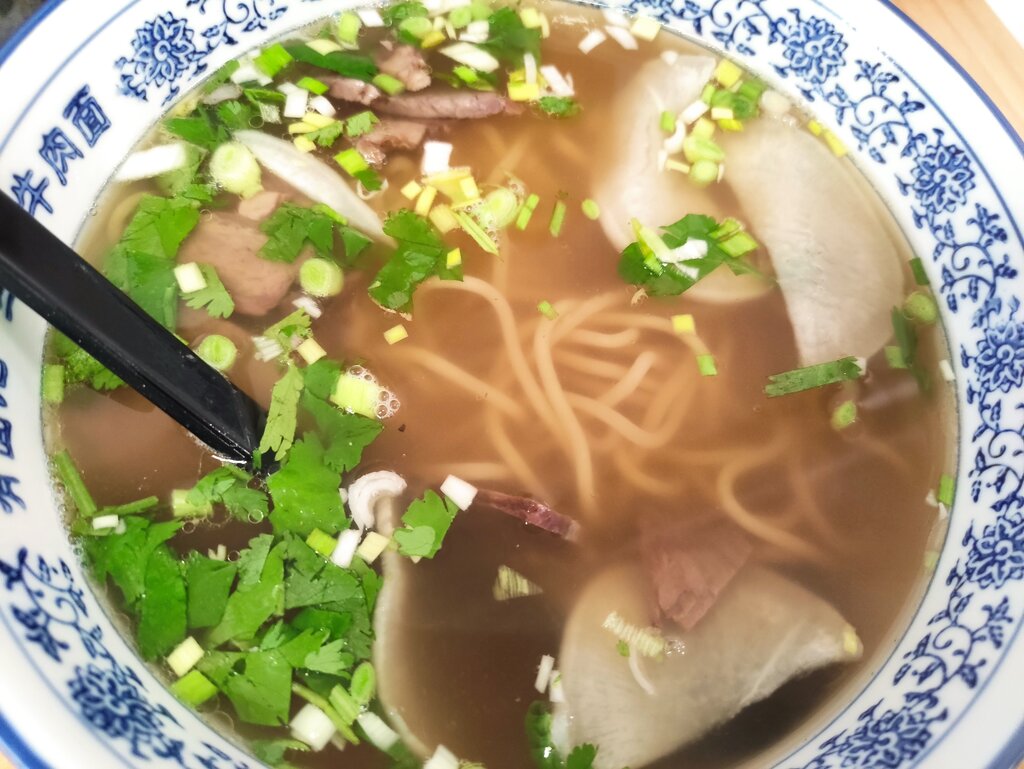
Naitang, by contrast, is made by boiling the same types of ingredients at a high, rolling boil for an extended period. This vigorous cooking emulsifies the fats and collagen from the bones and marrow into the water, creating a rich, opaque, and creamy-white broth. This hearty stock is used for robust noodle soups and stews where a richer mouthfeel is desired.
The technique of creating an aromatic base—typically minced ginger, garlic, and scallion whites sautéed in oil—is fundamental to Chinese cooking.
This principle is amplified in Lu cuisine. Instead of being a subtle background note, aromatics like large scallions and garlic are often the star. In dishes like Braised Sea Cucumber with Scallions, whole scallion stalks are first fried to release their deep, sweet flavour into the oil before being used in the final braise, infusing the entire dish with their essence.
Seafood preservation was also a key skill. Before modern refrigeration, Shandong cooks mastered methods of salting and air-drying fish, prawns, and molluscs. This not only preserved the catch but also concentrated its flavour, creating ingredients with an intense umami punch that could then be rehydrated and used in stews and braises, adding a unique depth that fresh seafood couldn't provide.
Let's check your understanding of these core principles.
What is the core flavour philosophy of Lu cuisine, often described as its guiding principle?
A chef wants to cook delicate, fresh prawns to preserve their crisp texture and natural sweetness. Which Lu technique is most appropriate?
From the explosive heat of Bao to the slow simmer of Pa, Lu cuisine is a masterclass in extracting maximum flavour through technique. Its focus on broth and aromatics created a sophisticated culinary system that rightfully earned its place in the emperor's court.