Advanced ChatGPT Project Workflows
Advanced Prompt Engineering
Beyond Single Questions
You've moved past asking ChatGPT simple questions. Now, you want to use it for complex project management tasks, like planning a product launch or mapping out a new feature. A single, massive prompt won't cut it. The AI will lose focus, miss details, and give you a generic, unhelpful response.
To tackle big projects, you need to break them down. Instead of giving the AI one huge task, you guide it through a series of smaller, connected steps. This is the core of advanced prompt engineering.
Multi-stage prompting breaks big requests into smaller, linked steps so ChatGPT can build on each answer for better accuracy and depth.
This approach isn't just about getting better answers. It's about turning the AI into a collaborator that builds on context, maintains focus, and helps you work through a problem systematically. Two powerful techniques for this are prompt chaining and creating agentic workflows.
Prompt Chaining
Prompt chaining is like having a conversation with a purpose. You give the AI a task, it gives you a response, and you use that output to build your next prompt. Each step builds on the last, creating a chain of context that keeps the AI focused.
Imagine you need to create a project plan for a new mobile app feature. Instead of asking for the whole plan at once, you chain the prompts.
Prompt 1: "First, identify the top 5 key stakeholders for a new in-app chat feature. For each stakeholder, list their primary interest."
Prompt 2: "Great. Based on those stakeholders, draft a list of 10 potential risks for this project, categorized by type (e.g., technical, resource, schedule)."
Prompt 3: "Using that risk list, propose a specific mitigation strategy for each of the top 3 most critical risks."
See how it works? Each prompt is a manageable chunk. You're guiding the AI step-by-step, ensuring the quality of each output before moving on. This method prevents the AI from getting overwhelmed and producing low-quality, generalized content. It forces a logical progression, just like a real project.
This iterative process gives you control. If an output isn't right, you can correct the AI in the next prompt, refining the direction without starting over.
Agentic Workflows
Agentic workflows take this a step further. Here, you're not just chaining prompts; you're creating a system where the AI can perform a sequence of tasks with more autonomy. You give it a high-level goal, a set of tools or instructions, and the ability to self-correct or plan its next steps.
Think of it as promoting the AI from an intern you have to micromanage to a project coordinator who can handle a multi-step task on their own. For example, you could task an AI agent with monitoring project updates.
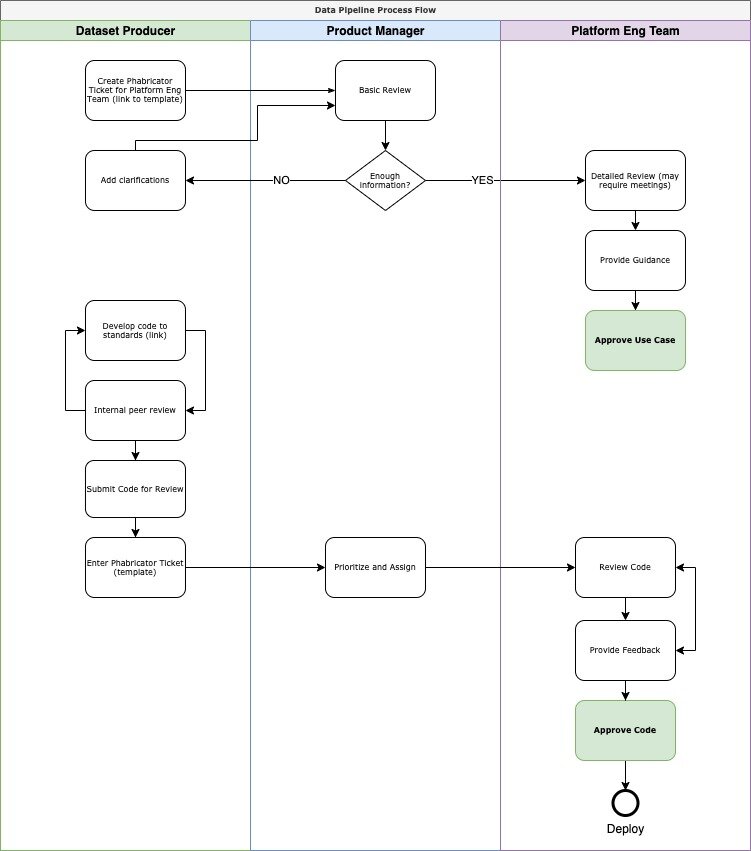
An agentic workflow for this might look like:
- Goal: Summarize weekly project progress and flag blockers.
- Process: Every Friday, access the project management tool's API. Pull all tickets moved to 'Done' and all tickets marked as 'Blocked'.
- Action: Generate a summary of completed work. For each blocked ticket, identify the owner and the reason for the block.
- Output: Draft an email to the project lead with the summary and the list of blockers.
While this level of automation often requires specialized tools or coding, the mindset is what's important. You are designing a system for the AI to operate within, giving it a clear goal and the steps to get there. It moves from simple question-and-answer to a more robust, independent workflow.
Both prompt chaining and agentic workflows are about breaking down complexity. By guiding the AI through a logical sequence, you improve its focus, enhance the quality of its output, and transform it into a more powerful tool for systematic problem-solving.
Ready to test your knowledge on these advanced techniques?
Why is it ineffective to use a single, massive prompt for a complex task like planning a product launch?
What is the fundamental concept behind prompt chaining?
By mastering these methods, you can delegate more complex parts of project management to an AI, freeing you up to focus on strategy and leadership.