Advanced Cardiac Anatomy
Heart Anatomy Basics
A Two-Sided Pump
Your heart is essentially two pumps working side-by-side. The right side handles oxygen-poor blood, while the left side manages oxygen-rich blood. Each side has two chambers: a receiving chamber on top called an atrium, and a pumping chamber below called a ventricle.
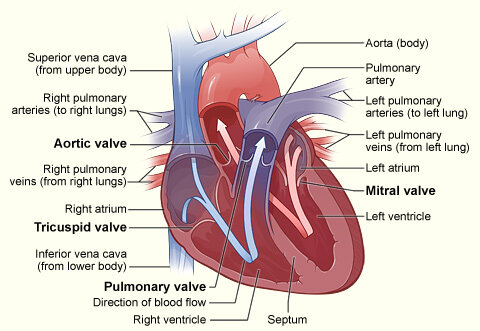
Let's follow the journey of blood, starting on the right side. All the used, oxygen-poor blood from your body returns to the heart through two large veins. The superior vena cava collects blood from the upper body, and the inferior vena cava collects it from the lower body. Both empty into the first chamber: the right atrium.
The right atrium's job is simple: it's a holding area for deoxygenated blood before it moves on to the next step.
From the right atrium, the blood passes into the chamber below it, the right ventricle. This chamber is much more muscular because it has to pump the blood out of the heart. The right ventricle contracts and sends the deoxygenated blood into the pulmonary arteries, which lead directly to the lungs. There, the blood will drop off carbon dioxide and pick up a fresh supply of oxygen.
The Oxygenated Side
Once the blood is re-oxygenated in the lungs, it needs to get back to the heart to be pumped out to the rest of the body. This is where the left side takes over. The fresh, oxygen-rich blood travels from the lungs to the left atrium through the pulmonary veins.
Unlike the pulmonary arteries which carry oxygen-poor blood, the pulmonary veins carry oxygen-rich blood. This is a key exception to the general rule of arteries and veins.
The left atrium, like its counterpart on the right, acts as a receiving chamber. It holds the oxygenated blood briefly before it moves into the heart's most powerful chamber: the left ventricle. The left ventricle has a thick, muscular wall because it needs to generate enough force to pump blood to every part of your body, from your brain to your toes.
With a powerful contraction, the left ventricle pushes the oxygenated blood into the aorta, the largest artery in the body. The aorta branches out into a network of smaller arteries, delivering oxygen to all your tissues and organs, completing the cycle.
| Structure | Chamber/Vessel | Type of Blood | Destination |
|---|---|---|---|
| Vena Cavae | Vessel | Deoxygenated | Right Atrium |
| Right Atrium | Chamber | Deoxygenated | Right Ventricle |
| Right Ventricle | Chamber | Deoxygenated | Lungs (via Pulmonary Artery) |
| Pulmonary Artery | Vessel | Deoxygenated | Lungs |
| Pulmonary Veins | Vessel | Oxygenated | Left Atrium |
| Left Atrium | Chamber | Oxygenated | Left Ventricle |
| Left Ventricle | Chamber | Oxygenated | Body (via Aorta) |
| Aorta | Vessel | Oxygenated | Rest of the Body |
Ready to test your knowledge of the heart's basic anatomy?
Which chamber of the heart receives oxygen-poor blood returning from the body?
After blood leaves the right ventricle, where does it travel to next?