Advanced Calisthenics Mastery
Fundamental Strength
The Building Blocks of Strength
Before you can master impressive calisthenics skills, you need a strong foundation. Think of it like building a house. You wouldn't put up walls on soft ground, right? The same principle applies to your body. Mastering a few fundamental exercises builds the raw strength and stability needed for more advanced movements. These basics are your ticket to progress and help prevent injuries down the line.
Focus on mastering basic exercises before progressing to more advanced moves.
Pushing and Pulling Power
Upper body strength in calisthenics is built on three core movements: the push-up, the pull-up, and the dip. Each targets different muscle groups, creating a balanced and powerful upper body.
The push-up is a classic for a reason. It works your chest, shoulders, and triceps. To perform one correctly, start in a plank position with your hands slightly wider than your shoulders. Keep your body in a straight line from your head to your heels. Lower yourself until your chest nearly touches the floor, then push back up to the starting position. Avoid letting your hips sag or rise too high.
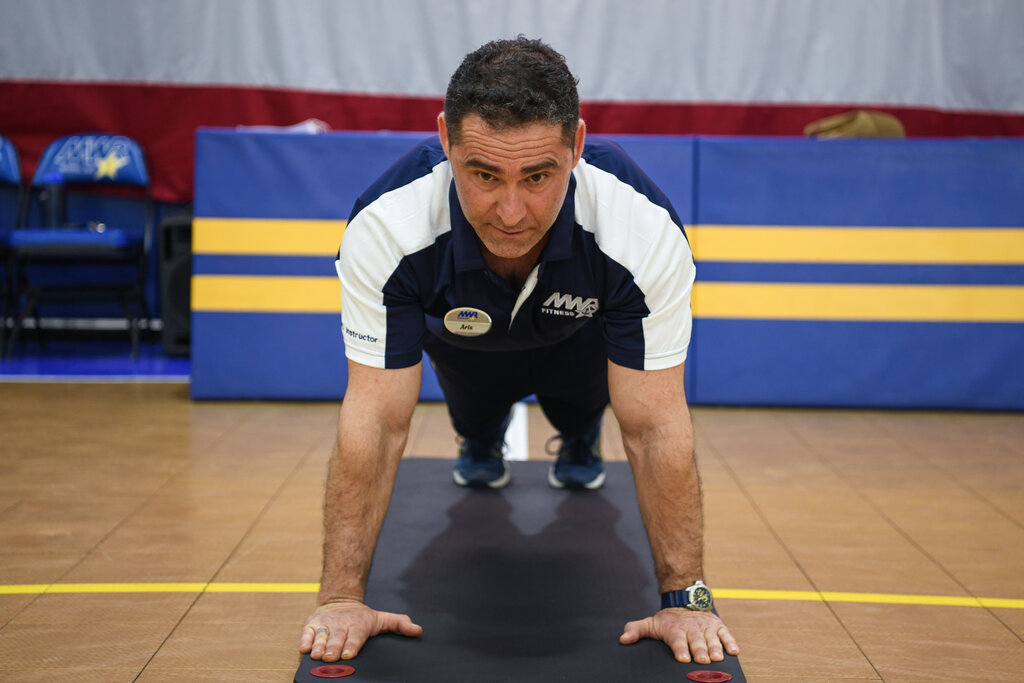
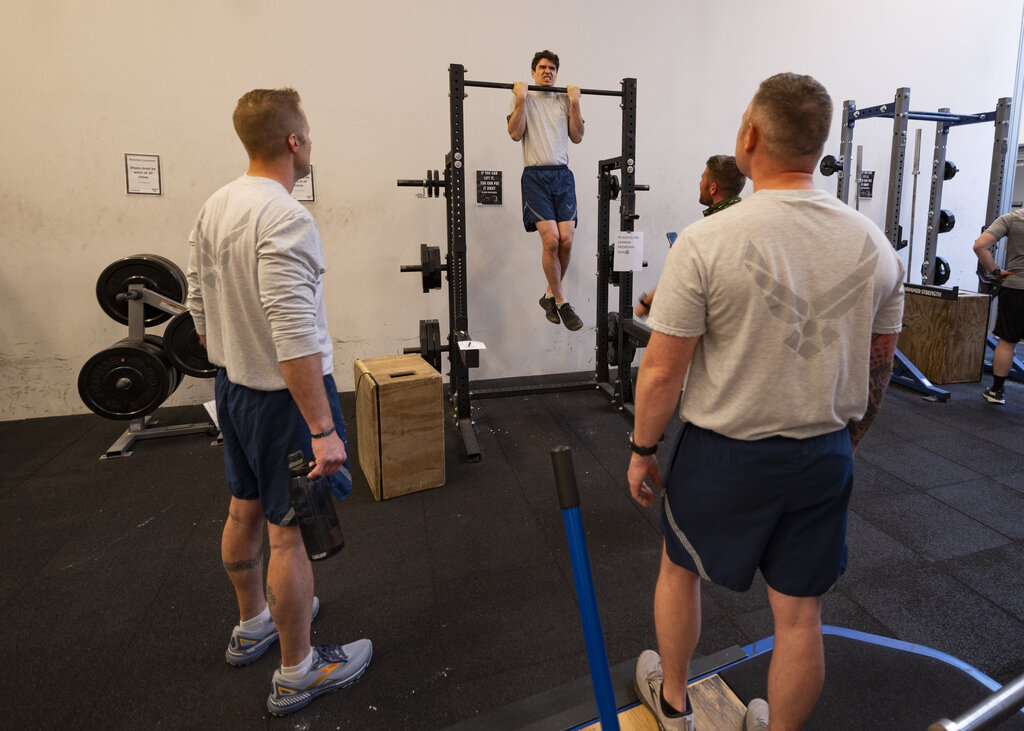
Next is the pull-up, the ultimate test of back and bicep strength. Grab a pull-up bar with your palms facing away from you, slightly wider than your shoulders. Hang with your arms fully extended. Pull yourself up until your chin clears the bar, focusing on squeezing your back muscles. Lower yourself back down slowly and with control. Don't swing your body to gain momentum.
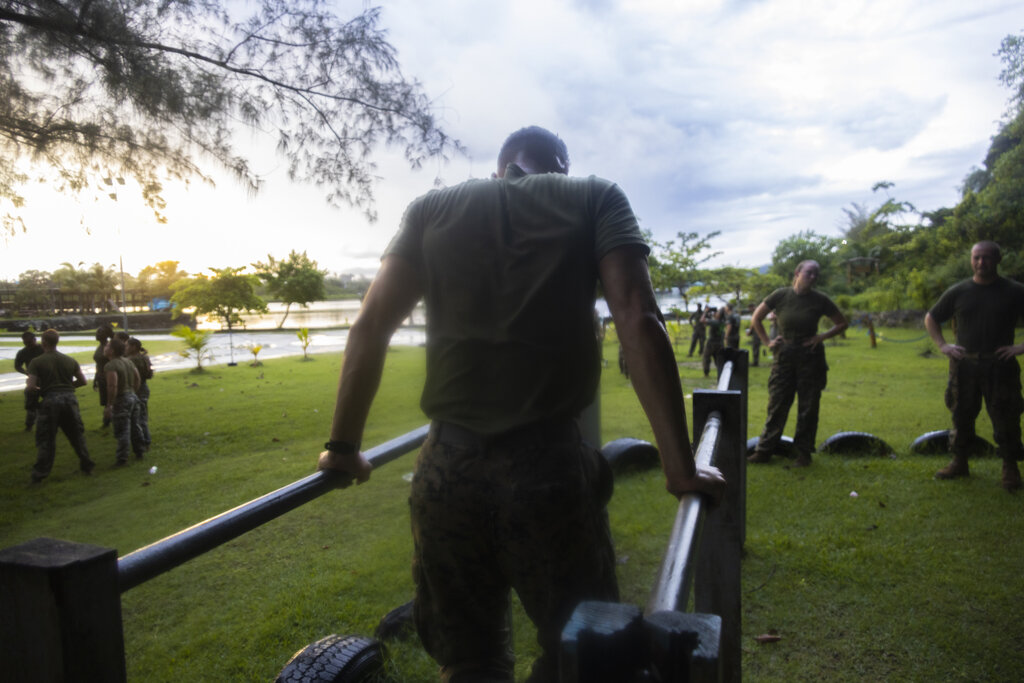
Dips primarily target the chest and triceps. Using parallel bars, support your body with your arms straight. Lower your body by bending your elbows until your shoulders are just below them. Push back up to the starting position. Lean forward slightly to engage more of your chest, or stay upright to focus more on your triceps.
A Solid Foundation
A strong upper body is only half the picture. Your legs and core provide the stability and power for almost every movement. Neglecting them is a common mistake.
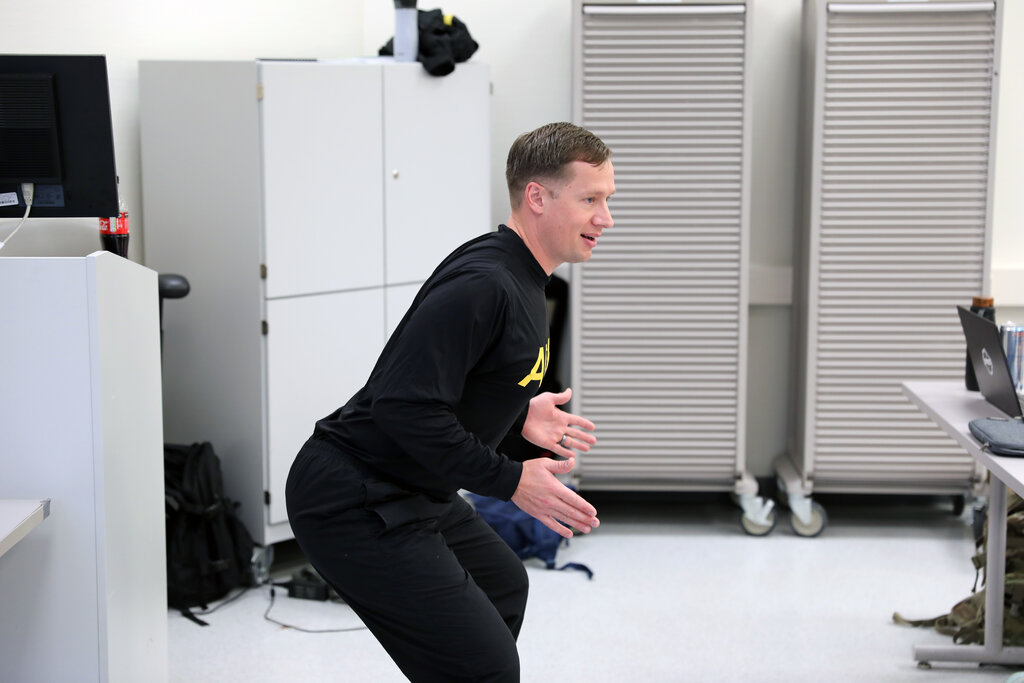
The bodyweight squat is the cornerstone of leg strength. It works your quads, hamstrings, and glutes. Stand with your feet shoulder-width apart, toes pointing slightly outward. Keeping your chest up and back straight, lower your hips as if you're sitting in a chair. Go as low as you can while maintaining good form, then drive through your heels to return to the starting position.
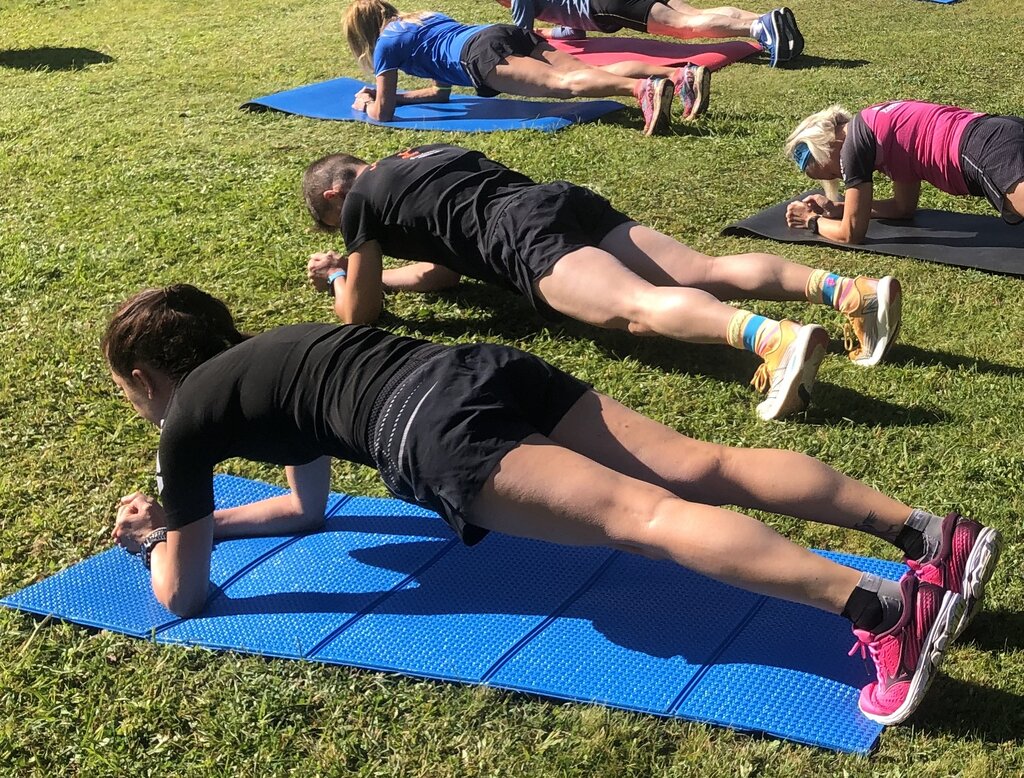
A strong core links your upper and lower body. The plank is a fantastic exercise for building core endurance and stability. You can perform it on your forearms or hands. The key is to maintain a perfectly straight line from your head to your heels. Squeeze your abs and glutes, and resist the urge to let your hips drop.
To target the lower abdominals, add leg raises to your routine. Lie on your back with your legs straight. Place your hands under your lower back for support if needed. Keeping your legs straight, slowly raise them until they are perpendicular to the floor. Then, slowly lower them back down without letting them touch the ground.
Now, let's test what you've learned about these foundational exercises.
What is the primary purpose of mastering fundamental calisthenics exercises like push-ups and squats before moving to advanced skills?
When performing a push-up, which of the following is a key element of correct form?
Mastering these six exercises will build the strength, stability, and control you need to safely advance in your calisthenics journey. Focus on perfect form over the number of repetitions.