Advanced Calisthenics Mastery
Core Strength Foundations
Your Core Is Your Foundation
Before you can master impressive calisthenics moves like the muscle-up or human flag, you need to build a strong foundation. That foundation is your core. It's more than just a six-pack; it includes your entire midsection—abs, obliques, and lower back muscles. Think of it as the central link connecting your upper and lower body. A weak core is like building a skyscraper on sand. Everything will be unstable.
A powerful core provides the stability and control needed for every complex movement. It helps transfer force efficiently, allowing you to move with power and grace while protecting your spine from injury.
A strong core is the foundation of good balance.
Mastering the Plank
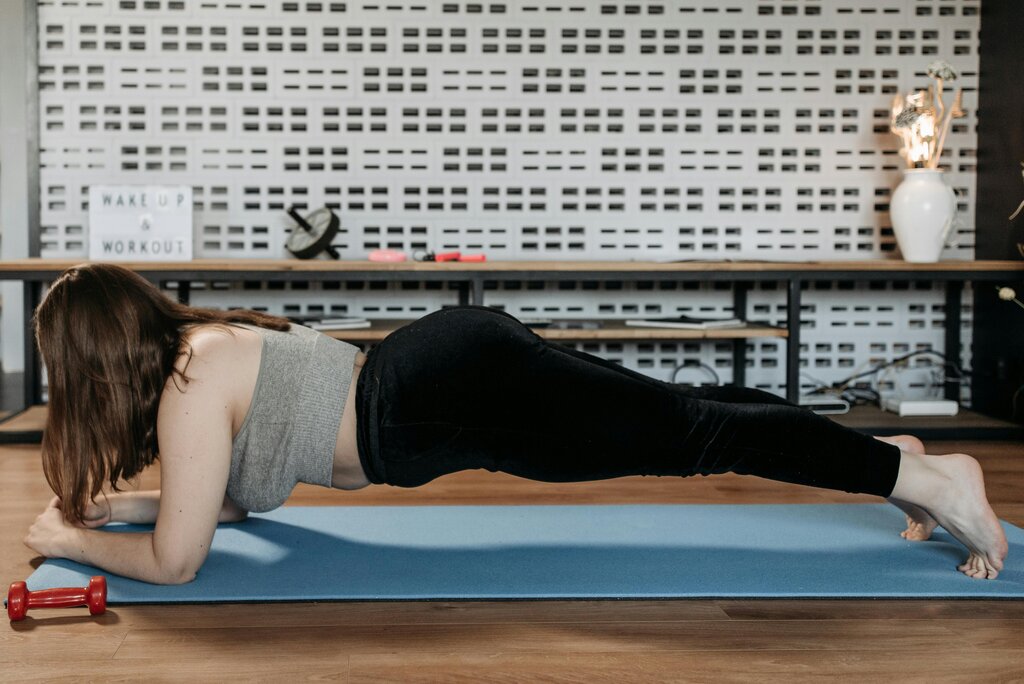
The plank is a fundamental exercise for building core endurance. It teaches you how to brace your entire midsection, creating total-body tension. The goal is to hold a perfectly straight line from your head to your heels.
To perform a standard forearm plank, place your forearms on the floor with your elbows directly under your shoulders. Extend your legs straight back, resting on your toes. Squeeze your glutes and abs, and avoid letting your hips sag or rise too high. Look at the floor to keep your neck in a neutral position.
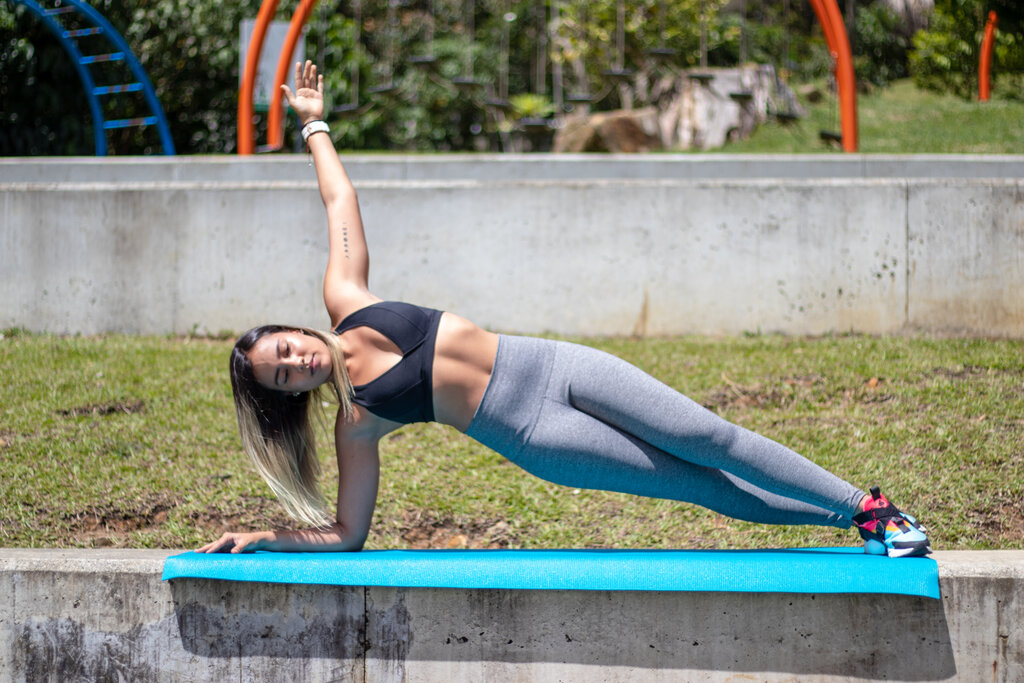
Once you're comfortable with the standard plank, you can target the sides of your core with the side plank. This variation builds strength in the obliques, which are crucial for rotational stability.
From a standard plank position, shift your weight onto one forearm and the side of the corresponding foot. Stack your feet or place one in front of the other for balance. Lift your hips so your body forms a straight line, and extend your top arm towards the ceiling. Hold the position, then switch sides.
Building Dynamic Strength
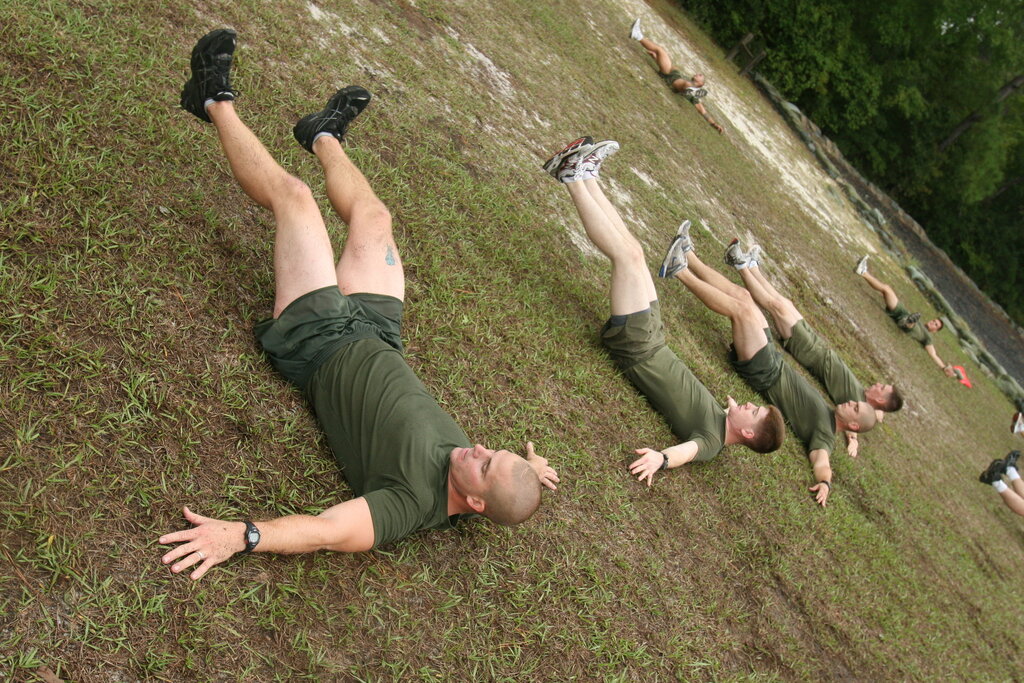
While static holds build endurance, dynamic exercises build strength through movement. Leg raises are a classic way to target your lower abdominal muscles.
Lie on your back with your legs straight and together. Place your hands under your lower back for support or flat on the floor beside you. Slowly raise your legs until they are perpendicular to the floor. The key is to keep your lower back pressed into the floor throughout the movement. Lower your legs with control, stopping just before they touch the ground to maintain tension.
Two other essential holds are the Hollow Body Hold and the Superman. They work opposing muscle groups and teach you to create a solid, braced body shape.
The hollow body hold is the foundation for many gymnastics and calisthenics skills. Lie on your back and press your lower back firmly into the floor. Extend your arms and legs, lifting your head, shoulders, and feet a few inches off the ground. Your body should form a gentle curve, like a shallow boat.
The feeling you're aiming for in a hollow body hold is a deep tightening in your abs. Your entire body should be tense.
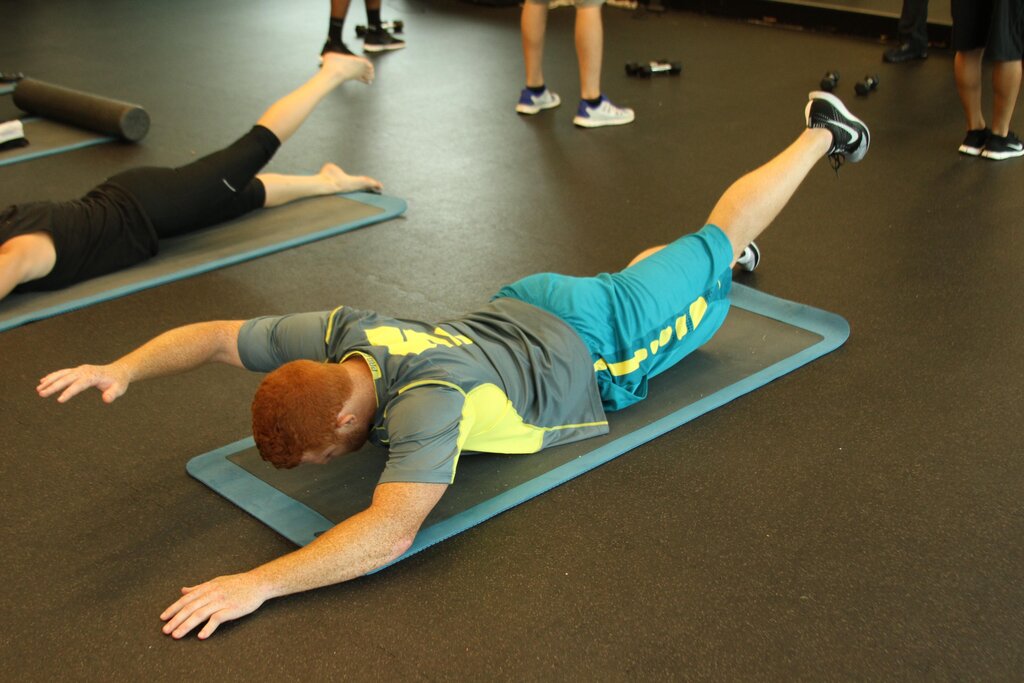
The Superman hold strengthens your posterior chain, which includes your lower back, glutes, and hamstrings. This is the perfect counterbalance to all the abdominal work.
Lie on your stomach with your arms and legs extended. Simultaneously lift your arms, chest, and legs off the floor, keeping your neck in a neutral position. Squeeze your glutes and lower back to hold the position.
Ready to test your foundational strength?
What is the primary function of the core in calisthenics, according to the provided text?
When performing a standard forearm plank, where should your elbows be positioned?
Consistently practicing these exercises will build the solid core you need for more advanced skills. Focus on perfect form over longer hold times or more reps.