Advanced Business Persuasion
Foundations of Persuasion
The Psychology of Saying Yes
Persuasion isn't about slick tricks or a magic turn of phrase. It’s a science, rooted in the predictable ways our brains take shortcuts to make decisions. We are all wired with certain automatic responses that guide our behavior, and understanding these triggers is the first step to becoming more influential.
Think about the last time you left a tip at a restaurant. If the server brought mints with the check, you might have tipped a little more. This isn't just a coincidence. The small, unexpected gift triggers a psychological principle called reciprocity. We feel a subtle obligation to give something back when we receive something first. This principle is at work everywhere, from a free sample at the grocery store to a helpful piece of advice from a colleague.
At its core, persuasion is about understanding human behavior and employing specific techniques to appeal to individuals on a subconscious level.
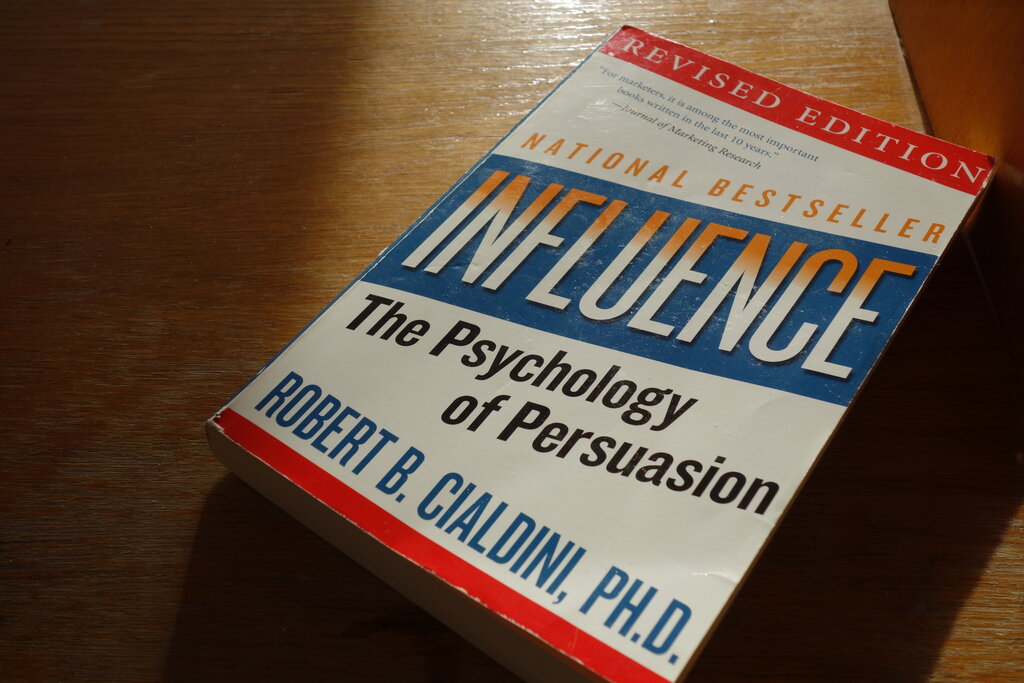
Psychologist Dr. Robert Cialdini spent years studying what makes people say "yes." He found that a few key principles of influence consistently shape our choices. These aren't complex formulas but fundamental aspects of human nature. Recognizing them helps you see why certain requests are so compelling.
The Foundation of Influence
Before any technique or principle can work, you need a solid foundation. In persuasion, that foundation is trust. Without it, your arguments will be dismissed and your efforts will fall flat. Credibility is the currency of influence.
Trust, or rapport, is the foundation of ethical persuasion.
So how do you build it? Trust comes from a combination of expertise and honesty. People need to believe that you know what you're talking about and that you're being truthful with them. This means being reliable, transparent, and consistent over time. It’s about showing, not just telling.
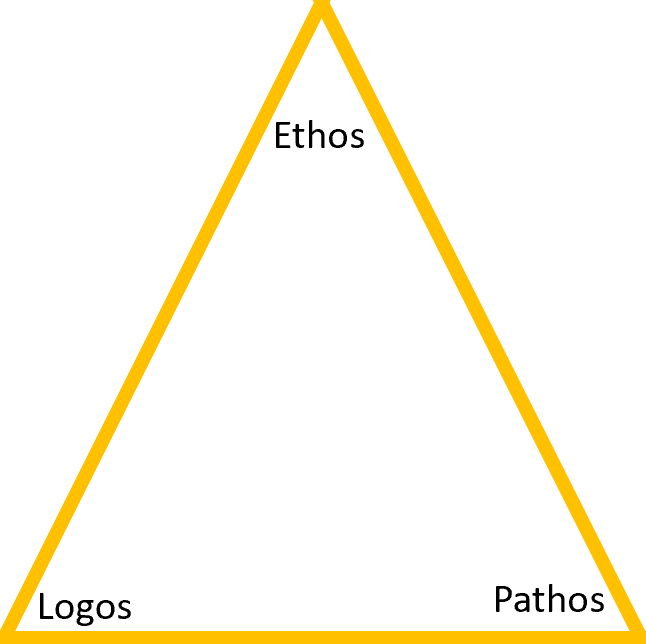
The ancient Greeks had a framework for this. Over 2,000 years ago, Aristotle laid out three pillars of persuasive communication. These modes of persuasion, known as Ethos, Pathos, and Logos, are just as relevant today.
| Appeal | Meaning | How it works |
|---|---|---|
| Ethos | Credibility & Character | Establishes you as a trustworthy source. This comes from your reputation, expertise, and how you present yourself. |
| Logos | Logic & Reason | Appeals to the audience's intellect with facts, data, and well-structured arguments. |
| Pathos | Emotion & Values | Connects with the audience's feelings, making your message more personal and memorable. |
A strong persuasive effort balances all three. Relying only on logic can make you seem cold. Using only emotion can feel manipulative. And without credibility, nothing else matters.
The Ethical Compass
The power to persuade comes with responsibility. There is a fine line between persuasion and manipulation, and it's defined by intent and transparency. Persuasion aims to create a win-win outcome, helping someone see a viewpoint or make a decision that is genuinely in their best interest.
Manipulation
noun
The act of influencing someone for one's own benefit through unfair, deceptive, or abusive methods.
Ethical persuasion, on the other hand, is built on truth. It respects the other person's autonomy, giving them the space and honest information to make their own choice. It's not about tricking someone into agreement; it's about building a bridge of understanding.
An ethical approach asks: Is the information I'm presenting accurate? Is the outcome mutually beneficial? Am I respecting the other person's right to choose freely?
When you persuade ethically, you build long-term relationships. People are more likely to trust you in the future if they feel respected, not coerced. This fosters collaboration and strengthens your influence in a sustainable way.
Ready to check your understanding? This quiz will test you on the core concepts of persuasion we've covered.
According to the text, what is the most critical foundation for effective persuasion?
A coffee shop gives you a free sample of a new pastry. According to the principles discussed, why might this make you more likely to buy a full-sized pastry?
Understanding these foundations—the psychology, the importance of credibility, and the ethical lines—is the starting point for becoming a more effective and respected communicator.