Advanced Building Science Principles
Heat Transfer Mechanisms
How Heat Moves Through Buildings
Heat naturally flows from warmer areas to cooler ones, always seeking a balance. In a building, this movement happens through three distinct processes: conduction, convection, and radiation. While you may know the basic definitions, their interplay within a building's structure is what determines its energy efficiency and comfort. They don't act in isolation; they work together to move heat into, out of, and through a building's envelope.
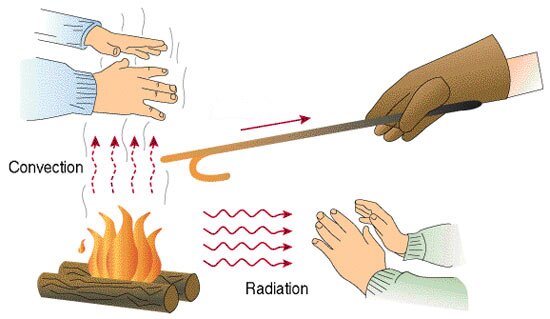
Conduction is the transfer of heat through direct contact. In buildings, this happens when heat moves through solid materials. Think of the warmth from the sun-baked exterior of a brick wall slowly making its way to the cooler interior surface. The effectiveness of a material at resisting this flow is its thermal resistance, or R-value. Materials like insulation have high R-values, while materials like steel and concrete have low R-values, allowing heat to pass through them easily.
Convection involves heat transfer through the movement of fluids, like air or water. Inside a building, this is most apparent with air circulation. Warm air rises and cool air sinks, creating convection currents that distribute heat throughout a room. This process is also what drives heat loss through drafts and air leaks in the building envelope. A poorly sealed window allows cold outdoor air to seep in, displacing the warm indoor air.
Radiation is the transfer of heat through electromagnetic waves. It doesn't require a medium. The most significant source of radiant heat for a building is the sun. Solar radiation passes through windows and is absorbed by floors and furniture, warming the interior. Conversely, on a clear night, a warm roof radiates heat out to the cold sky, cooling the building down. Modern windows often use low-emissivity (low-e) coatings to reflect this infrared radiation, keeping heat in during the winter and out during the summer.
The Weak Link
Even with the best insulation, a building can still lose significant amounts of energy. The culprit is often thermal bridging, which occurs when a highly conductive material creates a path of least resistance for heat to flow across a thermal barrier.
Thermal bridges are areas where heat can easily bypass insulation—like metal studs, window frames, or even gaps in installation.
These bridges act like highways for heat, undermining the performance of the surrounding insulation. A common example is a steel stud in an insulated wall. Steel conducts heat much more effectively than the insulation around it, creating a direct path for heat to escape in the winter or enter in the summer. Other typical thermal bridges include concrete slabs that extend from the interior to the exterior, metal window frames, and fasteners that penetrate insulation.
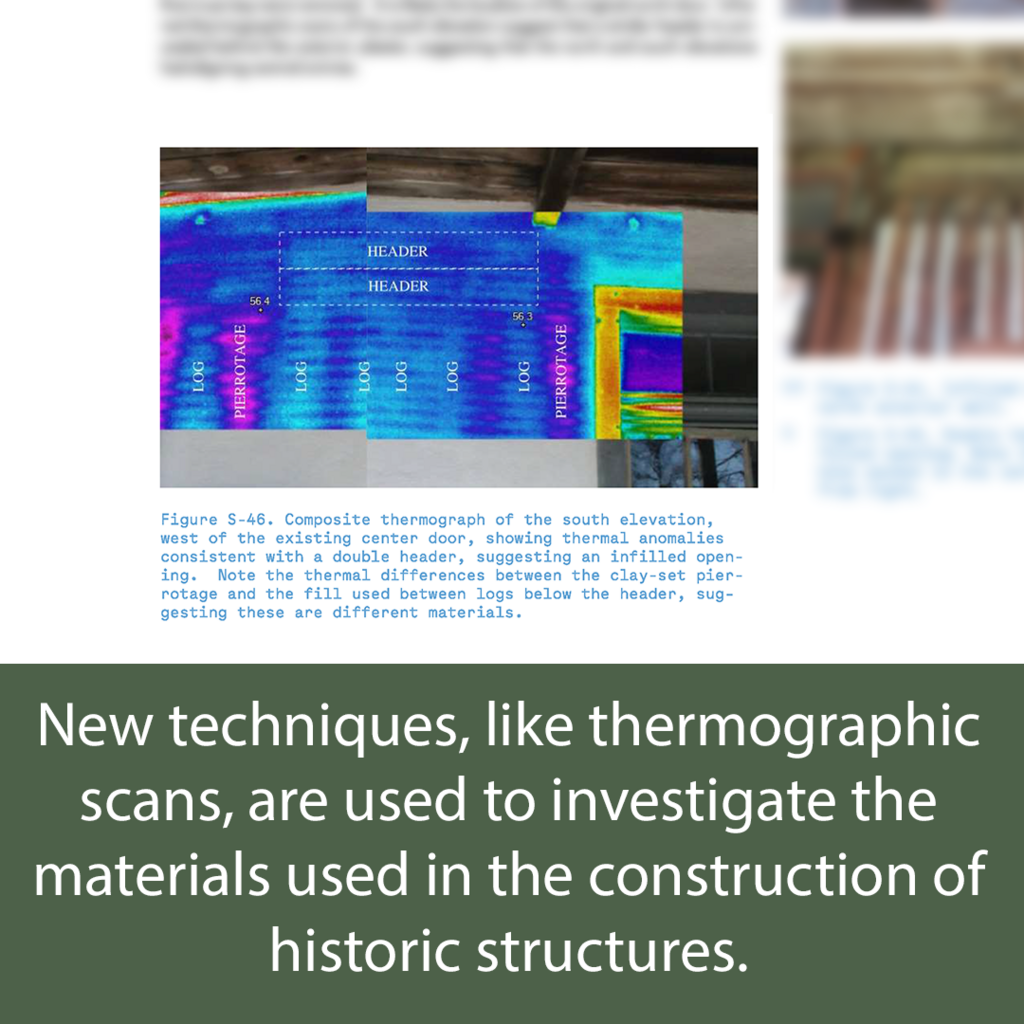
The consequences of thermal bridging go beyond just energy loss. Because the interior surface of a thermal bridge is colder than the surrounding wall, it can become a site for condensation. When warm, moist indoor air comes into contact with this cold surface, the water vapor can condense into liquid. This moisture can lead to mold growth, rot, and damage to building materials, posing risks to both the structure's integrity and the health of its occupants.
Finding and Fixing Bridges
Identifying thermal bridges is the first step toward mitigating them. During the design phase, architects and engineers can analyze blueprints to spot potential problem areas where conductive materials interrupt the insulation layer. For existing buildings, infrared thermography is an invaluable tool. An IR camera can detect temperature differences across surfaces, making thermal bridges visibly apparent as cooler spots in winter or warmer spots in summer.
Once identified, mitigation strategies focus on creating a continuous thermal barrier. Here are some common approaches:
Continuous Exterior Insulation: Applying a layer of rigid foam insulation over the exterior sheathing covers the framing members, effectively breaking the thermal bridge.
Thermal Breaks: Incorporating a material with low thermal conductivity to separate conductive components. For example, modern aluminum window frames often include a plastic or rubber thermal break between the interior and exterior frame components.
Advanced Framing: Using construction techniques that reduce the amount of wood or steel framing in a wall, such as wider stud spacing or using insulated headers. This reduces the overall area susceptible to thermal bridging.
By understanding how heat moves and where the weak points are, we can design and build more resilient, comfortable, and energy-efficient buildings. Let's test your understanding of these concepts.
A construction company is choosing materials for a new energy-efficient home in a cold climate. Which material property is most important for resisting heat loss through the walls via conduction?
On a cold winter day, you feel a draft near a poorly sealed window, even when it's closed. This is primarily an example of heat being transferred by which process?
Effectively managing heat transfer is fundamental to modern building science.