Advanced Boutique Style Sewing
Fabric Selection
The Language of Fabric
The difference between a good garment and a great one often comes down to the fabric. High-end clothing feels different because it's made from materials chosen with purpose. Understanding the language of fabric—its weight, its drape, how it’s made—is the first step to creating pieces with that boutique quality.
Fabrics generally fall into two main families: natural and synthetic. Natural fibers come from plants and animals. Think of cotton, linen, silk, and wool. They tend to be breathable and have a rich, organic texture. Synthetics, like polyester, nylon, and rayon, are man-made. They often offer durability, wrinkle resistance, and stretch that natural fibers can't match. Many modern luxury fabrics are actually blends, combining the best properties of both worlds.
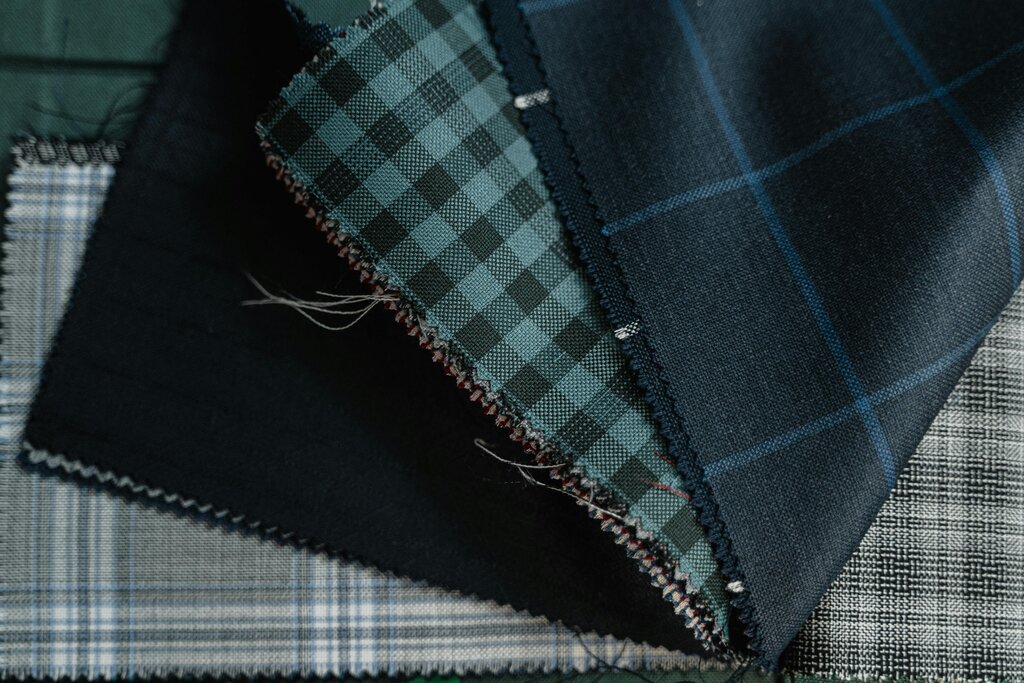
For example, a silk-cotton blend might have the softness and luster of silk with the breathability and structure of cotton. A touch of spandex in a wool crepe can give a tailored blazer just enough flexibility for comfortable, all-day wear. The key is to know what you want the final garment to do and choose a fiber that supports that vision.
Weight and Drape
Beyond the fiber type, two of the most important qualities of a fabric are its weight and drape. These two characteristics are closely linked and have a massive impact on a garment's silhouette.
Weight is straightforward: it's how heavy the fabric is. It’s often measured in grams per square meter (GSM) or ounces per square yard. A lightweight chiffon might be under 100 GSM, while a heavy wool coating could be over 400 GSM. Weight affects warmth, structure, and opacity.
Drape describes how a fabric hangs and falls under its own weight. Does it flow softly, like silk charmeuse, or does it stand away from the body, like a stiff organza?
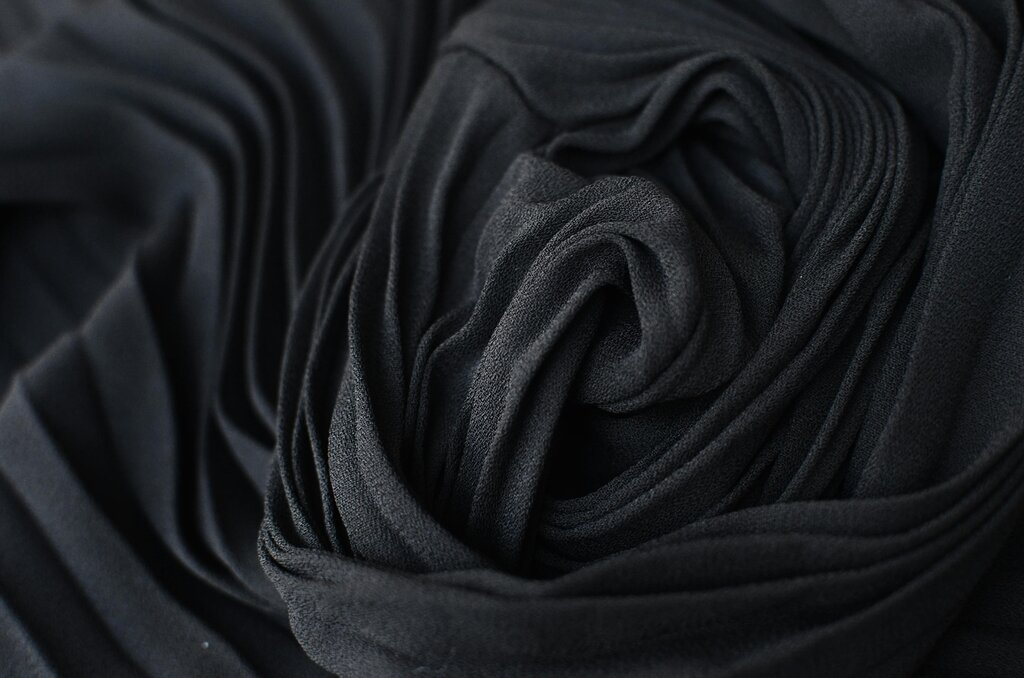
A fabric with good drape creates graceful lines and moves beautifully with the wearer. A heavy fabric isn't necessarily stiff, and a light fabric isn't always fluid. For instance, tweed is heavy and has a structured drape, perfect for a tailored jacket. In contrast, a silk velvet is also heavy, but its drape is fluid and luxurious, ideal for an evening gown. The interplay between weight and drape is where a designer's eye truly comes into play.
Matching Fabric to Design
The most beautiful fabric will fail if it's used for the wrong design. The garment's structure should always guide your fabric choice. A sharply tailored blazer requires a fabric with body and stability, like a wool suiting or a sturdy twill. It needs to hold a crisp edge and support the internal structure of the jacket.
On the other hand, a flowing maxi dress calls for something with fluid drape. A silk crepe de chine, a rayon challis, or a soft bamboo jersey would work perfectly. These fabrics will skim the body and move gracefully, creating the relaxed, elegant silhouette the design intends.
| Garment Type | Ideal Fabric Properties | Example Fabrics |
|---|---|---|
| Structured Blazer | Medium to heavy weight, stable, crisp drape | Wool suiting, Tweed, Twill |
| Flowing Dress | Light to medium weight, fluid drape, soft | Silk charmeuse, Rayon challis, Viscose |
| Tailored Trousers | Medium weight, some stretch, durable | Wool crepe, Stretch cotton, Ponte knit |
| A-line Skirt | Light to medium weight, holds shape | Cotton poplin, Linen, Taffeta |
Think about the design lines. Are there sharp pleats? You'll need a fabric that can be pressed into a crisp crease, like cotton or a polyester blend. Is the design built on soft gathers or ruching? Choose a lightweight, pliable fabric like chiffon or georgette that won't add bulk.
Care and Longevity
A high-quality garment should last. The fabric's care requirements are a crucial part of its suitability. Always check the care instructions before purchasing fabric. A delicate, dry-clean-only silk might be perfect for a special occasion dress, but it's a poor choice for an everyday blouse.
Natural fibers often require more specific care. Wool can shrink if washed improperly, and silk can be damaged by high heat. Synthetics are generally more resilient, but they can sometimes pill or hold static. Understanding these traits helps you choose a fabric that not only looks beautiful but is also practical for its intended use. Pre-washing your fabric before cutting is also a vital step, as many natural fibers shrink on their first wash. This ensures the garment fits perfectly even after it's been cared for.
Now, let's test your knowledge on selecting the perfect fabric.
When creating a garment with sharp pleats, which fabric characteristic is most essential?
A designer wants to combine the softness of a natural fiber with the durability and wrinkle-resistance of a synthetic one. What is their best option?
Choosing the right material is a fundamental skill that elevates a design from an idea to a beautiful, wearable piece of clothing.