Advanced Bodyweight Strength and Calisthenics Mastery
Core and Scapular Stability
The Stabilization Engine
In calisthenics, moving past the basics isn't about more brute strength. It's about stability. The strongest athletes appear to float through movements like muscle-ups and planches because they’ve mastered the art of creating full-body tension. This tension originates from a strong, engaged core and stable shoulder blades. Think of it as the chassis of a car—without a rigid frame, the engine's power is wasted.
The cornerstone of this tension is the hollow body position. It's not just about sucking in your stomach; it's a specific posture that creates a solid, unified structure from your shoulders to your hips. The key to achieving this is the (PPT). To feel it, lie on your back with your knees bent. Notice the natural curve in your lower back. Now, gently press your lower back into the floor by tilting your hips backward and engaging your abs and glutes. That flattening of the spine is the PPT. It locks your pelvis and ribcage together, turning your torso into an immovable block.
This isn't just for floor work. Every advanced calisthenics skill, from a front lever to a muscle-up transition, relies on maintaining this hollow body shape. It allows for a more efficient transfer of force and keeps your body from breaking form under load.
Your Shoulder Blades Aren't Just Along for the Ride
Just as a locked-in core is crucial, so is an active scapula. Your shoulder blades (scapulae) are the foundation upon which your arms operate. Allowing them to be "passive"—just hanging loosely—is like trying to fire a cannon from a canoe. It's unstable and inefficient. An "active" scapula means you are consciously controlling its position to create a solid platform.
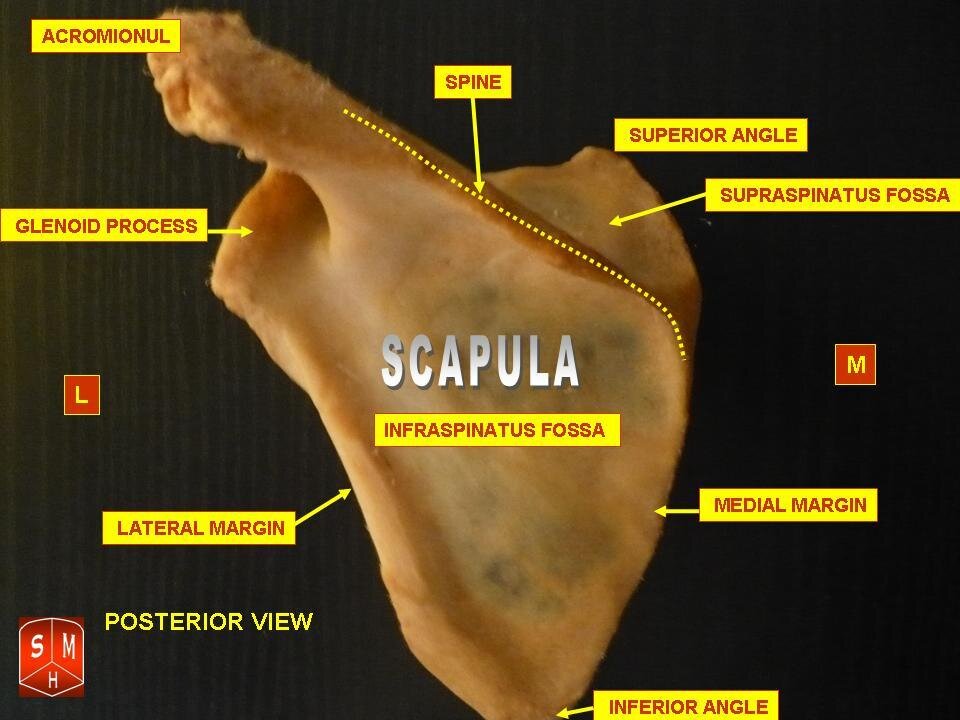
There are four key movements you need to master:
- Protraction: Pushing your shoulder blades forward and apart, like when you reach for something in front of you. This is essential for the top of a push-up and stabilizing a planche.
- Retraction: Squeezing your shoulder blades together. This is the foundation of any pulling movement, like a row or a front lever.
- Depression: Pulling your shoulder blades down, away from your ears. This creates stability at the bottom of a dip and protects your shoulders.
- Elevation: Shrugging your shoulder blades up towards your ears. This is crucial for maintaining a strong overhead position in a handstand.
The scapula functions to provide a stable foundation through which energy can be transferred from the legs and trunk to the arm and hand.
Consciously moving between these positions not only maximizes your force output but also protects the delicate from injury. When your scapula is stable, the shoulder joint can move freely and safely. When it's not, the small stabilizer muscles of the rotator cuff are forced to work overtime, leading to strain and potential tears.
Waking Up the Weak Links
For many intermediate athletes, progress stalls because of two commonly underdeveloped muscles: the serratus anterior and the lower trapezius. You can't see them in the mirror, but they are absolutely critical for scapular health and stability.
Serratus Anterior
noun
A fan-shaped muscle that originates on the surface of the upper eight or nine ribs and inserts along the entire anterior length of the medial border of the scapula. Its primary action is to protract the scapula.
The is often called the "boxer's muscle" because it's responsible for protracting the shoulder blade when punching. In calisthenics, it's what keeps your scapula glued to your ribcage during push-ups and planches, preventing a condition known as "scapular winging." The lower trapezius muscles are responsible for scapular depression, pulling the shoulder blades down and creating a stable base for dips and pull-ups. When these are weak, the upper traps tend to take over, leading to shrugged shoulders and potential neck pain.
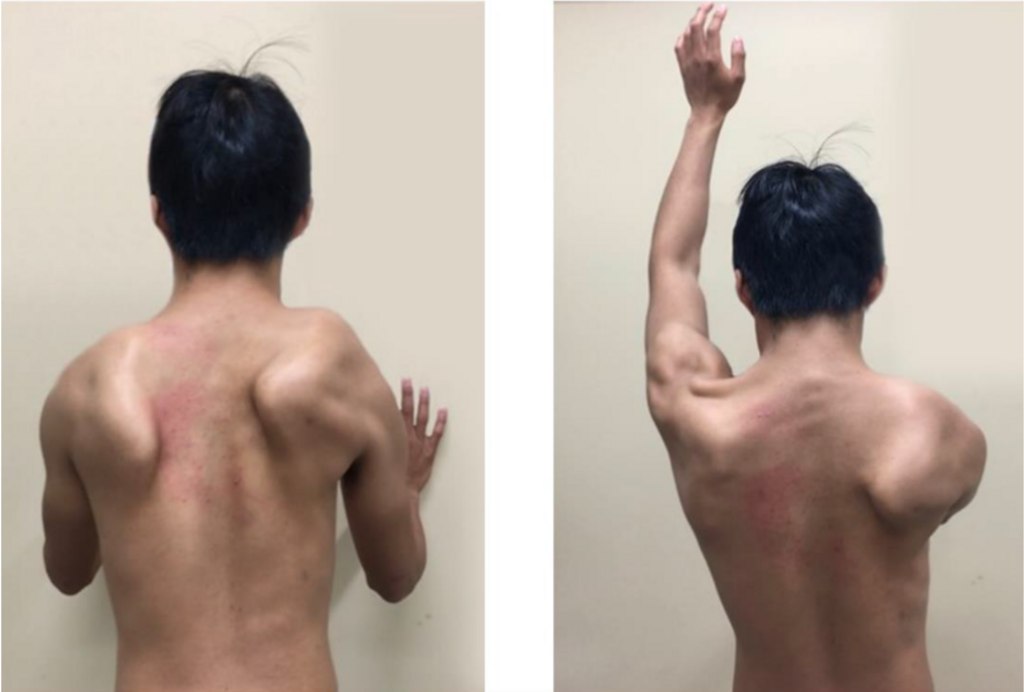
To strengthen these muscles, we need to isolate their specific actions. Scapular pull-ups and scapular dips are excellent drills for this. These exercises remove the arm bend from the equation, forcing you to focus purely on moving your shoulder blades.
For scapular pull-ups, hang from a bar and, keeping your arms straight, focus on pulling your shoulder blades down and together (depression and retraction). For scapular dips, support yourself on parallel bars with arms straight and focus on pushing your shoulders down, away from your ears (depression).
By integrating these specific drills and focusing on the mechanics of core and scapular stability, you build the foundation needed to unlock elite-level calisthenics skills safely and efficiently.
What is the primary principle that allows advanced calisthenics athletes to perform movements like muscle-ups and planches with a sense of weightlessness?
What is the key biomechanical action required to achieve a proper hollow body position?