Advanced Body Recomposition and Shredding
Metabolic Health Optimization
Preparing the Engine for a Deficit
Before starting an aggressive fat loss phase, you must first optimize your metabolic health. Pushing your body into a steep calorie deficit without the proper physiological groundwork can backfire, leading to plateaus, muscle loss, and rapid weight regain. The first step is understanding how your body adapts to less energy.
Your body is an incredibly efficient machine, designed for survival. When it senses a consistent energy deficit, it initiates a series of changes often called to conserve energy. This isn't a myth or "starvation mode"; it's a measurable physiological response. Your Basal Metabolic Rate (BMR) may decrease, you'll burn fewer calories digesting food (Thermic Effect of Food, or TEF), and your subconscious daily movements—fidgeting, walking, etc.—will decrease. This is known as Non-Exercise Activity Thermogenesis (NEAT), and it can drop significantly, reducing your total daily energy expenditure (TDEE).
The goal isn't to prevent metabolic adaptation, which is inevitable, but to manage it. By starting from a healthy, flexible metabolic state, you extend the runway for your fat loss phase.
Your Hormonal Starting Line
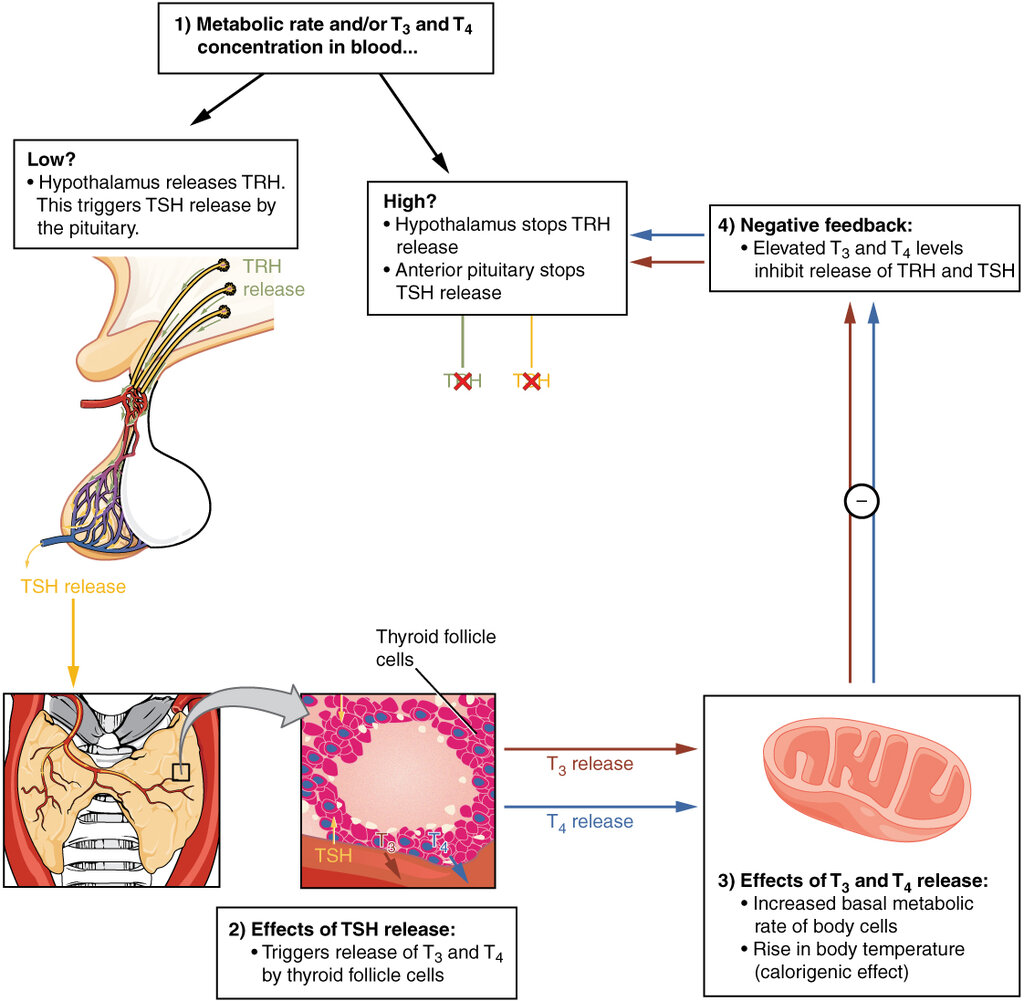
Your metabolism is regulated by a complex symphony of hormones. Entering a deficit when this system is already out of tune is a recipe for failure. Key hormones to consider are your thyroid hormones (T3 and T4), which act as the master regulators of your metabolic rate, and your hunger hormones, and ghrelin. A prolonged period at maintenance calories, with adequate nutrition, helps ensure these hormones are functioning optimally.
Chronic dieting or undereating can downregulate thyroid production, making your body burn fewer calories at rest. At the same time, falling leptin and rising ghrelin create intense hunger signals. This combination makes sticking to a diet feel like fighting a battle on two fronts: physiological and psychological. Assessing your hormonal status, either through clinical tests or by honestly evaluating your energy levels, sleep quality, and hunger cues after a solid period at maintenance, is non-negotiable.
Cortisol and Muscle Preservation
Stress management is not a luxury; it's a core component of a successful cutting phase. The primary stress hormone, , is catabolic, meaning it can break down muscle tissue for energy—the exact opposite of what you want. While short bursts of cortisol are normal and even necessary (like during a workout), chronically elevated levels are destructive.
A significant calorie deficit combined with high-intensity training is a major stressor. If you add poor sleep and life stress on top of that, your cortisol levels can skyrocket. This not only increases the risk of muscle loss but also causes water retention, masking your actual fat loss and leading to frustration. Prioritizing 7-9 hours of quality sleep per night and incorporating stress-reduction techniques like meditation or light walks are critical for keeping cortisol in check and preserving lean mass.
Metabolic Flexibility and BMR Recalibration
Metabolic flexibility is your body's ability to efficiently switch between fuel sources—primarily carbohydrates and fats. A metabolically flexible person can burn carbs for fuel when they eat them (like before a workout) and seamlessly switch to burning fat in their absence (like during sleep or a low-carb period). Chronic dieting or a highly processed, carb-heavy diet can impair this ability, making your body reliant on glucose and less efficient at tapping into fat stores.
Science has consistently shown diets that maintain macro-metabolic balance increase “metabolic flexibility” — how well the body can switch back and forth between burning carbohydrates and fats for fuel — which is crucial to body weight management, blood sugar control and lowering risk for chronic disease.
Before starting a cut, spend at least 4-12 weeks eating at your calculated maintenance calories. This period, sometimes called a "primer phase," does two things. First, it helps restore hormonal balance and improves metabolic flexibility. Second, it allows your BMR to stabilize, giving you a true baseline for your energy needs. This process is called BMR recalibration. Dropping calories from a stable, healthy maintenance level is far more effective and sustainable than cutting from an already suppressed metabolic state. The higher your starting body fat percentage, the more aggressive you can be with your initial deficit, but for leaner individuals, a smaller, more gradual reduction is key to preserving muscle.
What is the term for the series of physiological changes, such as a decreased Basal Metabolic Rate (BMR) and Non-Exercise Activity Thermogenesis (NEAT), that occur when your body senses a consistent energy deficit?
During a prolonged calorie deficit, what typically happens to the hormones leptin (satiety) and ghrelin (hunger)?