Advanced Baking Techniques and Science
Flour and Protein Science
The Architecture of Flour
Every baker knows flour is the foundation, but its true power lies in two specific proteins: glutenin and gliadin. On their own, they're just dry particles. But add water, and they spring to life, linking together to form an intricate, elastic network called gluten. Think of glutenin as providing the strength and elasticity, like long, coiled springs. Gliadin provides the extensibility, allowing the dough to stretch without breaking, like chains of tiny, sliding links. Together, they create a structure that can trap the gases produced by yeast, giving bread its rise and characteristic chew.
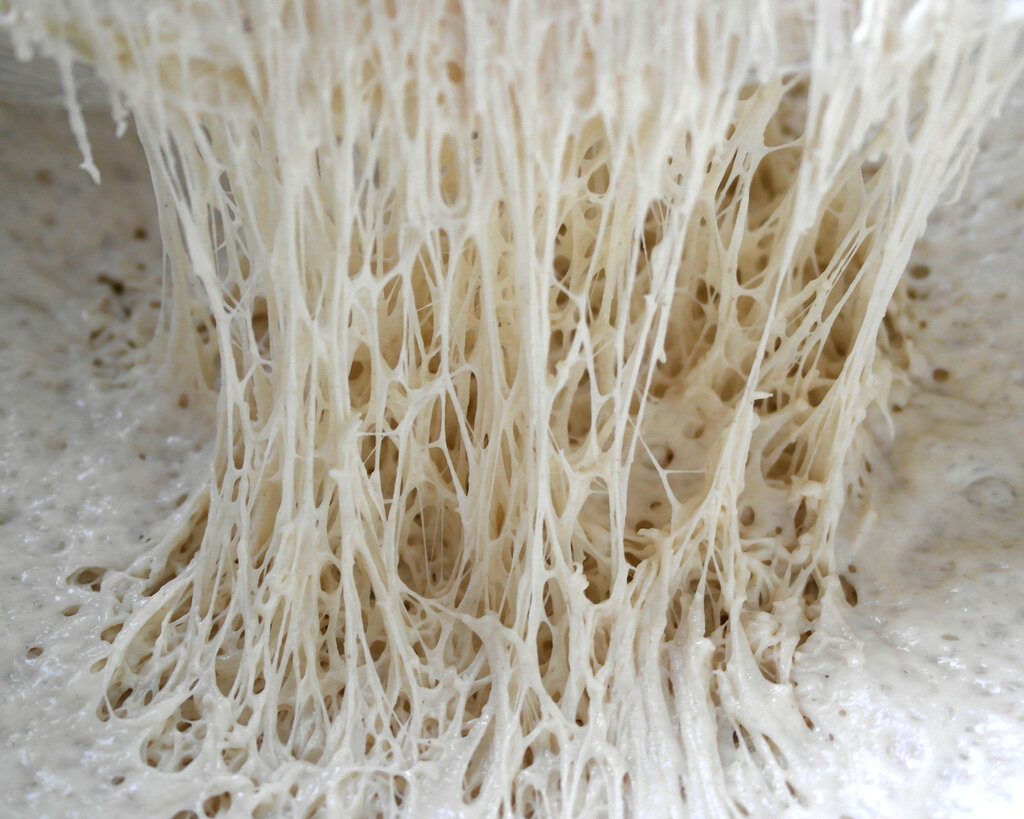
The amount of protein in a flour dictates its potential for gluten development. This isn't just a minor detail; it's the primary factor that determines a flour's purpose. Flours range from low-protein cake flour, which creates a tender, delicate crumb, to high-protein bread flour, essential for a chewy, airy loaf.
Bread flour has high protein content, leading to better gluten development – meaning nice chewy and elastic bread.
| Flour Type | Protein Content | Primary Use |
|---|---|---|
| Cake Flour | 6-8% | Tender cakes, delicate pastries |
| Pastry Flour | 8-9% | Flaky pie crusts, biscuits |
| All-Purpose Flour | 10-12% | General baking, cookies, muffins |
| Bread Flour | 12-14% | Chewy breads, pizza dough |
| High-Gluten Flour | 14%+ | Bagels, very structured breads |
Building the Gluten Network
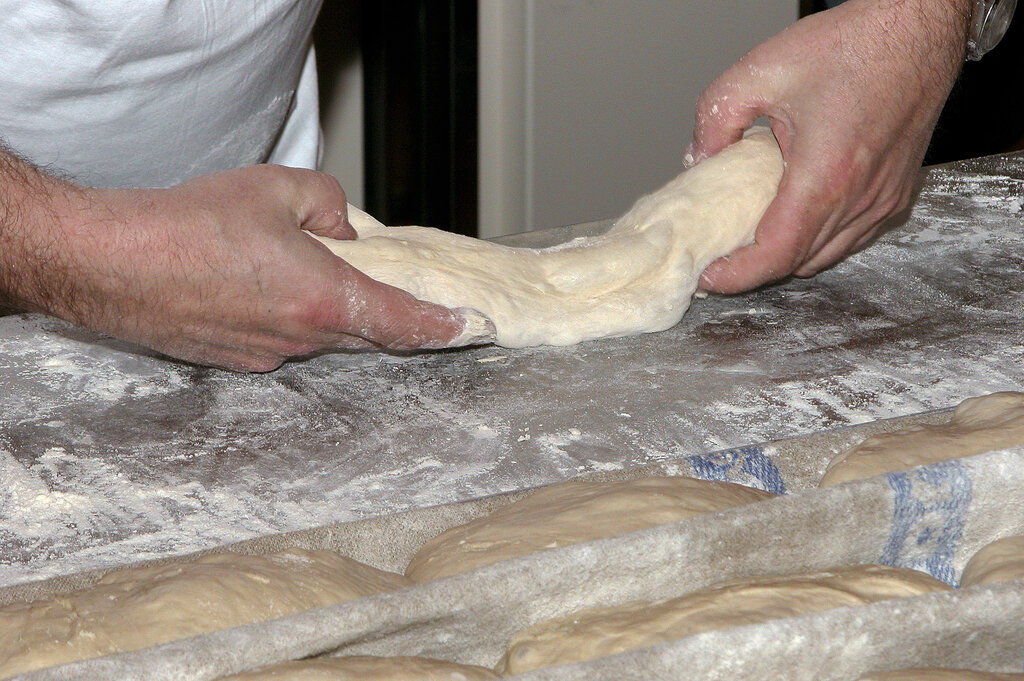
Simply mixing flour and water isn't enough to create a strong structure. This gluten network must be developed, a process that can be done either mechanically or chemically. Mechanical development involves physical work, like kneading or using a stand mixer. This action, known as mechanical shear, forces the glutenin and gliadin proteins to align, untangle, and form strong cross-links, creating an organized and robust web. The more you work the dough, the stronger and more elastic this network becomes.
Alternatively, time and chemistry can do the work for you. In a process called autolyse, flour and water are mixed and allowed to rest. During this period, enzymes in the flour begin to break down some of the proteins, making them easier to align, while the water fully hydrates the starches and proteins. This passive development creates a smoother, more extensible dough with less physical effort, a technique beloved by artisan bakers for achieving an open, airy crumb.
How do you know when you've developed the gluten enough? The classic method is the windowpane test. Pinch off a small piece of dough and gently stretch it between your fingers. If the gluten is well-developed, you should be able to stretch it thin enough to see light through it without it tearing, like a small pane of glass. If it tears easily, the network needs more development.
The Mineral Factor
While protein gets most of the attention, a flour's ash content also plays a crucial role. Ash is the mineral content left over after a sample of flour is burned in a lab. It's essentially a measurement of how much of the bran and germ, where most of the minerals reside, remains in the flour after milling. A higher ash content, found in whole wheat or less-refined flours, provides more nutrients for yeast to feed on, which can speed up fermentation. However, the sharp particles of bran can also cut through the delicate gluten strands, slightly hindering the dough's maximum rise. This is why 100% whole wheat breads are naturally denser than those made with white flour. Bakers must balance the rich flavor and nutritional benefits of high-ash flours with the structural challenges they present.
What are the two primary proteins in flour that combine to form gluten when hydrated?
A baker wants to create a very chewy, rustic artisan bread with a strong structure. Which type of flour is most suitable for this purpose?
Understanding these core principles of flour science—protein, gluten development, and mineral content—moves you from simply following a recipe to making informed decisions as a baker. It's the key to diagnosing dough problems and adapting recipes to achieve the perfect texture, whether it's a tender cake or a chewy ciabatta.