Advanced Avian Nutrition and Digestive Physiology
Stomach Synergy and Dynamics
The Two-Part Stomach
Unlike the single-chambered stomach of mammals, birds possess a highly efficient, two-part system. This design separates the chemical and mechanical stages of digestion into two specialized organs: the proventriculus (glandular stomach) and the ventriculus, or gizzard (muscular stomach). Food first enters the proventriculus, a thin-walled tube where it's drenched in acid and digestive enzymes.
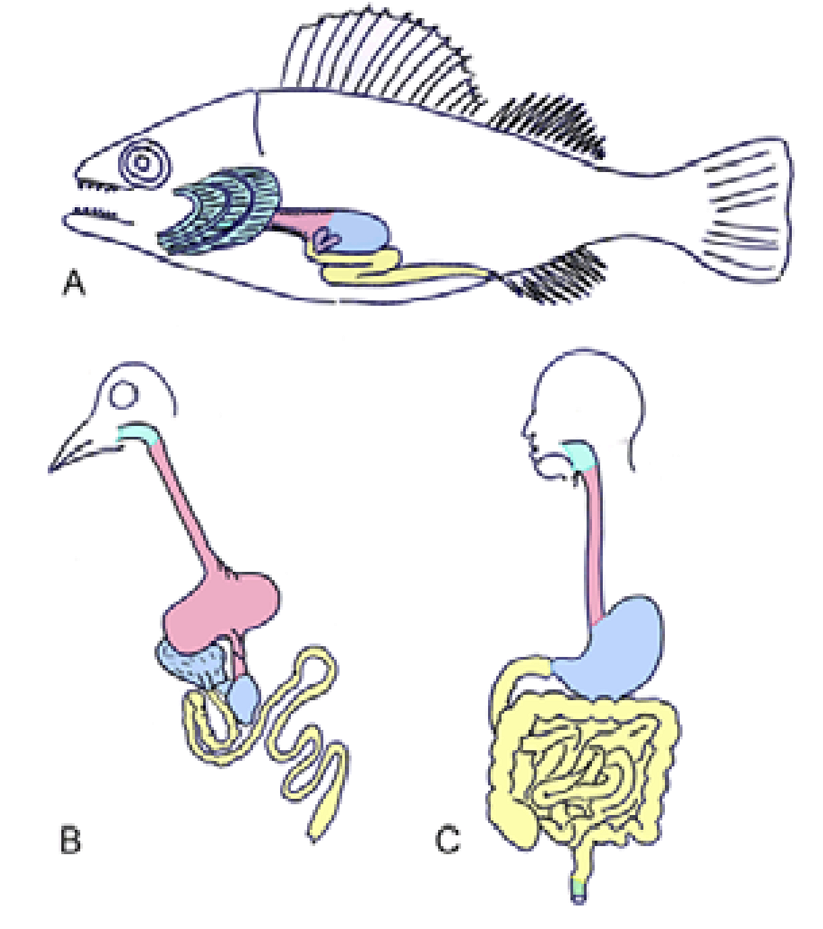
This chemical bath begins breaking down proteins and softening tough materials. A key avian adaptation is found in the gastric glands of the proventriculus. Here, a single type of chief cell, called an oxynticopeptic cell, remarkably secretes both hydrochloric acid (HCl) and pepsinogen. This is a departure from mammalian stomachs, which use separate parietal cells for acid and chief cells for the enzyme precursor. This streamlined, single-cell system allows for a potent digestive cocktail to be produced very efficiently.
A Coordinated Cycle
The real magic lies in the synergy between the two stomach chambers. The movement of digesta isn't a simple one-way street. Instead, the proventriculus and gizzard engage in a tightly coordinated cycle of contractions, shuttling food back and forth between them. This process, controlled by both neural signals from the enteric nervous system and endocrine hormones, can occur as often as four times per minute. A key feature of this movement is , where the gizzard forcefully contracts to send partially ground food back into the proventriculus for another acid bath.
This rapid, rhythmic exchange ensures that the food is thoroughly mixed with digestive juices and ground into a fine paste. The result is an incredibly effective system for breaking down everything from tough seeds and fibrous plant matter to the bones of prey.
This constant cycling between chemical and mechanical breakdown allows birds to process food with remarkable speed and efficiency, a necessary trait for animals with high metabolic rates.
The Gizzard's Armor
The gizzard's main job is mechanical grinding, a task it performs with powerful muscle contractions. To protect itself from the corrosive acid slurry arriving from the proventriculus, the gizzard is lined with a unique, tough layer called .
This yellowish, leathery lining, composed of a carbohydrate-protein complex, is secreted by glands in the gizzard wall. It provides a durable barrier against both the low pH and the abrasive action of grit and food particles. Many bird species, especially granivores (seed-eaters), intentionally swallow small stones and grit. These are stored in the gizzard and act like millstones, helping its muscular walls pulverize hard items.
Built for the Diet
The avian stomach is not a one-size-fits-all organ; its structure is highly adapted to a bird's specific diet. For instance, raptors like hawks and owls, which consume whole prey, have a proventriculus that can secrete incredibly strong acid, sometimes reaching a pH of 1.0–2.0. This extreme acidity is capable of dissolving bones, ensuring the bird extracts every bit of calcium and other minerals.
In contrast, birds that eat soft foods, such as nectar-feeders and many frugivores (fruit-eaters), have a much smaller and less muscular gizzard. Since their diet requires little mechanical breakdown, they invest less energy in developing a powerful grinding organ. The gizzard's size and musculature can even change seasonally in some species, growing larger and stronger when their diet shifts to harder foods.
What is the primary function of the proventriculus in a bird's digestive system?
A unique feature of avian gastric glands is the oxynticopeptic cell. What makes this cell type different from the cells in a mammalian stomach?
The avian compound stomach is a masterclass in evolutionary efficiency, perfectly tuned to the demands of flight and a diverse range of diets.