Advanced Automation Testing Techniques
Automation Testing Fundamentals
What Is Automation Testing?
At its core, automation testing is the practice of using special software to run tests on another piece of software. Instead of a person manually clicking through an application to check if everything works, a script does it automatically.
Think of it like this: Manual testing is like hand-washing dishes one by one. Automation testing is like loading up a dishwasher and pressing start. Both get the job done, but one is much faster and more repeatable for large loads.
This process involves creating test scripts that can navigate an application, input data, and then compare the actual results to the expected results. If there's a mismatch, the test fails, flagging a potential bug for developers to fix. The main purpose is to find problems quickly and reliably, especially for tasks that need to be done over and over.
Why Bother Automating?
Manual testing still has its place, especially for new features that need creative, human exploration. But automation offers some powerful advantages.
Automation completes tests in hours that would take days manually and improves coverage and capabilities by repeating steps and recording outcomes.
The key benefits are:
- Speed: Automated tests run significantly faster than humans. A suite of tests that might take a person all day could be completed in minutes.
- Reliability: Scripts perform the exact same steps every single time, eliminating human error. A manual tester might forget a step or make a typo; a script won't.
- Efficiency: By automating repetitive tests, you free up human testers to focus on more complex tasks, like usability testing or exploring new features for unexpected bugs. This is a much better use of their time and skills.
- Regression Testing: Every time code changes, you risk breaking something that used to work. Automation is perfect for regression testing—quickly running a large set of tests to ensure existing features haven't been affected.
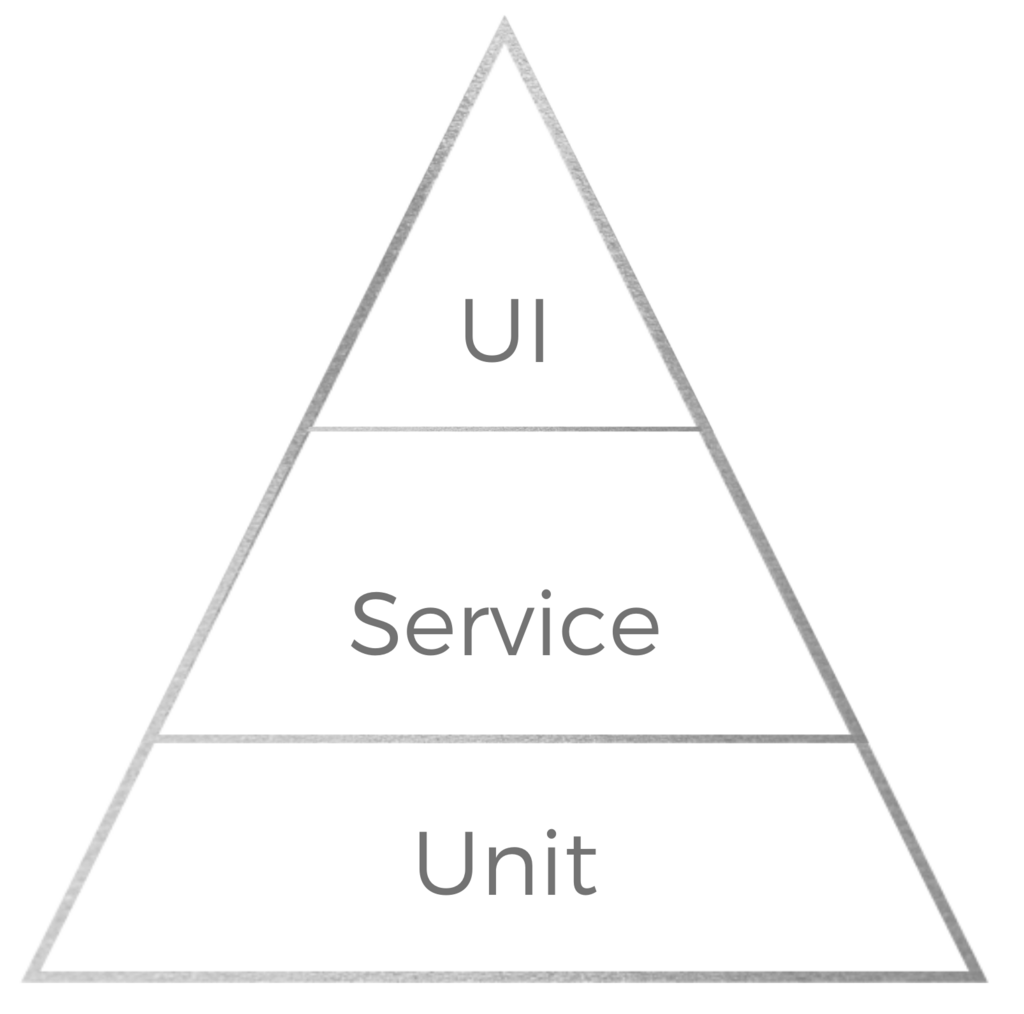
This pyramid shows a common strategy. You have a large base of fast, simple "Unit" tests, a smaller number of "Service" or integration tests, and very few slow, complex end-to-end "UI" tests. Automation makes it possible to maintain this structure effectively.
Choosing What to Automate
A common mistake is trying to automate everything. It’s not practical or cost-effective. The key is to be strategic and pick the right candidates for automation.
If a test case is repetitive and predictable, it’s a candidate for automation.
Here are the best criteria for selecting test cases:
- Repetitive Tests: Any test that needs to be run repeatedly, like checking the login functionality after every software update, is a prime candidate.
- High-Risk, Critical Paths: Core functionalities of your application, such as the checkout process in an e-commerce site, must always work. Automating these tests ensures they are constantly verified.
- Data-Driven Tests: Tests that need to be run with many different sets of data. For example, testing a form with hundreds of combinations of inputs is tedious for a human but simple for a script.
- Stable Features: It's best to automate tests for features that are not undergoing major changes. Automating a feature that is constantly being redesigned just creates extra work maintaining the test scripts.
Tools of the Trade
You don't build test automation from scratch. You use tools and frameworks to provide structure and functionality. A framework is a set of guidelines or rules for creating and designing test cases. It combines libraries, test data, and reusable modules.
There are many tools available, each with its own strengths. Here are a few popular ones:
| Tool | Primary Use | Common Language(s) |
|---|---|---|
| Selenium | Web browser automation | Java, Python, C#, JavaScript |
| Cypress | Modern web browser testing | JavaScript |
| Playwright | Modern web browser testing | JavaScript, Python, Java, .NET |
| Appium | Mobile app (iOS/Android) testing | Supports multiple languages |
Choosing the right tool depends on your project's needs, such as the technology your application is built with and the programming skills of your team.
Time to check what you've learned.
What is the primary goal of automation testing?
According to the text, which of these is the BEST candidate for test automation?
Automation testing isn't about replacing human testers. It's about empowering them to work more effectively by handing off the repetitive, mundane tasks to a machine.