Advanced App Optimization Techniques
Introduction to Application Performance Optimization
Why Speed Matters
Application performance optimization is the process of making an application run faster and more efficiently. Think of it like the difference between a busy restaurant with a fast, organized kitchen and one where every order takes forever. A smooth, responsive app keeps users happy, while a slow, clunky one causes frustration.
The goal isn't just to make things fast for the sake of it. Better performance directly impacts the user's experience. When an app works well, people use it more, trust it more, and are more likely to recommend it. This translates to better business outcomes, like higher engagement and sales.
A performance-first approach ensures that every design and development decision is weighed against its impact on speed and responsiveness.
How We Measure Performance
To improve something, you first need to measure it. In application performance, we track several key metrics to understand how an app is behaving.
| Metric | What It Measures | Why It's Important |
|---|---|---|
| Load Time | How long it takes for the app to start up and become usable. | First impressions count. A long wait can cause users to leave immediately. |
| Responsiveness | How quickly the app reacts to user input, like a tap or a click. | A responsive app feels fluid and intuitive. Delays make it feel broken. |
| Resource Utilization | How much CPU, memory, battery, or data the app consumes. | High usage can slow down the entire device, drain the battery, or incur data charges. |
These metrics give us a clear picture of the app's health. If load time is high or the app feels sluggish, we can dig deeper to find the cause.
The Impact on Users
Poor performance isn't just a technical problem; it's a user problem. A slow app can make someone feel like they're wasting their time. An app that freezes or crashes erodes trust. Every second of delay increases the chance that a user will close the app and never return.
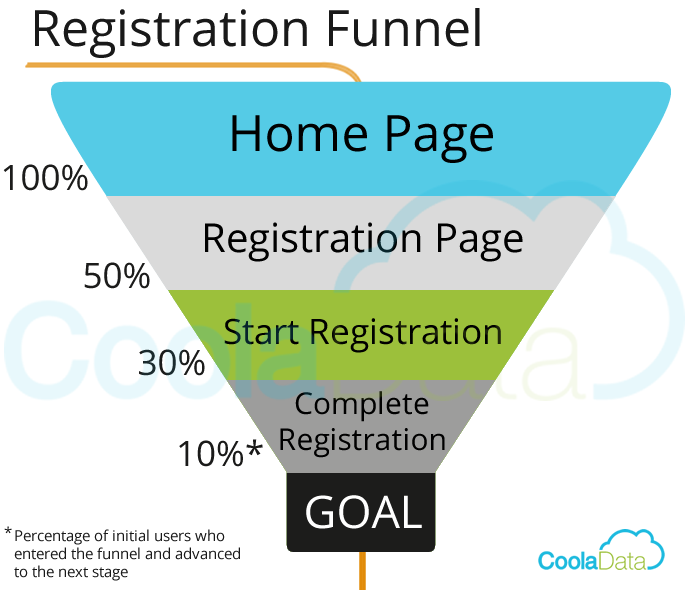
This has a real impact on business goals. For an e-commerce app, slow load times can lead to abandoned shopping carts. For a social media app, laggy scrolling can cause users to switch to a competitor. A snappy, reliable experience, on the other hand, encourages loyalty and positive reviews.
Users expect a seamless experience. Performance isn't a feature; it's a fundamental requirement.
Finding the Bottlenecks
A performance bottleneck is a specific part of the application that slows everything else down, like a single slow cashier in a grocery store with long lines. Identifying these bottlenecks is the first step to fixing them. Most performance issues in mobile and web apps stem from a few common areas.
Common culprits include:
- Slow Network Requests: Waiting for data to arrive from a server is a frequent cause of delays. If the app needs to download a lot of information before it can do anything, the user is left staring at a loading screen.
- Inefficient Code: The application might be doing more work than necessary. This could be complex calculations that block the main thread or poorly written logic that runs in loops.
- Large Media Files: High-resolution images and videos take time to download and display, especially on slower network connections.
- UI Rendering: The user interface itself can become a bottleneck. If an app tries to display thousands of items in a list at once, it can freeze or become unresponsive while it renders them all.
Understanding these common issues helps developers know where to look when an app starts to feel slow.
Now, let's check your understanding of these core concepts.
What is the primary goal of application performance optimization?
In application performance, what is a 'bottleneck'?
By keeping these principles in mind, developers can build applications that are not only functional but also fast, efficient, and enjoyable to use.