Advanced AI Video Generation
Introduction to AI Video Generation
From Still Images to Moving Pictures
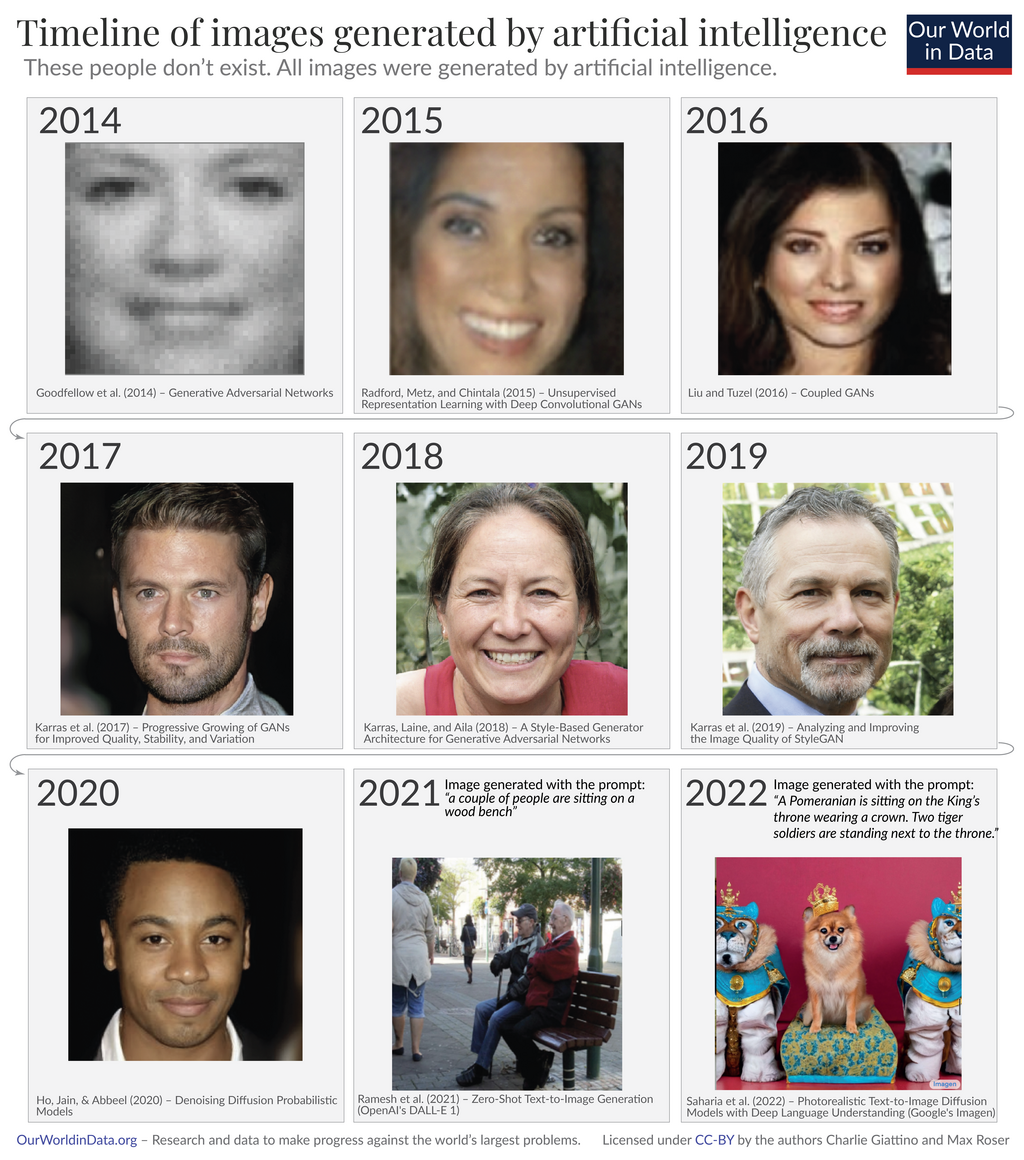
Artificial intelligence has been able to generate images from simple text prompts for a few years now. You've likely seen them: photorealistic portraits of people who don't exist, fantastical landscapes, and bizarre artistic creations. AI video generation is the next step in this evolution. It's the process of using AI to create entirely new video clips from text descriptions, still images, or even by modifying existing videos.
This capability didn't appear overnight. It builds on decades of AI research. Early AI was primarily analytical; it was great at recognizing patterns, classifying data, and making predictions. The shift toward generative AI, which focuses on creating new content, marked a major turning point. The same technologies that learned to create realistic still images were adapted and expanded to understand motion, time, and the way objects interact within a scene.
How AI Learns to Animate
So, how does a machine learn to create a video of a dog riding a skateboard on Mars? The process starts with data, and lots of it. AI video models are trained on enormous datasets containing millions of videos and their corresponding text descriptions. By analyzing this information, the AI learns the connections between words and visual concepts, from simple objects like "ball" to complex actions like "running through a field at sunset."
The core technology behind many modern video generators is called a diffusion model. Think of it like a sculptor starting with a block of marble and chipping away until a statue emerges. A diffusion model starts with a frame of pure random noise, like digital static. Guided by the user's prompt, the AI gradually refines this noise over many steps, removing the randomness and adding structure until a clear image appears. To create a video, the AI does this for a sequence of frames, but with a crucial extra step: it ensures each frame is consistent with the one before it. This creates the illusion of smooth, coherent motion.
The real challenge for the AI is maintaining consistency, or temporal coherence. It's not enough to create a series of beautiful images; the subject must look the same and move realistically from one frame to the next. A person's shirt shouldn't change color mid-stride, and an object shouldn't vanish and reappear without reason. Achieving this coherence is what separates a convincing AI video from a flickering, nonsensical series of images.
The Modern Creator's Toolkit
Just a few years ago, AI video generation was a purely experimental field limited to research labs. Today, a growing number of tools are available to the public. These tools vary in their capabilities and how they are used, but they generally fall into a few main categories.
Generative AI is revolutionizing the way we create and consume video content.
The most common type is text-to-video, where you simply write a description of the scene you want to create. Other tools specialize in image-to-video, animating a still photo to add subtle motion or transform it into a full scene. A third category, video-to-video, takes an existing video and applies a new style or changes its content based on a text prompt.
| Method | Input | Output | Common Use |
|---|---|---|---|
| Text-to-Video | A text description | A new video clip | Creating original scenes from scratch |
| Image-to-Video | A still image | An animated version of the image | Bringing photos to life with subtle motion |
| Video-to-Video | An existing video + a text prompt | A modified video clip | Changing the artistic style of a video |
Leading platforms like OpenAI's Sora, Runway, and Pika have demonstrated remarkable progress, generating short video clips with impressive visual quality and coherence. While the technology is still young and has limitations, it is evolving at an incredible pace. What once required a team of animators and visual effects artists can now be drafted in minutes with a few lines of text.
What is the primary function of generative AI in the context of video creation?
The process used by many AI video generators, known as a diffusion model, is most similar to which of these creative acts?
This technology is no longer just a futuristic concept; it's a practical tool that is beginning to reshape creative industries from filmmaking to marketing.