Advanced AI Prompt Engineering
Introduction to Prompt Engineering
What is Prompt Engineering?
Asking an AI for something is a bit like ordering coffee. If you just say “give me coffee,” you might get a black drip coffee, an espresso, or a latte. The result is a gamble. But if you ask for a “large iced latte with oat milk and one pump of vanilla syrup,” you'll get exactly what you want.
This is the core idea behind prompt engineering.
Prompt engineering is the practice of designing inputs (prompts) to guide AI models toward producing desired outputs.
It’s the skill of communicating clearly with an AI to get useful, accurate, and relevant results. Without it, you're leaving the quality of the AI's response up to chance. With it, you're in the driver's seat.
Clarity and Context are Key
The two most important ingredients of a good prompt are clarity and context. An AI isn't a mind reader. It can only work with the information you provide. Vague prompts lead to vague or generic answers.
Consider this prompt:
Write about dogs.
What would you expect? An article about dog breeds? A poem about a dog? A story about training a puppy? The AI has to guess. A better prompt provides specific instructions and context.
Write a 100-word paragraph for a 5th grader explaining why dalmatians are associated with firehouses. Use a fun and friendly tone.
This second prompt is much more powerful. It specifies the topic (dalmatians and firehouses), the format (100-word paragraph), the audience (a 5th grader), and the tone (fun and friendly). The AI now has clear directions and is much more likely to produce a helpful response.
Clear instructions and relevant context are the foundation of effective prompting. The more specific you are, the better the result will be.
Guiding AI with Examples
One of the best ways to provide context is by showing the AI exactly what you want. This is done by including examples directly in your prompt. There are three basic techniques for this.
Zero-shot Prompting This is the most basic form. You give the AI an instruction without any prior examples. You're relying on the model's existing knowledge to figure out the task. Our specific dalmatian prompt from earlier is a zero-shot prompt.
One-shot Prompting Here, you provide a single example to show the AI what kind of output you're looking for. This helps guide the model's response and improve its accuracy, especially for tasks that require a specific format or style.
Few-shot Prompting As the name suggests, this involves giving the AI several examples (usually two to five). This is very effective for more complex tasks or when you need the AI to follow a nuanced pattern. By seeing multiple examples, the model gets a much clearer picture of the desired output.
Refine and Repeat
Getting the perfect prompt often takes more than one try. Think of it as a conversation. You ask a question, see the response, and then adjust your question to get a better answer. This process of tweaking and testing is fundamental to good prompt engineering.
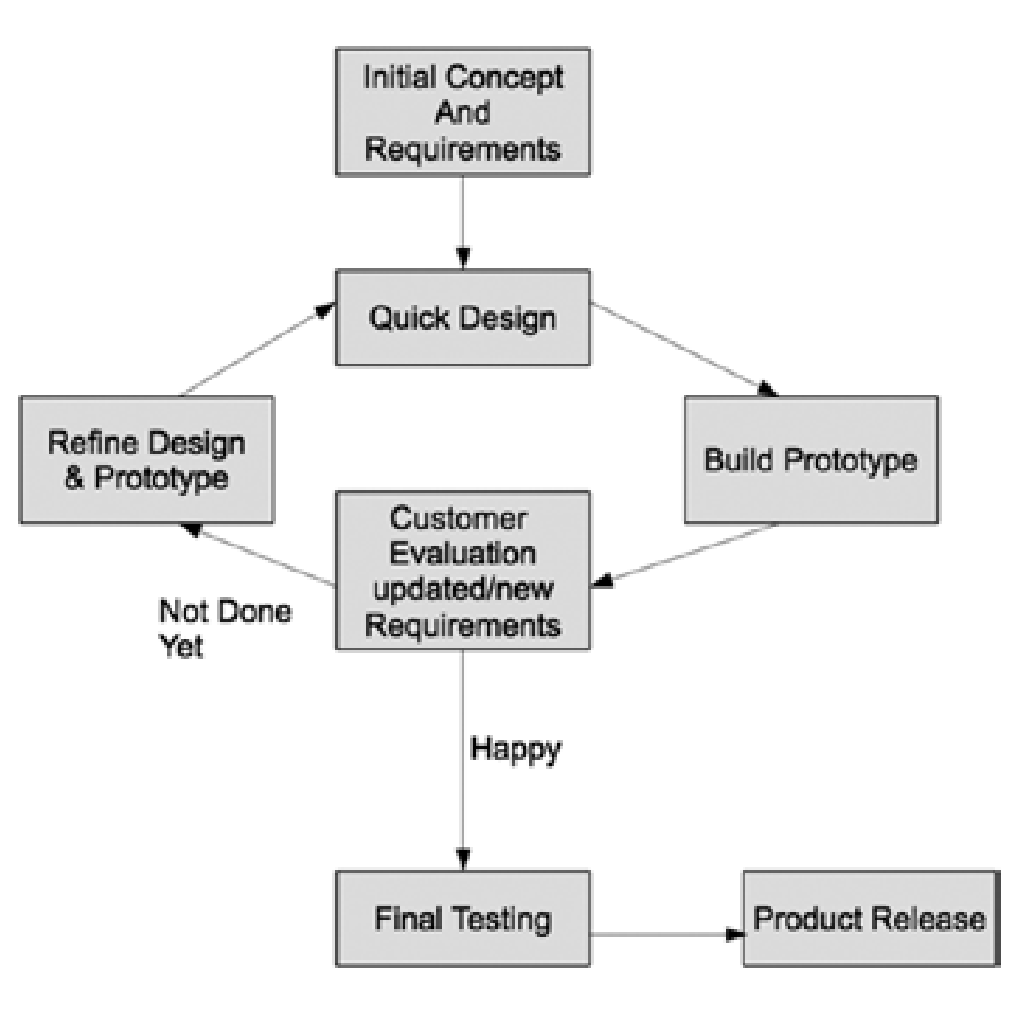
If the AI's output is too long, add a constraint like "in 50 words or less." If the tone is wrong, add an instruction like "write in a professional tone." If the format is off, provide an example.
Don't be afraid to experiment. Start with a simple prompt and gradually add more detail, context, and examples until you get the result you want.
Use Iterative Prompting: Start with a broad prompt and refine the AI’s response through follow-up prompts.
Ready to test your knowledge? Let's see what you've learned about the fundamentals of talking to AI.
What is the primary goal of prompt engineering?
According to the text, what are the two most important ingredients of a good prompt?
Mastering these basics is the first step toward using AI tools effectively. By writing clear prompts, providing context, and refining your approach, you can unlock their full potential.