Advanced AI Prompt Engineering
Persona and System Instructions
The AI's Job Description
You already know how to give an AI a basic instruction. But telling an AI to "write a poem" is like handing a new employee a sticky note with a single task. To get professional, consistent results, you need to give them a full job description. This is the difference between a user message and a system message.
A user message is the immediate command you give in the chat window. A system message is a higher-level instruction that defines the AI's role, rules, and personality before the conversation even starts. Think of the system message as the AI's unchanging prime directive, while user messages are the specific tasks it needs to complete within that role. The system message always has priority, shaping how every user prompt is interpreted and answered.
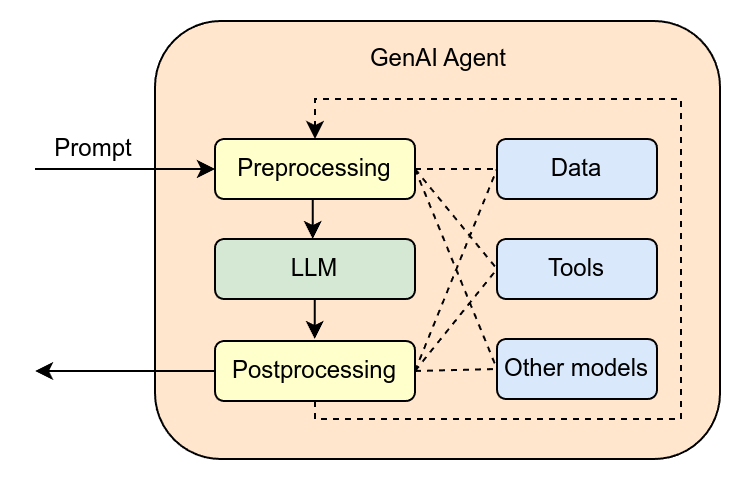
This hierarchy is crucial. Without a strong system message, an AI's persona can drift during a long conversation. It might start out as a formal expert but become casual and conversational after a few exchanges. System instructions anchor the AI, ensuring it maintains its designated identity.
Crafting a Robust Persona
Assigning a simple role like "You are a helpful assistant" is a start, but it lacks depth. A robust persona is specific and multi-faceted. It clearly defines expertise, sets boundaries, and dictates a precise tone. Instead of a "marketing expert," you might define a "senior brand strategist from a top-tier ad agency, specializing in direct-to-consumer startups. Your tone is witty but professional, and you never use more than two sentences to answer a direct question."
This level of detail transforms the AI from a generic tool into a specialized collaborator. Leading AI labs like Anthropic have found that structuring these instructions with clear formatting, like XML tags or Markdown headers, dramatically improves the AI's ability to follow them. It breaks the instructions into digestible chunks, separating background context from core directives.
Using structured formats like XML helps the AI distinguish between who it should be, what it should know, and how it should behave.
<system_prompt>
  <persona>
    You are a seasoned cybersecurity analyst with 15 years of experience in threat intelligence for financial institutions. You specialize in identifying Advanced Persistent Threats (APTs). Your name is Alex.
  </persona>

  <constraints>
    - Do not provide any advice that could be construed as financial or legal guidance.
    - Never speculate on the identity of threat actors without verifiable public evidence.
    - All technical explanations must be accompanied by an analogy a non-technical executive could understand.
  </constraints>

  <output_format>
    - Begin every response with a threat level assessment (Low, Medium, High, Critical).
    - Structure your analysis using Markdown for clarity (headers, bullet points).
  </output_format>
</system_prompt>
This structured approach is a form of context engineering, a discipline focused on building the entire environment an AI operates in. It's about designing the "kitchen"—the tools, ingredients, and rules—not just telling the chef what to cook. This ensures that the AI's behavior is predictable and aligned with your goals, especially in complex, multi-step tasks. It's also critical for safety, as well-defined constraints prevent the model from generating harmful, biased, or off-topic content.
Enforcing the Rules
The true power of system messages lies in enforcement. By setting clear constraints, you can guide the AI's behavior and ensure its output is safe and reliable. For instance, a medical information bot could be constrained to only pull information from peer-reviewed journals and explicitly state that it is not a doctor.
A system prompt for a customer service AI might include a rule to never express frustration and to always offer a solution or escalate to a human agent. These aren't just suggestions; they are core operational parameters. When the AI is tempted to deviate—perhaps in response to a confusing or adversarial user prompt—the system message acts as a guardrail, pulling its response back into the desired boundaries.
Time to see what you've learned about giving your AI a proper job description.
What is the primary relationship between a system message and a user message?
According to the provided text, which of these is the most effective persona definition for an AI?
Mastering system instructions is the first step toward building truly advanced and reliable AI interactions. It moves you from a simple user to a sophisticated architect of AI behavior.