Advanced AI in Radiology
Introduction to AI in Radiology
A New Set of Eyes
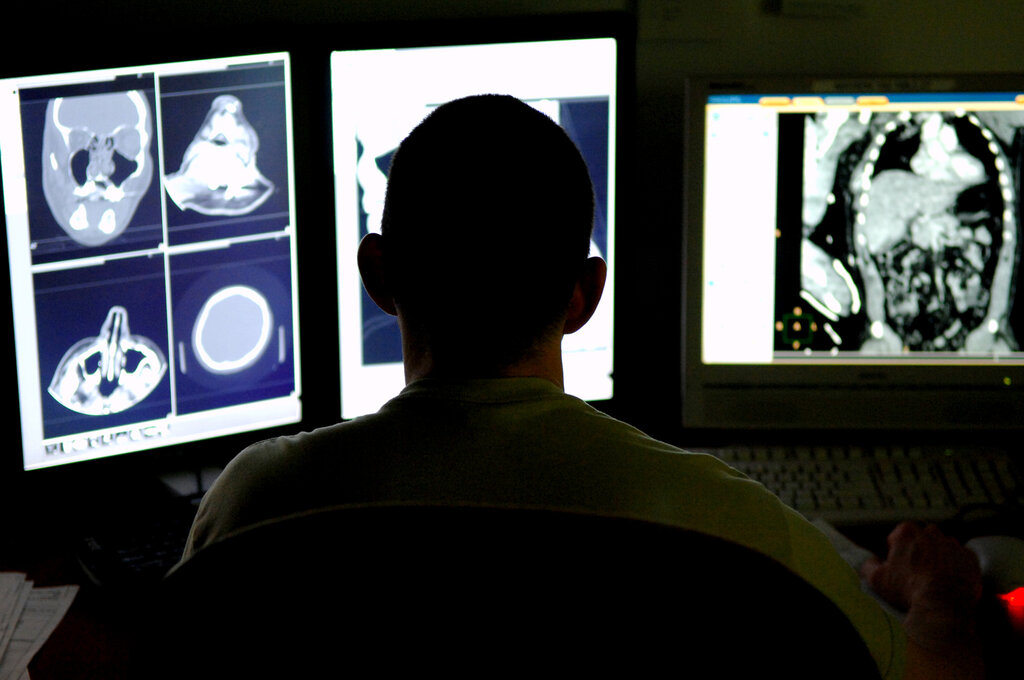
Radiology is the art and science of seeing inside the human body. For over a century, specialists have meticulously examined images like X-rays, CT scans, and MRIs to diagnose diseases and injuries. Today, they have a powerful new assistant: artificial intelligence.
AI isn't here to replace radiologists. Instead, it acts as a highly trained second set of eyes, capable of analyzing medical images with incredible speed and precision. By spotting subtle patterns that might be missed by the human eye, AI helps doctors make faster, more confident diagnoses.
But how does a computer program learn to read a medical scan? It starts with the same process a human expert goes through: learning from countless examples. This is the core idea behind machine learning.
Teaching Machines to See
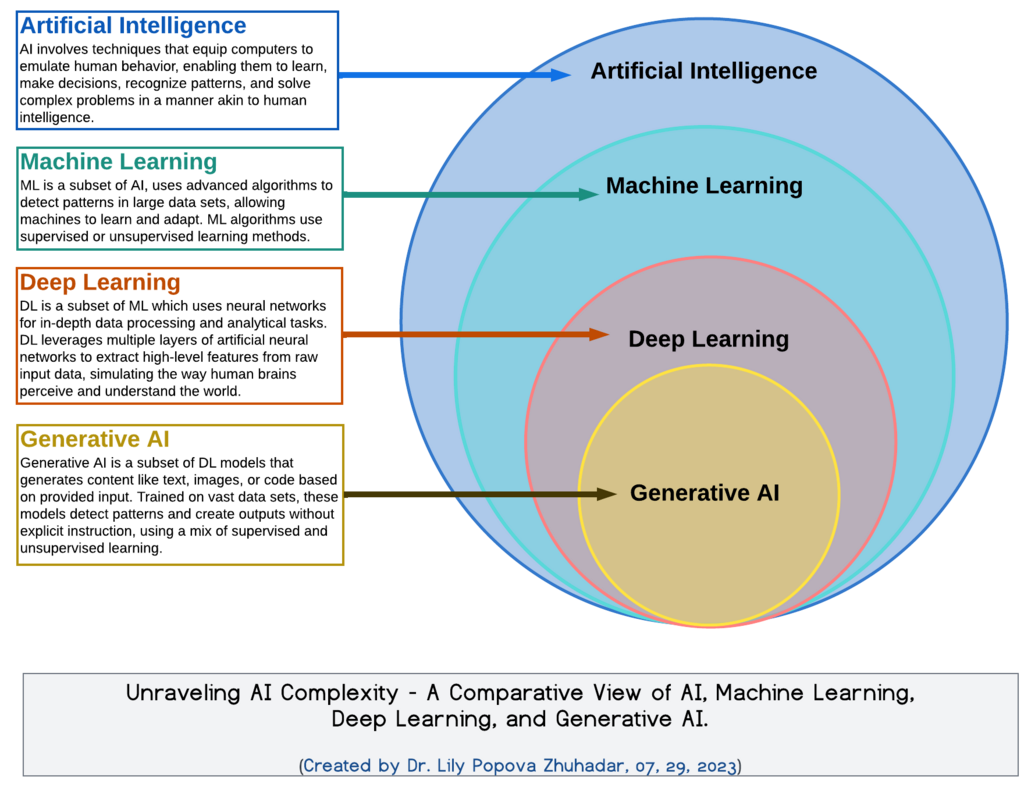
Machine learning (ML) is a type of AI where computers learn from data without being explicitly programmed. Imagine teaching a child to identify a dog. You wouldn't list rules like "has fur, four legs, and a tail." You'd simply show them pictures of dogs. Eventually, they learn to recognize a dog, even if it's a breed they've never seen before.
In radiology, an ML model is shown thousands or even millions of medical images that have already been labeled by expert radiologists. For instance, it might be fed CT scans labeled with "tumor" or "no tumor." The algorithm studies these examples, learning to associate specific visual patterns with each label.
Deep learning is a more advanced subset of machine learning. It uses complex structures called neural networks, which are loosely inspired by the connections in the human brain. These networks have many layers, allowing them to learn incredibly intricate patterns directly from the raw pixels of an image. A deep learning model might teach itself to first identify edges, then simple shapes, and finally complex anatomical structures, all without human guidance on which features to look for.
Smarter, Faster, and More Accurate
The integration of AI is already changing the workflow in radiology departments. One of the biggest impacts is on efficiency. AI algorithms can analyze hundreds of scans in minutes, flagging the most urgent cases for immediate review. This helps radiologists prioritize their work, ensuring that critically ill patients get attention faster.
Beyond speed, AI also enhances diagnostic accuracy. By catching subtle anomalies, it can help reduce errors and act as a safety net. This doesn't just lead to better diagnoses; it improves patient outcomes by enabling earlier and more precise treatment.
AI in radiology is rapidly transforming image interpretation, prioritisation, and workflow triage.
The Human Element
As with any powerful new technology, integrating AI into medical practice comes with challenges and ethical questions. Ensuring patient privacy is paramount, as AI models require vast amounts of data to be trained effectively. There's also the question of bias. If an AI is trained primarily on data from one demographic, it may be less accurate when analyzing images from other populations.
Accountability is another key concern. If an AI-assisted diagnosis is incorrect, who is responsible? These questions require careful consideration from developers, clinicians, and policymakers. The goal is to build systems that are not only intelligent but also transparent, fair, and trustworthy.
Ultimately, the final decision always rests with the human expert. AI is a tool to augment, not replace, the skill and judgment of the radiologist.
Let's review some key concepts before moving on.