Advanced AI in Educational Systems
Advanced AI Agents in Education
Learning Just for You
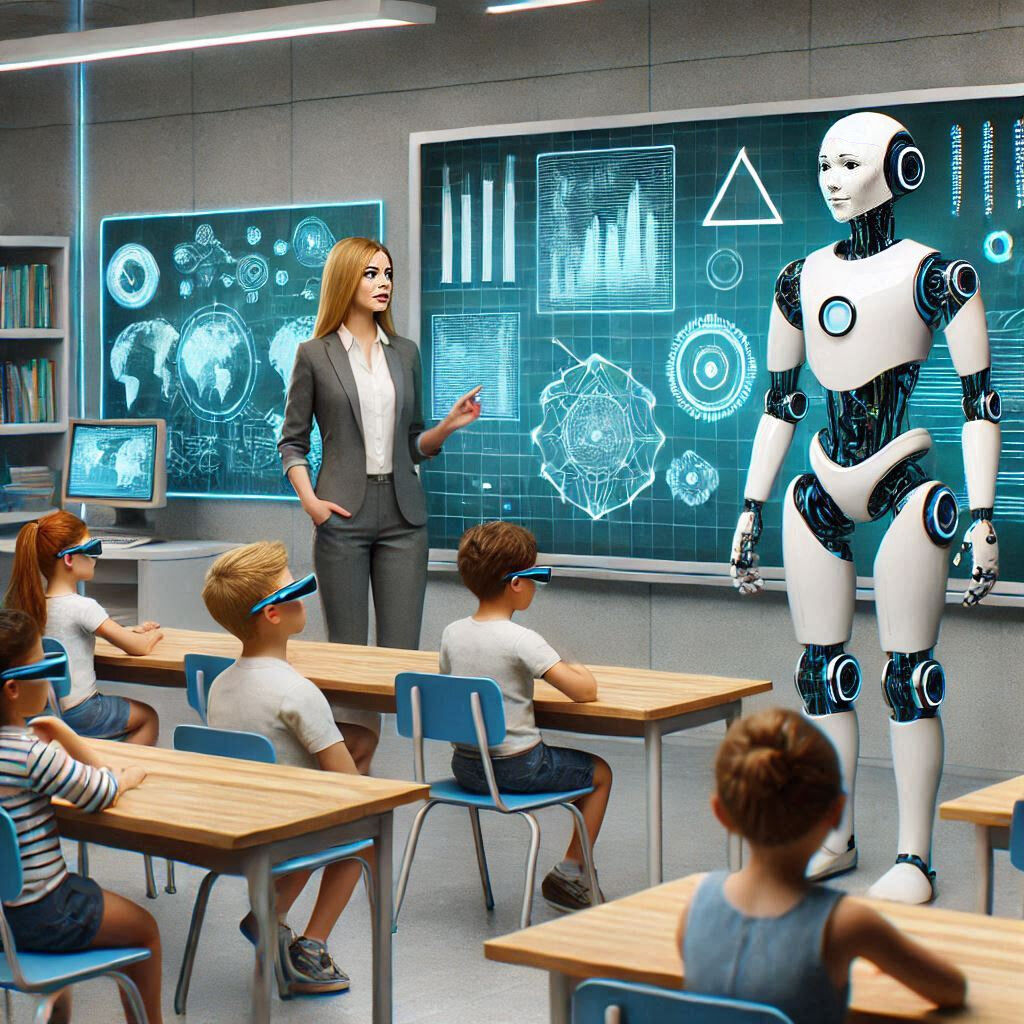
AI agents are transforming classrooms from a one-size-fits-all model into a personalized experience for every student. Think of an AI agent as a dedicated personal tutor that understands exactly how you learn. By analyzing your answers, pacing, and problem-solving patterns, it can pinpoint your strengths and weaknesses in real time.
Intelligent agents can personalize learning paths in education by leveraging data analytics, machine learning algorithms, and adaptive learning techniques to tailor educational content and experiences to individual learners' needs, preferences, and progress.
This leads to adaptive learning platforms. If you're struggling with a concept like algebraic equations, the AI won't just move on. Instead, it will offer you different resources—maybe a video tutorial, a set of practice problems, or an interactive simulation—until you master the topic. Conversely, if you're excelling, the agent can introduce more advanced material to keep you challenged and engaged. This dynamic adjustment ensures that learning is always efficient and effective.
Instant Feedback and Support
One of the biggest challenges in a traditional classroom is the delay between completing an assignment and receiving feedback. An AI agent eliminates this waiting period. It provides immediate, formative assessments that help students understand their mistakes right when they happen. This could be as simple as highlighting an error in a math problem or as complex as suggesting improvements to a paragraph in an essay.
Real-time feedback helps correct misconceptions before they become ingrained, turning every mistake into a learning opportunity.
This instant loop of action and feedback accelerates learning. Students can revise their work on the spot, reinforcing their understanding. These agents can also act as tireless coaches, offering hints and encouragement when a student is stuck, fostering a sense of confidence and independence.
Streamlining the Classroom
Beyond directly helping students, AI agents are powerful tools for automating the administrative tasks that consume so much of a teacher's time. This frees up educators to focus on what they do best: inspiring and mentoring their students.
| Administrative Task | How AI Agents Help |
|---|---|
| Grading | Automatically scores multiple-choice, fill-in-the-blank, and even some short-answer questions. |
| Attendance | Uses facial recognition or simple check-ins to track student presence. |
| Scheduling | Helps organize parent-teacher conferences and manage classroom timetables. |
| Communication | Can send automated reminders to parents about assignments or school events. |
By handling these routine duties, AI not only improves operational efficiency but also provides teachers with rich data about class performance. An agent can generate reports highlighting which topics the entire class is struggling with, allowing the teacher to adjust their lesson plans accordingly.
AI Agents in Action
Several platforms already demonstrate the power of AI agents in education.
Carnegie Learning's MATHia is an intelligent tutoring system that provides a one-on-one coaching experience for middle and high school math students. It adapts to each student's pace, providing step-by-step guidance and targeted feedback to build deep conceptual understanding.
Squirrel AI in China creates a personalized learning plan for each student by breaking down subjects into the smallest possible concepts. Its system diagnoses knowledge gaps with incredible precision and then delivers a custom curriculum to fill them, leading to significant improvements in test scores.
Ready to check your understanding?
What is the primary way AI agents transform the traditional classroom model?
According to the text, what is a key benefit of the immediate feedback provided by an AI agent?
AI agents are not here to replace teachers but to augment their abilities. By personalizing learning, providing instant support, and handling administrative work, they create a more dynamic, responsive, and efficient educational environment for everyone.