Advanced AI Image Generation Techniques
Introduction to AI Image Generation
From Words to Pictures
Turning a simple sentence into a detailed image sounds like something out of science fiction, but it's a reality today. Artificial intelligence can now take a textual description and generate a completely new picture, opening up a world of creative possibilities. This isn't magic; it's the result of decades of research and a massive leap in computing power.
A Quick History
The journey of AI image generation didn't happen overnight. Early attempts in the mid-2010s produced blurry, abstract, or distorted images that were interesting but far from realistic. These early models could grasp simple concepts but struggled with coherence and detail. Think of them as a child first learning to draw—they get the basic shapes right, but the execution is crude.
Over the years, the models grew much more sophisticated. They were trained on larger and more diverse sets of images, allowing them to understand not just objects, but also styles, textures, and the complex ways different elements interact in a scene. The progress has been exponential.
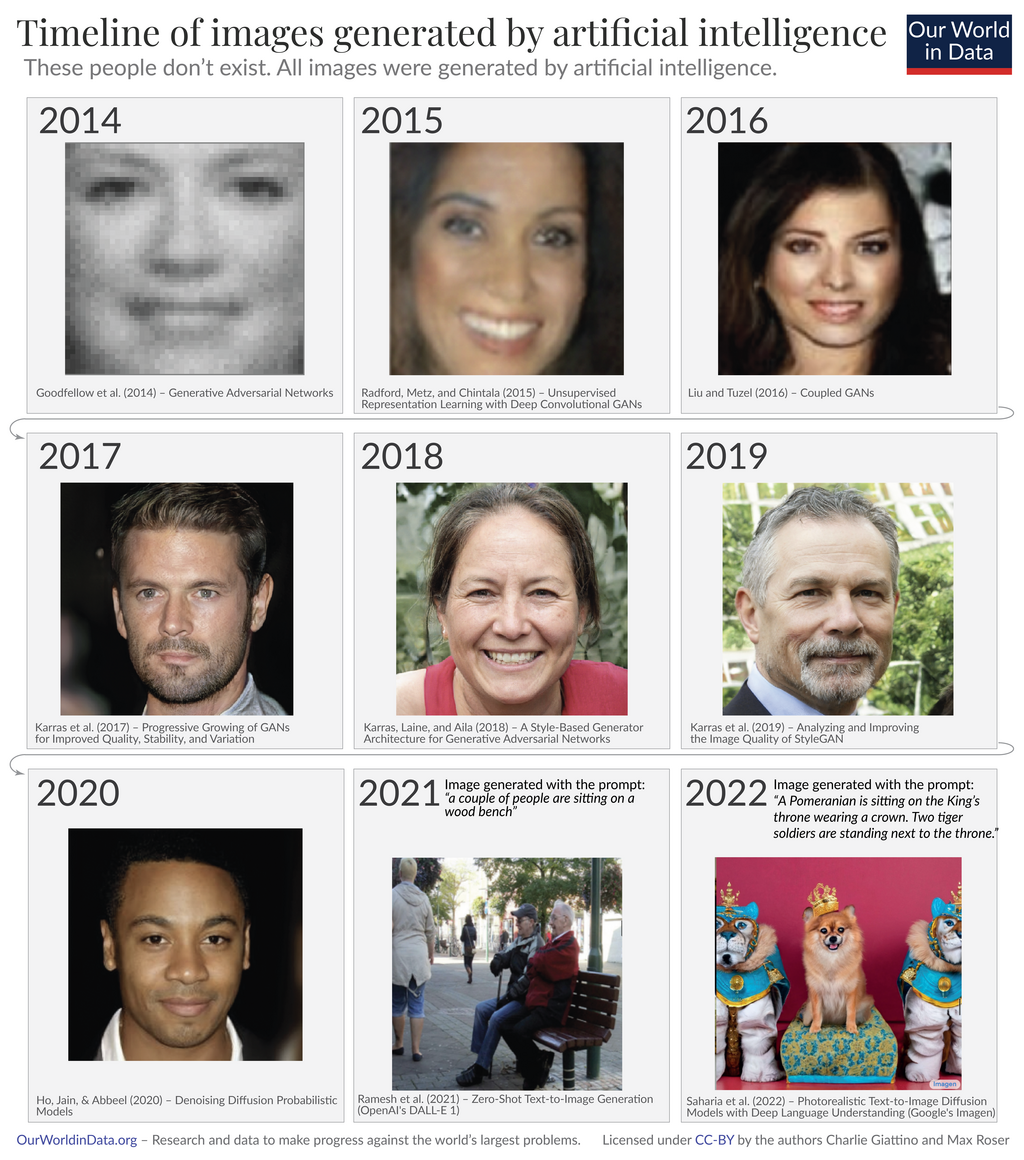
Within less than a decade, we went from grainy, black-and-white faces to photorealistic scenes that are often indistinguishable from actual photographs. So how does an AI actually accomplish this?
How AI Sees and Creates
At its core, a text-to-image model is a sophisticated pattern-matching system. It has been trained on a massive library of images, each paired with a text description. By analyzing this data, the AI learns the connections between words and visual concepts. It learns that the word "apple" is associated with round, red or green objects, and that "forest" is associated with trees, leaves, and a certain kind of lighting.
When you give the AI a prompt, it doesn't just look for images that match. It uses a process to build a new image from scratch. A common method involves starting with a field of random noise, like static on an old TV screen. The model then gradually refines this noise, step by step, shaping it to match the description in the prompt until a clear image emerges. It's like a sculptor starting with a block of marble and slowly chipping away everything that doesn't look like the intended statue.
The quality of the final image depends entirely on the AI's understanding of your request. This is where your role becomes crucial.
The Art of the Prompt
Communicating with an AI is a skill. The text you provide, called a prompt, is the only instruction the model has. A vague prompt will lead to a generic or unexpected image, while a detailed, well-crafted prompt can produce spectacular results. This practice of writing effective prompts is often called prompt engineering.
There's a certain skill to prompting generative AIs, and the more detailed and creative you can be with your inputs the better the outputs will be—whether you're trying to produce a digitally generated picture of an alien world or ideas for a short story.
Think of it as commissioning a piece of art. If you tell an artist, "Paint a dog," you'll get a dog. But if you say, "Paint a joyful golden retriever puppy, running through a field of wildflowers at sunset, in the style of impressionist painting," you provide enough detail for the artist to create something specific and beautiful.
A good prompt often includes several key elements:
| Element | Description | Example |
|---|---|---|
| Subject | The main focus of the image. | a robot |
| Action | What the subject is doing. | reading a book |
| Setting | The background or environment. | in a cozy library |
| Style | The artistic look. | digital art, photorealistic |
| Details | Adjectives, colors, lighting. | warm lighting, intricate details |
Combining these elements gives you a much stronger prompt: "A highly detailed photorealistic image of a friendly robot reading a book in a cozy library with warm lighting."
Experimenting with different words and combinations is the best way to learn what works. The more precise you are, the closer the AI can get to realizing your vision.
What is the common starting point for many text-to-image AI models when generating a new image from a prompt?
The practice of crafting detailed, effective text descriptions to guide an AI in creating an image is known as __________.
Understanding these fundamentals of history, process, and prompting is the first step toward creating your own unique images with AI.