Advanced AI for Project Management
AI in Project Management
A New Partner for Projects
Artificial intelligence in project management isn't about robots taking over. It’s about giving project managers a powerful assistant. Think of it as a seasoned expert who can analyze mountains of data in seconds, spot patterns a human might miss, and suggest optimal paths forward. This technology helps automate routine tasks, predict future hurdles, and provide deep insights, freeing up human managers to focus on strategy, communication, and leading their teams.
Project Management
noun
The process of leading the work of a team to achieve all project goals within the given constraints of time, budget, and scope.
The scope is broad. AI can touch every phase of a project, from initial planning and scheduling to monitoring progress and closing out tasks. It’s a tool for augmentation, not replacement, making the entire project lifecycle smarter and more efficient.
AI project management uses artificial intelligence to support planning, execution and monitoring of projects.
From Calculators to Co-pilots
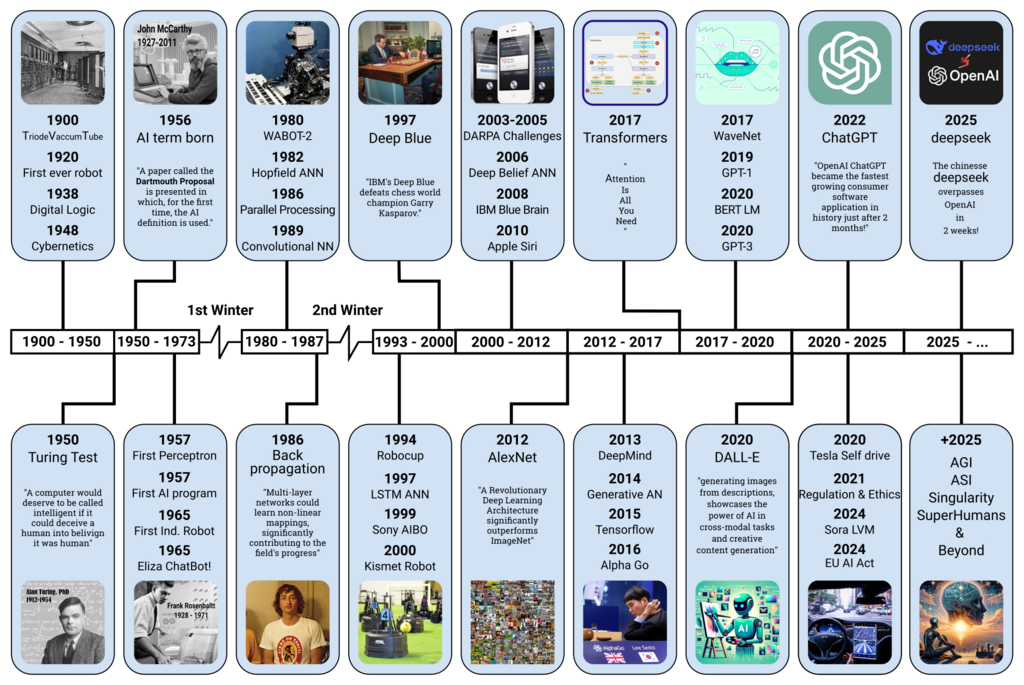
The idea of using technology in project management is not new. Early forms were essentially sophisticated calculators, helping with complex scheduling tasks like creating Gantt charts. In the late 20th century, rule-based "expert systems" tried to mimic the decision-making of a human expert, but they were rigid and couldn't learn.
The real shift came with machine learning. Suddenly, systems could analyze historical project data—timelines, budgets, team performance—and learn from it. They could identify what led to success or failure and apply those lessons to current projects. Today, AI has evolved into an intelligent co-pilot, actively guiding projects toward better outcomes.
How AI Changes the Game
AI's impact is felt across the core responsibilities of any project manager. It transforms key processes from being reactive to proactive.
Smarter Decision-Making Instead of relying solely on experience or intuition, managers can use AI-driven insights. By analyzing real-time data from schedules, communication logs, and progress reports, AI can highlight potential bottlenecks or budget overruns long before they become critical issues. This allows for data-backed decisions rather than educated guesses.
Proactive Risk Assessment Traditionally, risk management involves brainstorming potential problems. AI automates and deepens this process. It scans past projects to identify common pitfalls and uses predictive models to calculate the probability of similar risks occurring in the current project. A manager might get an alert saying, "Based on historical data, projects with this resource allocation are 70% likely to experience a two-week delay in phase three."
Integrating AI into risk management shifts project strategies from reactive to proactive, allowing managers to resolve potential issues before they affect project outcomes.
Optimized Resource Allocation Assigning the right people to the right tasks at the right time is a complex puzzle. AI excels at this kind of optimization. It can analyze team members' skills, availability, and past performance to suggest the ideal project team. It can also continuously adjust schedules and resource plans to ensure the project stays on the most efficient path, balancing workload and preventing burnout.
Ultimately, AI tools handle the tedious, data-heavy lifting. This frees up project managers to do what humans do best: lead people, manage stakeholders, and solve creative problems.
What is the primary role of AI in modern project management?
What technological shift was most critical for enabling modern AI to learn from historical project data and predict future outcomes?