Advanced Accounting and Management Integration
Strategic Management Accounting
Aligning Numbers with Ambition
A management accounting system, or MAS, does more than just track costs and revenue. When designed correctly, it becomes a compass for a company's strategy. Instead of a one-size-fits-all ledger, a strategic MAS is tailored to an organization's specific long-term goals. It answers the question: what numbers truly matter for us to win?
Think about two airlines. One competes on price, aiming to be the cheapest option. Its MAS would be obsessed with metrics like cost per seat-mile, fuel efficiency, and turnaround time at the gate. Every report would highlight opportunities to shave off expenses.
The other airline is a luxury carrier focused on customer experience. Its MAS would look very different. It would track metrics like customer lifetime value, revenue from premium services, and on-time performance. The system is designed not just to count money, but to measure how well the company is delivering on its unique strategic promise.
A strategic MAS translates a company's vision into quantifiable measures, making the strategy visible in the data.
From Data to Direction
With a strategically aligned MAS in place, the information it produces becomes the fuel for strategic planning. This data transforms high-level planning from a session of guesswork into a series of informed decisions. The MAS provides a clear, objective view of what's working and what isn't.
Imagine a software company considering an expansion into a new market. A well-designed MAS can provide detailed financial models projecting costs, potential pricing strategies, and forecasted return on investment. It can analyze the profitability of different customer segments in existing markets to predict which ones to target in the new region. This grounds the strategic conversation in reality, allowing leaders to evaluate opportunities with their eyes wide open.
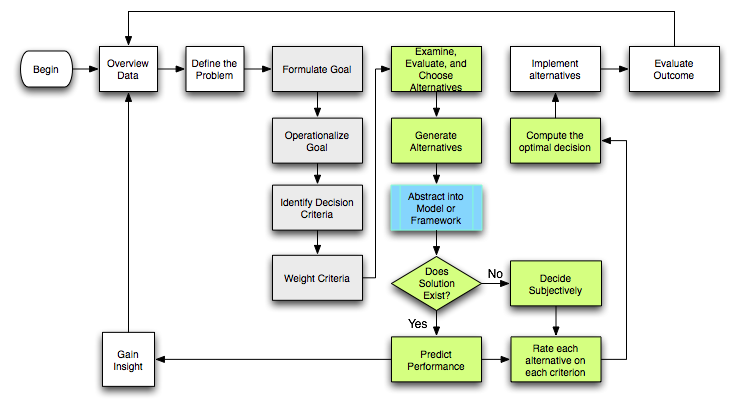
Furthermore, a strategic MAS is crucial for navigating change. When a company needs to pivot, the MAS provides the feedback loop. If a retailer is shifting from brick-and-mortar stores to e-commerce, the MAS can track the change in real time. It compares the costs and profits of online sales versus in-store sales, measures the effectiveness of digital marketing spend, and helps management allocate resources to accelerate the transition. Without this data, the company would be flying blind.
The Human Element
The most sophisticated MAS is only as good as the team that uses it. The composition of the top management team plays a huge role in how MAS information is interpreted and used. This is where heterogeneity, or diversity in experience and perspective, becomes a powerful asset.
A management team with diverse backgrounds—finance, marketing, operations, technology—will look at the same MAS report and see different things. The marketing expert might spot a trend in customer acquisition costs. The operations lead might see a supply chain inefficiency. The finance head might notice an impending cash flow issue. This variety of viewpoints leads to a richer, more holistic understanding of the business and more robust strategic decisions. The MAS provides the common language, but the team's diversity provides the wisdom.
Challenges in Practice
Implementing a truly strategic MAS isn't easy. A major hurdle is overcoming organizational inertia. Traditional accounting systems are deeply embedded in company culture, and changing them requires significant effort and buy-in from all levels of the organization. Many departments are comfortable with the status quo and may resist a new system that measures performance in unfamiliar ways.
Another challenge is ensuring the data remains relevant. Business environments change quickly. The metrics that were critical last year might be less important today. A strategic MAS must be dynamic, with processes in place to regularly review and update its key performance indicators to reflect new strategic priorities.
Despite these challenges, the payoff is immense. Companies that successfully align their management accounting with their strategy are better equipped to navigate uncertainty, allocate resources effectively, and ultimately achieve their long-term goals.
What is the primary purpose of a strategic Management Accounting System (MAS)?
A luxury hotel chain wants to align its MAS with its strategy of providing an unparalleled guest experience. Which metric would be most central to its MAS?