Advanced Academic Vocabulary for Essays
Analytical Verbs
Beyond 'Shows' and 'Says'
In academic writing, the verbs you choose are your tools. Common verbs like 'shows', 'says', or 'thinks' are like blunt instruments. They get the job done, but without precision. They tell the reader that an author is presenting information, but they don't specify how. Is the author making a tentative suggestion or a bold declaration? Are they clarifying a complex point or proving a new theory? Strong academic writing depends on using analytical verbs that answer these questions.
Think of it as a reporting job. When you cite another author's work, you're reporting on their intellectual contribution. A vague verb is like saying, "The witness said something." A precise, analytical verb is like saying, "The witness corroborated the alibi," or "The witness alleged a conspiracy." The first is weak; the others paint a clear picture of the evidence's role and strength. Choosing the right verb signals to your reader how you interpret the source material and how it fits into your own argument.
The Spectrum of Certainty
Not all evidence is equal, and your verbs should reflect that. Analytical verbs exist on a spectrum, from those that signal a cautious suggestion to those that declare a proven fact. Using the right verb is crucial for accurately representing an author's claims and managing the strength of your own argument. When an author is exploring a new idea without conclusive data, they might use verbs like 'suggests', 'proposes', or ''. These words indicate a theoretical or preliminary claim.
On the other end of the spectrum are verbs for claims backed by strong evidence. When an author presents empirical data from an experiment, you would use verbs like 'demonstrates', 'establishes', or 'confirms'. These verbs signal a high degree of certainty. Choosing a verb from the wrong end of the spectrum can misrepresent the source's findings. Saying an author 'proves' something when they only 'suggest' it is a serious academic misstep.
| Category | Verbs | Example Usage |
|---|---|---|
| Speculating / Proposing | posits, postulates, hypothesises, proposes, theorises | "The author posits that social media may be a factor." |
| Suggesting / Implying | suggests, implies, indicates, intimates, connotes | "The data suggests a correlation between the variables." |
| Arguing / Asserting | argues, asserts, contends, claims, maintains | "Smith contends that the previous theory is incomplete." |
| Explaining / Clarifying | explains, clarifies, defines, illuminates, elucidates | "Jones elucidates the complex relationship between the two systems." |
| Proving / Demonstrating | proves, demonstrates, confirms, establishes, substantiates, verifies | "The experiment demonstrates the principle of quantum entanglement." |
Verbs for Analysis and Synthesis
Academic writing isn't just a list of what others have said. It's about putting sources into conversation with one another. You need verbs that describe how an author analyses an idea or synthesises information from different places. When an author breaks down a complex topic into its components, they 'analyse', 'dissect', or 'examine' it. When they clarify a difficult concept, they might '' it.
When an author combines ideas from multiple sources to create a new understanding, they 'synthesise', 'integrate', or 'reconcile'. If they are challenging an existing idea, they might 'critique', 'dispute', 'refute', or 'challenge' it. These verbs are dynamic. They describe the intellectual moves an author is making, helping you build a narrative about the scholarly conversation around your topic.
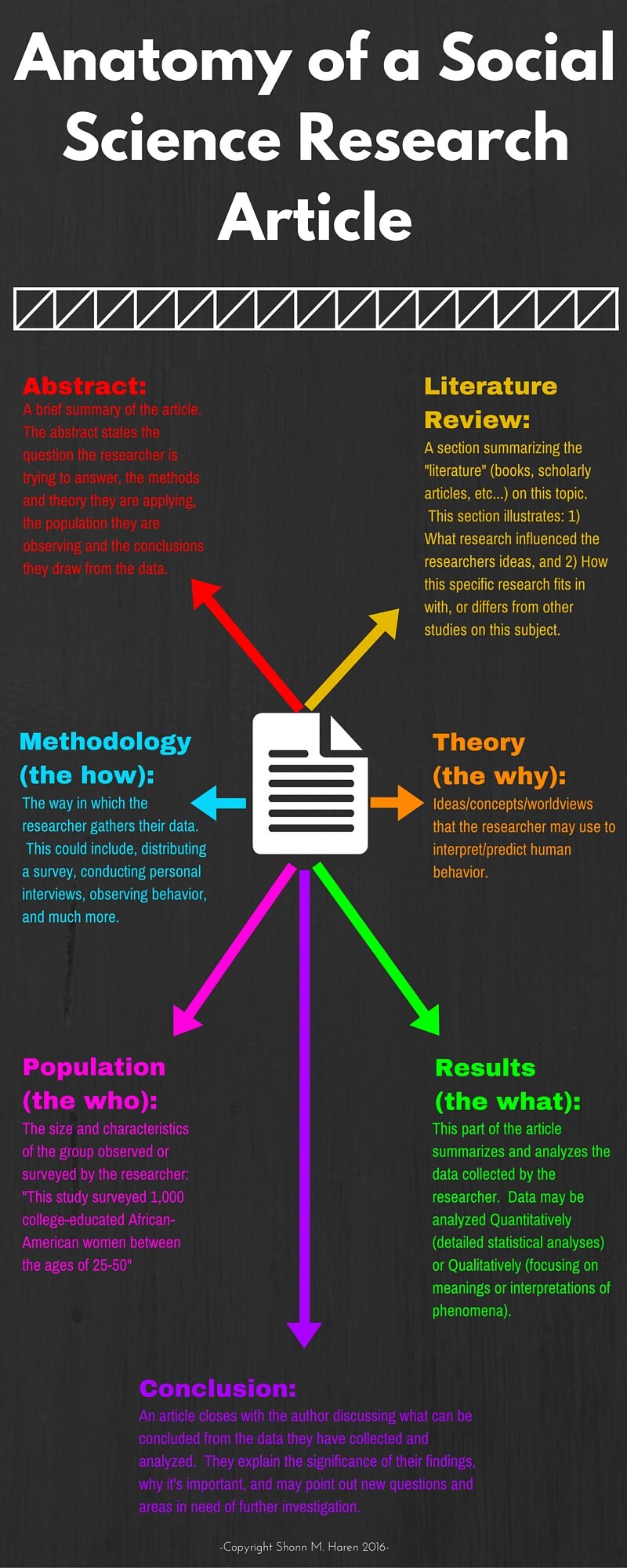
In a research article, for instance, the literature review might use verbs like 'argues' and 'suggests' to describe the existing scholarship. The methodology section, however, wouldn't use these verbs at all. The results section will use verbs of demonstration like 'reveals' or 'shows', while the discussion section will use verbs of interpretation and synthesis, such as 'interprets', 'implies', and 'integrates', to connect the findings back to the broader field.
Now let's test your understanding of how to use these powerful verbs.
Why is it important to use analytical verbs like 'interrogates' or 'posits' instead of a common verb like 'says' in academic writing?
A scientist publishes a paper based on a small, preliminary study with inconclusive data. They are offering a new idea for future research. Which verb would most accurately describe their claim?
Choosing a precise analytical verb isn't just about sounding academic. It's about thinking critically about the evidence and communicating that analysis with clarity and accuracy.