Advanced ABO Blood Group System Applications
Molecular Basis of ABO Antigens
The Gene Behind Your Blood Type
Your ABO blood type isn't just a label; it's the result of a specific gene at work. This gene, officially called the ABO glycosyltransferase gene, resides at a specific address on one of your chromosomes: position q34 on chromosome 9.
Think of your DNA as a vast library of instruction manuals. Chromosome 9 is one of those manuals, and the ABO gene is a single, crucial recipe within it. This one gene holds the instructions for building the enzymes that determine whether your red blood cells wear 'A' antigens, 'B' antigens, both, or neither.
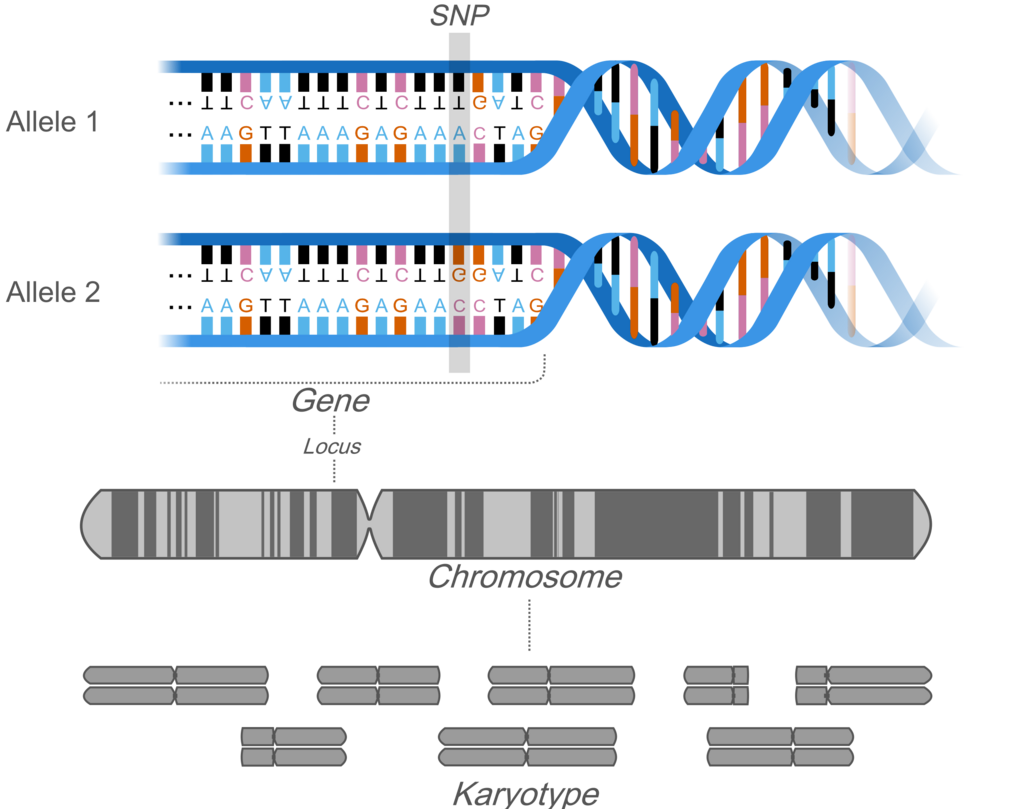
There are three main versions, or alleles, of this gene: , , and . The and alleles provide instructions for making functional enzymes, while the allele (often called O) contains instructions for an enzyme that doesn't work. The combination of alleles you inherit from your parents dictates which enzymes your body produces.
Molecular Sculptors
The ABO gene's primary job is to provide the blueprint for an enzyme called a glycosyltransferase. The name sounds complex, but its function is straightforward. 'Glyco' refers to sugar, and 'transferase' means it transfers something. So, a glycosyltransferase is an enzyme that transfers a sugar molecule onto another molecule.
In the ABO system, all red blood cells start with a basic precursor molecule on their surface called the H antigen. You can think of the H antigen as a plain ceramic base. The glycosyltransferase enzymes are like sculptors, each with a specific tool to add a final piece to this base.
The enzyme encoded by the allele adds one type of sugar. The enzyme from the allele adds a different type of sugar. The (O) allele produces no functional enzyme, leaving the base untouched.
Building the Antigens
The specific sugar added by the glycosyltransferase determines the final antigen. The structural differences are subtle but significant.
The enzyme made by the allele adds a sugar called N-acetylgalactosamine to the H antigen, creating the A antigen. The enzyme from the allele adds a different sugar, D-galactose, creating the B antigen.
If you have the allele, your body produces a non-functional enzyme. The sculptor has no tool. As a result, the H antigen on your red blood cells is left unmodified. This is what we call blood type O.
For those with type AB blood, their cells are a mix. They inherit both the and alleles. Their bodies produce both types of enzymes, so some H antigens are converted to A antigens, while others are converted to B antigens. Their red blood cells are decorated with both.
This molecular foundation is why blood types must be carefully matched for transfusions. The presence or absence of these tiny sugar molecules on the surface of our cells is a matter of life and death.
The gene responsible for the ABO blood group system is located on which chromosome?
What is the primary function of the glycosyltransferase enzyme in the ABO blood system?