Adult Orthodontics for Facial Orthopedics and Sleep Apnea
Adult Orthodontic Challenges
Grown-Up Smiles, Different Rules
Straightening teeth isn't just for teenagers. More and more adults are choosing orthodontic treatment, but the process is different once your bones have stopped growing. The main reason comes down to one word: plasticity. A child's or adolescent's jaw is still developing. It's relatively soft and malleable, making it responsive to orthodontic appliances that guide growth and correct alignment issues. Think of it like working with soft clay.
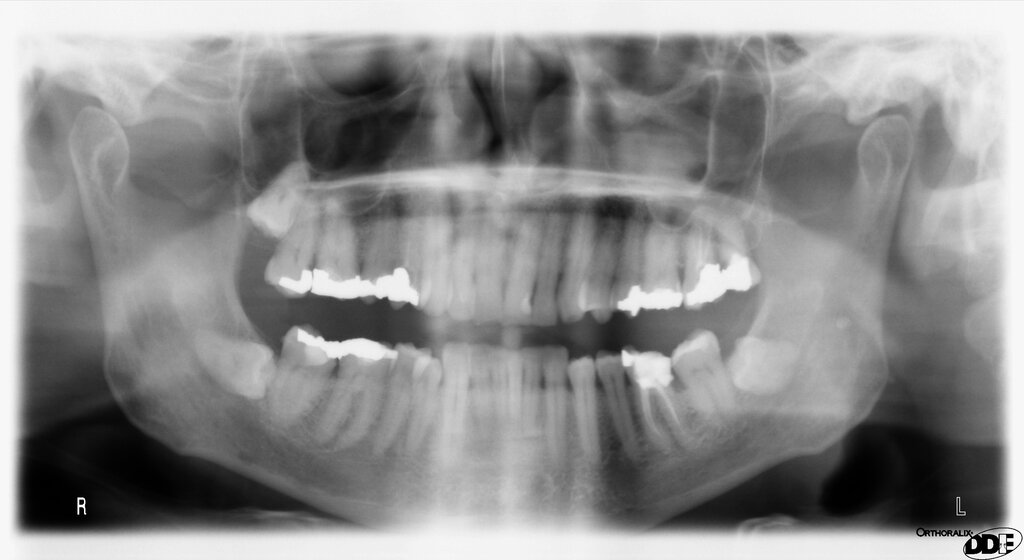
In adults, the jawbone is fully formed, dense, and rigid. This mature bone structure has significantly less plasticity. The growth plates have fused, and the skeleton is set. This means orthodontists can't guide jaw growth to correct underlying skeletal problems. Instead, they must work within the existing framework. Moving teeth is still possible because the bone around them can remodel, but changing the size or position of the jaws themselves is a different story.
This fundamental difference has major implications for how treatment is planned and what can be achieved with braces or aligners alone.
The Treatment Puzzle
Because an adult's jaw is fixed, the goals of orthodontic treatment may need to be adjusted. While tooth alignment can be perfected, correcting a significant underlying skeletal discrepancy—like a severe overbite or underbite—often requires a different approach.
For a teenager with the same issue, an orthodontist might use appliances like headgear or rubber bands to encourage or restrain jaw growth, correcting the problem over time. For an adult, this isn't an option. The treatment might focus on camouflage, which means moving the teeth to compensate for the jaw discrepancy and improve the bite and appearance as much as possible without surgery.
When camouflage isn't enough to meet the patient's functional or aesthetic goals, corrective jaw surgery, also known as orthognathic surgery, is often the recommended path. This involves a surgeon repositioning the jawbones, with orthodontics used before and after to ensure the teeth fit together perfectly in their new positions. Adult orthodontics, therefore, frequently involves a team approach, with collaboration between an orthodontist, a general dentist, and potentially other specialists like periodontists or oral surgeons.
Common Adult Concerns
Adults often seek orthodontic treatment for issues they've dealt with for years, or for changes that have occurred over time. A common problem is malocclusion, or a bad bite. This can manifest as crooked or crowded teeth, which can be difficult to clean and may contribute to tooth decay or gum disease. Another issue is teeth that have shifted due to age, tooth loss, or lack of retainer wear after previous treatment.
Skeletal discrepancies are also a frequent concern. This refers to a mismatch in the size or position of the upper and lower jaws. While some adults are bothered by the cosmetic appearance of a weak chin or protruding lower jaw, these issues can also cause functional problems like difficulty chewing, speech impediments, or uneven tooth wear.
Unlike younger patients, adults often have other dental conditions that need to be managed. This can include worn or missing teeth, gum recession, or existing dental work like crowns, bridges, and implants. These factors add layers of complexity to the treatment plan, as the orthodontist must work around them to achieve a stable, healthy, and beautiful result.
Let's review some of the key ideas we've covered.
Ready to check your understanding?
What is the primary reason orthodontic treatment is fundamentally different for adults compared to adolescents?
When an adult has a significant skeletal discrepancy (e.g., a severe underbite), and moving the teeth alone isn't enough to fix the issue, what is the most likely recommended treatment?
Understanding these unique challenges allows orthodontists and patients to set realistic goals and create effective treatment plans for achieving a healthy smile at any age.